Understanding Ultrafiltration Membranes: Benefits, Applications, and Technology
With the ever-growing water demand globally, industries and municipalities are resorting to modern filtration systems to guarantee…
Understanding Ultrafiltration Membranes: Benefits, Applications, and Technology
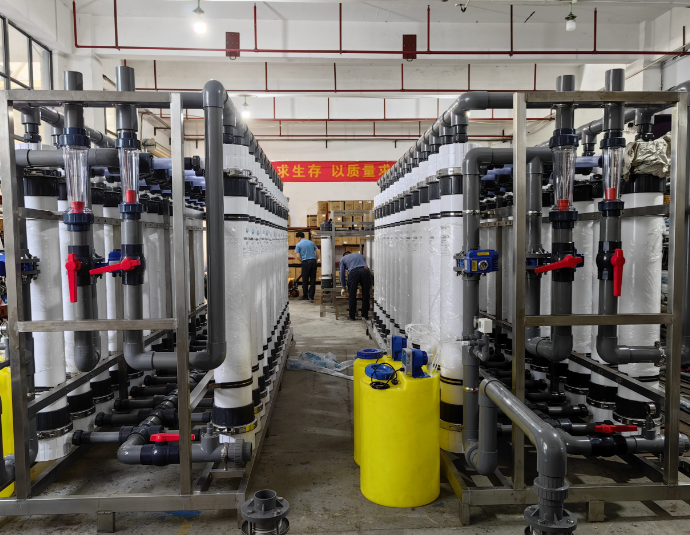
pvdf ultrafiltration membrane
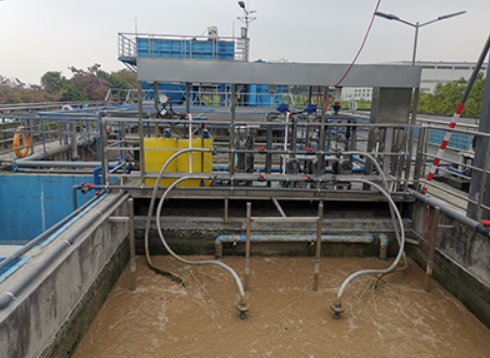
With the ever-growing water demand globally, industries and municipalities are resorting to modern filtration systems to guarantee themselves a seamless supply of clean and safe water. The PVDF ultrafiltration membrane has become one of the most efficient and reliable technologies of such solutions. This type of membrane is constructed using strong polymer materials and designed to achieve high filtration precision, thus making this type of membrane an inseparable part of water purification industries worldwide. In a wider perspective, the technology of membrane is in itself a reliable filter against suspended solids, bacteria and viruses, and thus an indispensable aspect of the contemporary water treatment procedures.
What Is an Ultrafiltration Membrane?
An ultrafiltration membrane is a semi-permeable barrier that is applied in the separation of contaminants and water by physical filtration as opposed to chemical treatment. These membranes are small with pore sizes of about 0.01–0.1microns and hence can block particles like microorganisms, colloids, and some proteins but allow water and small dissolved molecules to get through. Due to its accuracy, ultrafiltration is commonly applied either as a purification step in its own right or as a pre-treatment step to other methods such as reverse osmosis. The uniqueness of this process is that it is so efficient, and minimal chemicals are used; hence, it is environmentally friendly and can be used in long-term sustainability goals.
Why PVDF Is the Preferred Membrane Material
The **PVDF Ultrafiltration membrane** is unique with its high mechanical strength, thermal stability, and fouling resistance. PVDF or polyvinylidene fluoride is a high-performance polymer with high flexibility and chemical resistance, which is why it suits tough water treatment conditions. As compared to other membrane materials, PVDF does not degenerate under harsh cleaning solutions, broad pH limits and high temperatures. This is very durable and hence will have a longer life and fewer operating expenses. The reliance on PVDF materials is particularly useful in large-scale implementation, including industrial wastewater treatment, municipal water supply, and desalination pretreatment.
Advantages of PVDF Ultrafiltration Membranes
The high permeability of the PVDF ultrafiltration membrane is one of the most significant benefits of this process because the membrane can filter a great amount of water in a relatively short amount of time without any loss of quality. This renders it economical for plants requiring continuous and high-flow filtration. The other major advantage is that it is resistant to fouling, which is a major problem whereby contaminants clog the membrane and diminish its performance. Surface properties of PVDF minimize this risk, and cleaning is easier and does not decrease the performance. Second, it has high tensile strength, and therefore, the membrane can sustain backwashing and pressurized operations. PVDF gives a good balance of performance, durability, and maintenance in general.
Applications Across Industries
The membrane finds applications in numerous areas due to its high level of reliability. It acts as a water barrier in the production of drinking water, which gives a safer and more predictable water yield. At the wastewater treatment plant, ultrafiltration serves to recycle water that can be used in agricultural activities, industrial uses, and even horticultural activities. These membranes are used in the clarification of juices, purification of milk, and elimination of impurities in the food and beverage industries. Ultrafiltration is also applicable in the pharmaceutical and biotechnology industry in the separation and sterilization of protein products.
Role in Sustainable Water Solutions
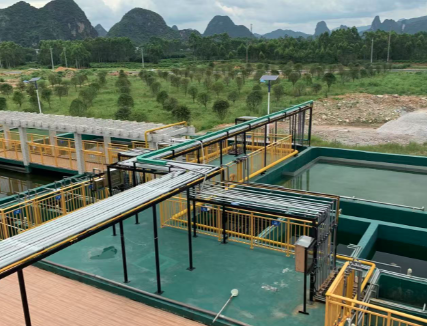
Sustainable filtration technology becomes more and more significant, and the PVDF membrane is one of the elements of the environmentally-friendly water systems. Since these membranes need minimal chemicals and energy, they contribute to environmental reduction. They also encourage the reuse and recycling of water, reducing reliance on freshwater sources and minimizing the general waste of water. Ultrafiltration facilitates circular water, in which industrial or municipal wastewater is treated and reused, to assist communities in complying with environmental regulations and minimise operational expenses.
Conclusion
Both the PVDF ultrafiltration membrane and the overall membrane technology offer reliable, high-performance results in the context of the modern world, where the issues of water scarcity and quality are increasing problems. They are useful in industries due to their high capability to eliminate contaminants, enable mass reuse of water and long-term stability. With the ongoing innovation, PVDF membranes will still be at the center of sustainable water purification plans, and reputable firms such as HINADA are aiding the development of this crucial technology.
메타데이터
- post_id
- d6bdbd2bf957
- slug
- understanding-ultrafiltration-membranes-benefits-applications-and-technology-d6bdbd2bf957
- url
- https://medium.com/@hinada/understanding-ultrafiltration-membranes-benefits-applications-and-technology-d6bdbd2bf957
- canonical_url
- https://medium.com/@hinada/understanding-ultrafiltration-membranes-benefits-applications-and-technology-d6bdbd2bf957
- author_url
- https://medium.com/@hinada
- status
- ok
- fetched_at
- 2026-06-23 03:48:11