The Pen and the Paris Salon: Kitty Cannell’s Rise as an Empowered International Journalist
PART II — A Medium Three‑Part Series on the Life of Kathleen “Kitty” Eaton Cannell

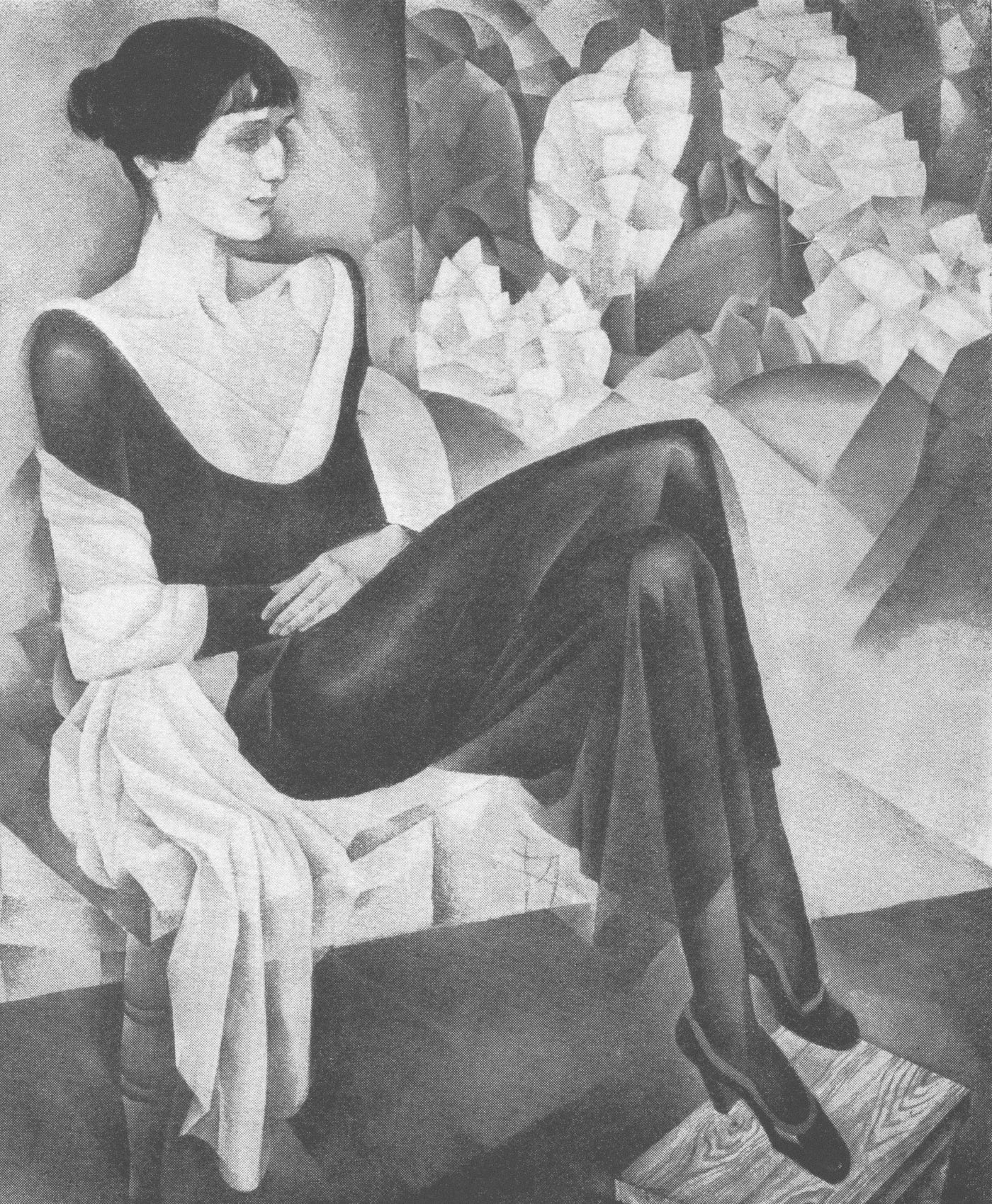
Photo Credit: Europeana on Unsplash
The Pen and the Paris Salon: Kitty Cannell’s Rise as an Empowered International Journalist
PART II — A Medium Three‑Part Series on the Life of Kathleen “Kitty” Eaton Cannell
When Kathleen “Kitty” Eaton Cannell arrived in Paris as a young woman pursuing music and dance, she stepped into a city engineered for reinvention. The boulevards glowed with gaslight; the avant‑garde crowded cafés in Montparnasse; theaters staged strange new works; artists argued about the future. For a woman raised between borders — Canada and the United States, art and criticism — Paris felt like the first place she didn’t need to apologize for wanting.
By the mid‑1920s, she had transformed from student to insider. No longer simply witnessing modernism, she was living inside it. And though she had married a poet, she was not known as someone’s wife. She was known as Kitty Cannell — sharp‑witted, stylish, intelligent, and entirely self‑directed.
This is the chapter where she became a journalist.
Marriage as Catalyst, Not Constraint
Kitty married Humberston Skipworth “Skip” Cannell in Paris in 1913. Skip — poet, experimenter, and rumored sometime‑spy — moved in literary circles where poetry and wartime intelligence often overlapped. Their marriage was unconventional: not static, but two intersecting orbits, each influencing but not eclipsing the other.
They frequented salons, cafés, and studios filled with dancers, writers, painters, and expatriate thinkers. It was a world where new art demanded new lives. Few women could navigate that world with the autonomy Kitty claimed.
And that freedom wasn’t given. It was earned — quietly, insistently, defiantly.
By the spring of 1921, as Paris shifted from war’s ruins to creative experimentation, Kitty divorced Skip. Their union had opened doors; the parting opened more.
That same year, Alfred Kreymborg introduced her to Harold Loeb, a writer and patron in the American expatriate community. They became lovers, moving through a social orbit that included Ernest Hemingway and Hadley.
Hemingway claimed he disliked Kitty, and she was not fond of him either. Yet he seems to have borrowed from her life when creating Frances Clyne in The Sun Also Rises and Helen Ferguson in A Farewell to Arms. Kitty denied these portrayals, but her letters to Loeb reveal parallels — proof of a long‑standing pattern in which powerful male modernists flattened complicated women into cautionary fictions.
Kitty, meanwhile, kept writing.
A Woman Who Stood Out in the Paris Streets
Even within a community known for characters, Kitty stood apart. Poet William Carlos Williams recalled her vividly:
“Kitty Cannell in her squirrel coat and yellow skull cap, which made the French, man and woman, turn in the street and stare seeing a woman, approaching six feet, so accoutered.”
The image is perfect: tall, striking, stylish in a way that wasn’t decoration but punctuation. Kitty knew how to enter a room — and more importantly, why.
That presence helped her become a working writer in a fiercely competitive environment.
Finding Her Voice: Paris as Training Ground
Before she wrote for major newspapers, Kitty wrote letters, critiques, and observations that circulated among friends and editors. Her prose was perceptive, unsentimental, and unusually modern.
And Paris was changing.
- World War I scattered communities and redistributed roles.
- Women stepped into public life to fill the void.
- Modernism surged, making space for experimental minds and unusual careers.
Kitty was uniquely positioned to step into this world. She understood the aesthetics of performance, the subtleties of European culture, and the deep entanglement of art, politics, and identity.
On the streets of Paris, she didn’t just see fashion. She saw social change wearing a new silhouette.
Dual Footing in U.S. Media: The New Yorker and The New York Times
In the late 1920s, work followed reputation. Kitty became a respected voice in American media, especially for readers seeking a window into Paris.
She eventually held two career‑defining roles:
Paris Fashion Correspondent for The New Yorker
She translated the mood of the city into the textures of fabric and form. Her fashion writing was cultural analysis — how aesthetics reflect power, gender, and the psychology of a generation.
European Fashion Writer for The New York Times (1931–1941)
This was more than a fashion beat. For a decade, Kitty chronicled a continent’s shifting reality:
- Depression‑era austerity
- Prewar glamour as escapism
- Rising authoritarianism reflected in uniformity of dress
- Wartime practicality shaping silhouettes
To call her a “fashion reporter” understates the work. Kitty used fashion as a sociological instrument. A hemline could be history. A uniform could be ideology. A fabric could be resistance.
Her authority was rare for a woman reporting abroad without a powerful husband shielding her. But she didn’t need protection. She needed a pen.
An Expatriate Among Expatriates — — But Never Overshadowed
Paris in the 1920s and ’30s teemed with American writers — Hemingway, Stein, Fitzgerald, Barnes, and Loeb among them. Many women in these circles lived at the edges of other people’s stories.
Not Kitty.
She was respected for:
- her intellect
- her discipline
- her social insight
- her sharp, unillusioned perception
She crossed paths with the artists who defined modernism but did not ride in anyone’s wake. Her journalism created a public identity that stood independent of her lovers, husbands, and friends.
She lived fully in the world she wrote about — without losing herself inside it.
Personal Reinvention, Professional Continuity
After divorcing Skip in 1921, Kitty later married French poet Roger Vitrac, a surrealist known for absurdist theatre and boundary‑pushing experimentation. Vitrac fit neatly into the ecosystem Kitty thrived in: creative, provocative, international.
Yet throughout the upheavals of her personal life, her work never wavered. The dispatches continued. The bylines accumulated. Her voice sharpened with experience.
A Woman Alone Abroad — — And Thriving
Working as a female foreign correspondent in the early 20th century was no small feat. The field favored men, especially those covering politics, economics, or war. Many editors relegated women to the “women’s pages.”
But Kitty possessed qualities that overrode those limitations:
1. Cosmopolitan fluency
Childhood split between Canada and the United States. Adulthood in Paris. Studies at the Sorbonne. She understood cultural nuance instinctively.
2. Social intelligence
She could read a room as quickly as she could read a text — critical in the salons and press conferences of Paris.
3. Professional adaptability
Though fashion was her specialty, she kept one eye on theatre, literature, geopolitics, and the psychology of crowds.
4. Personal resilience
A childhood marked by instability became the foundation for a life of fearless mobility.
Through her work, she projected an image of a woman who was unmistakably self‑directed. She did not soften her intellect. She did not shrink to fit expectations.
For her era, that was revolutionary.
Staying in Paris as the World Darkened
By the late 1930s, Europe pulsed with anxiety. Fascism rose; militarism marched; borders trembled. Many American expatriates fled.
Kitty stayed.
Paris was not just her backdrop — it was her chosen home. She continued writing even as tension thickened the air and the city’s rhythms slowed to a fearful hum.
When German forces occupied Paris in 1940, many correspondents and creatives left for safety.
Kitty Cannell did not.
She remained — alone, female, and working. She continued attending press conferences. She continued observing. She continued writing, learning to navigate the unspoken boundaries of wartime reporting.
Her life had prepared her for transition. Another transformation was coming.
*Next in the series: *PART III — “War, Words, and the World She Left Behind: Kitty Cannell’s Final Years and Enduring Legacy.”
메타데이터
- post_id
- d6dfa6eff6de
- slug
- the-pen-and-the-paris-salon-kitty-cannells-rise-as-an-empowered-international-journalist-d6dfa6eff6de
- url
- https://medium.com/@lacroixj471/the-pen-and-the-paris-salon-kitty-cannells-rise-as-an-empowered-international-journalist-d6dfa6eff6de
- canonical_url
- https://medium.com/@lacroixj471/the-pen-and-the-paris-salon-kitty-cannells-rise-as-an-empowered-international-journalist-d6dfa6eff6de
- author_url
- https://medium.com/@lacroixj471
- status
- ok
- fetched_at
- 2026-08-12 22:13:09