Stop a Global Invasive Industry
Save your car, your air and your water from animal agribusiness.
Stop a Global Invasive Industry
Save your car, your air and your water from animal agribusiness.

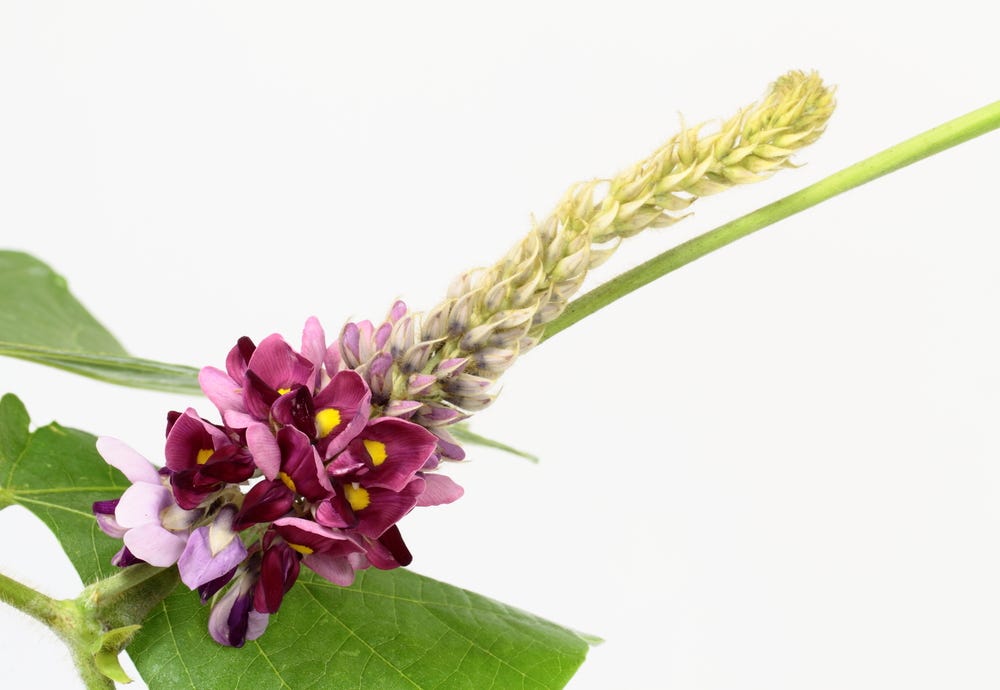
Original art by Deidra Smith on ArtMajeur
If you drive…
Antibiotic-resistant bacteria strains are on roads and can get into your car.
Researchers at Johns Hopkins Bloomberg School of Public Health collected bacteria inside their cars after following two to three car lengths behind poultry trucks with windows rolled down.
In just 17 miles, they already had bacteria in the air and on surfaces inside their cars. Bacteria were also on a soda can inside the car and on the outside door handle.
Bacteria strains collected were resistant to three antimicrobial drugs widely used to treat people.
The U.S. Food and Drug Administration lets these drugs be added to animal feed, which creates breeding grounds that develop antibiotic-resistant strains.
Each year, billions of animals are moved across countries suffering for several hours or days in transport trucks that spread antibiotic-resistant bacteria on the roads.
Stress from overcrowding with no food or water in life-threatening temperatures makes animals spread more contagious diseases.
Nonhumans share more than 60% of human infectious diseases, diseases leading to more than a billion human illnesses and millions of deaths globally each year.
It is estimated that 75% of emerging infectious diseases are naturally spread between vertebrate nonhuman animals and humans.
Animal agribusiness would not be profitable if it were held accountable for destroying peoples’ lives.
Animal ag can use low doses of antibiotics to keep animals alive in filthy, inhumane factories that are breeding grounds for antibiotic-resistant bacteria because it’s the public who pays medical and funeral costs when antibiotics stop working for people.
The Centers for Disease Control reports there are more than 2.8 million antibiotic-resistant infections in the United States each year. This causes the death of 1 in every 80 people with these infections.
USA industrial animal ag buys 66% of the antibiotics that the World Health Organization classifies as important in human medicine. The Food and Drug Administration reported a 16% increase in antibiotic purchases for animal feed in 2024.
The United Nations Food and Agriculture Organization fears catastrophic implications for antibiotic-resistant infections and projects animal ag will increase feeding animals antibiotics roughly 30% by 2040.
Global projections warn there could be 10 million deaths globally from antibiotic-resistant infections by 2050.
These deaths never need to happen.
Physicians Committee for Responsible Medicine, with 17,000 doctors as members, offers Universal Meals. The recipes are free online.
These recipes are free of meat, eggs, fish, shellfish, and milk. They’re also free of gluten-containing grains (wheat, barley, rye, triticale, and contaminated grains). Plus, they’re free of peanuts, tree nuts, soy, and sesame. And, they’re free of alcohol.
Recipes have been created by the Culinary Institute of America, Spork Foods, Inc., DC Vegan Catering, and Chef Dustin Harder of The Vegan Roadie.
If you breathe…
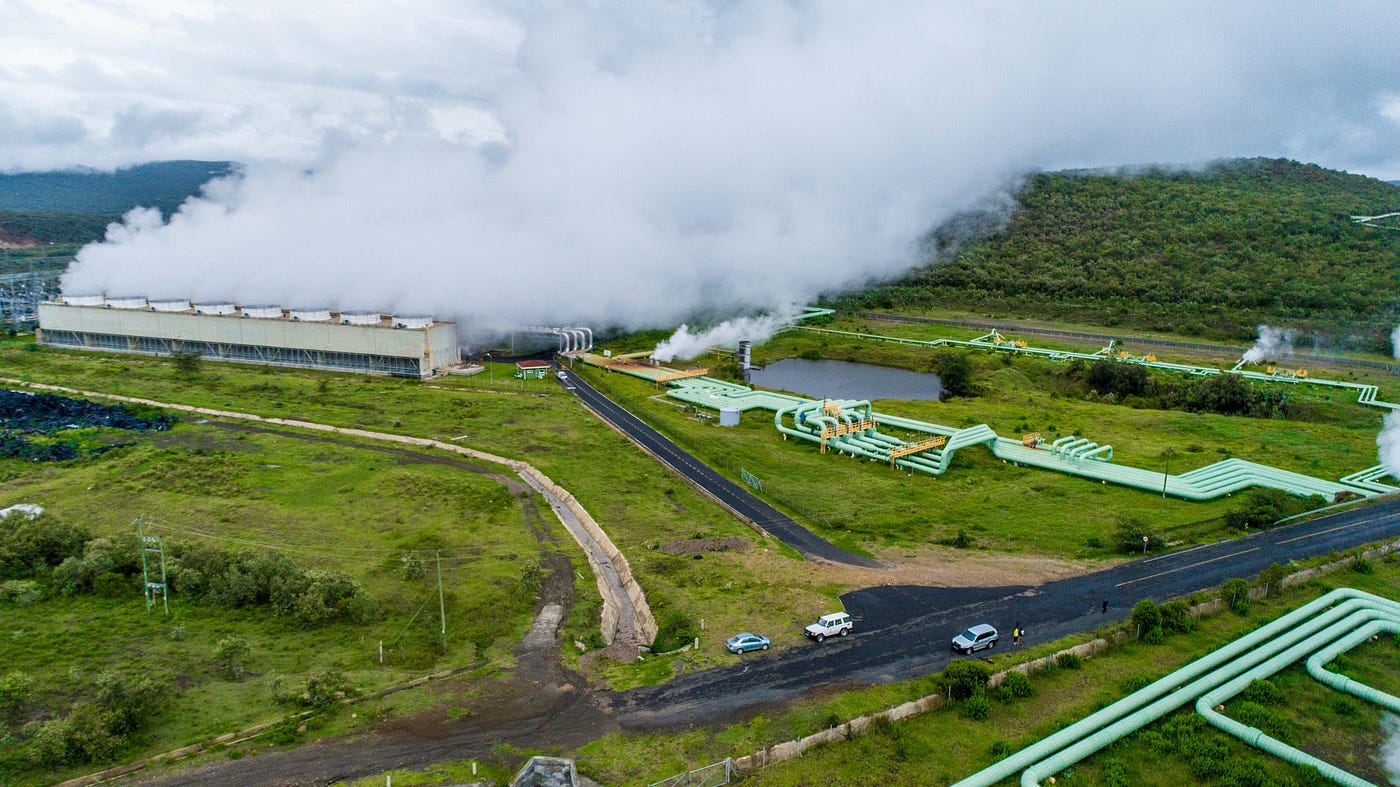
The Environmental Protection Agency estimates there are some 20,000 industrial factory farms packing hundreds, thousands or even millions of animals together in the USA.
That means more than three times the amount of waste produced by humans — more than 300 million tons of manure each year.
That sewage is in enormous pits and pollutes air in several ways.
Stinking hydrogen sulfide contributes to acid rain.
Ammonia causes respiratory problems.
Particulate pollution can trigger asthma and heart attacks.
Volatile organic compounds cause headaches, nausea, and increase the risk of cancer.
Greenhouse gases — methane and nitrous oxide — are released from the animal confinement areas and waste impoundments.
Methane has more than 20 times the global heating potential of carbon dioxide.
Nitrous oxide has more than 300 times the global heating potential of carbon dioxide.
These disasters never have to happen.
Universal Meals from the Physicians Committee has vegan recipes for schools and colleges, hotels and businesses, airlines, restaurants, and hospitals and long-term care facilities.
Universal Meals has been featured at University of Miami, University of Notre Dame, Appalachian State University, Georgia State College, North Carolina State University, Washington State University, Emory University Hospital, Rush Hospital, St. Louise Regional Hospital, O’Connor Hospital, Meals on Wheels Atlanta, Grand Hyatt Washington D.C., San Jose Convention Center, the Chopping Block Cooking School, among others.
If you drink water…
In the most essential aquifers in the USA, the waterline is dropping two to seven feet per year.
Irrigating crops to feed cows takes more river water in the western United States than any other use, making beef and dairy the leading causes of water shortages.
Eating plant-based is water smart. The amount of water used can vary depending on local factors. Here’s how average water footprints of foods compare according to Beyond:
- Cows = 1,799 gallons of water required per 1 pound of food
- Sheep = 731 gallons of water required per 1 pound of food
- Cheese = 600 gallons of water required per 1 pound of food
- Pigs = 576 gallons of water required per 1 pound of food
- Chickens = 468 gallons of water required per 1 pound of food
- Rice = 449 gallons of water required per 1 pound of food
- Soy = 216 gallons of water required per 1 pound of food
- Wheat = 132 gallons of water required per 1 pound of food
- Potatoes = 119 gallons of water required per 1 pound of food
- Corn = 108 gallons of water required per 1 pound of food.
For perspective, ChatGPT uses about 18.2 billion liters of water compared to the 4,555 billion liters of water used in dairy production.
AI’s scary water consumption is just a drop in the bucket of how much water animal ag takes from us. We’re talking nearly 250 times more water for animal ag than for AI.
Water shortages never need to happen.
Physicians Committee has nutritional advice for pregnancy and breastfeeding, for infants and toddlers, and for children and teens.
They offer nutritional advice for athletes. Studies have shown athletes and soldiers have greater stamina and strength when eating plant-based foods. Many athletes have reached the top of their athletic careers while eating plant-based.
Physicians Committee offers protein guidelines for endurance athletes, for strength and power athletes, and for bodybuilders in short-term cutting phases.
Their Vegan Kickstart, supported by decades of research, shows that a plant-based diet can help you reach a healthy weight and lower your risk for heart disease, type 2 diabetes, and other chronic diseases.
Their delicious, healthy and nutritious low-fat plant-based recipes have been developed by chefs, dietitians, and experts in vegan cuisine.
References
Good Nutrition. Physicians Committee for Responsible Medicine. https://www.pcrm.org/good-nutrition/plant-based-diets
(Published November 24, 2008). Transporting Broiler Chickens Could Spread Antibiotic-Resistant Organisms. Johns Hopkins University, Johns Hopkins Bloomberg School of Public Health. https://publichealth.jhu.edu/2008/rule-chicken-transport
Fong, I. W. (08 February 2017). Animals and Mechanisms of Disease Transmission, Emerging Zoonoses. Springer Nature Link. https://link.springer.com/chapter/10.1007/978-3-319-50890-0_2
Katie Gillespie, PhD. (June 22, 2026). Sounding the Alarm on the Antibiotic Resistance Crisis: New Data on Rising Antibiotic Use in Animal Agriculture Point to a Dangerous Future. FarmForward. https://www.farmforward.com/news/sounding-the-alarm-on-antibiotic-resistance-crisis-new-data-on-rising-antibiotic-use-in-animal-agriculture-point-to-a-dangerous-future/?goal=0_166cf7ddf5-adb60109fa-564454660&mc_cid=adb60109fa&mc_eid=71ea0e8661
Fact Sheet, Air Pollution from Factory Farms. EnvironmentalIntegrity.org. https://environmentalintegrity.org/wp-content/uploads/FACT-SHEET-on-air-pollution-from-factory-farms.pdf
Sullivan, Maryann. (July 8, 2025). The Great Water Heist: How Meat Production Is Draining America’s Aquifers | Rising Anxieties. Our Hen House. https://www.ourhenhouse.org/ep824/
Richter, Brian D., Bartak, Dominique, Caldwell, Peter V., Davis, Kyle Frankel, Debaere, Peter, Hoekstra, Arjen Y., Li, Tianshu, Marston, Landon, McManamay, Ryan, Mekonnen, Mesfin M., Ruddell, Benjamin L., Rushforth, Richard R, Troy, Tara J. (2020). Water scarcity and fish imperilment driven by beef production. Forest Service, U.S. Department of Agriculture. Nature Sustainability. 3: 319–328. https://doi.org/10.1038/s41893-020-0483-z. https://research.fs.usda.gov/treesearch/59918
(February 8, 2015). The Water Footprint of Meat. Beyond. https://www.beyondmeat.com/en-US/whats-new/the-water-footprint-of-meat
Couture, Abby. (May 2025). A Drop in the Bucket: Comparing the Water Footprint of AI and The Cattle Industry, Bryant Research, https://bryantresearch.co.uk/insight-items/comparing-water-footprint-ai/
메타데이터
- post_id
- d701cdc0a788
- slug
- stop-a-global-invasive-industry-d701cdc0a788
- url
- https://medium.com/the-environment/stop-a-global-invasive-industry-d701cdc0a788
- canonical_url
- https://medium.com/the-environment/stop-a-global-invasive-industry-d701cdc0a788
- author_url
- https://medium.com/@dearauntmarilyn
- status
- ok
- fetched_at
- 2026-07-14 02:06:09