Historical exploration of commissioned portraits and identity formation
Commissioned portraits have shaped identity by controlling how individuals are represented and remembered. When you study their history…
Historical exploration of commissioned portraits and identity formation

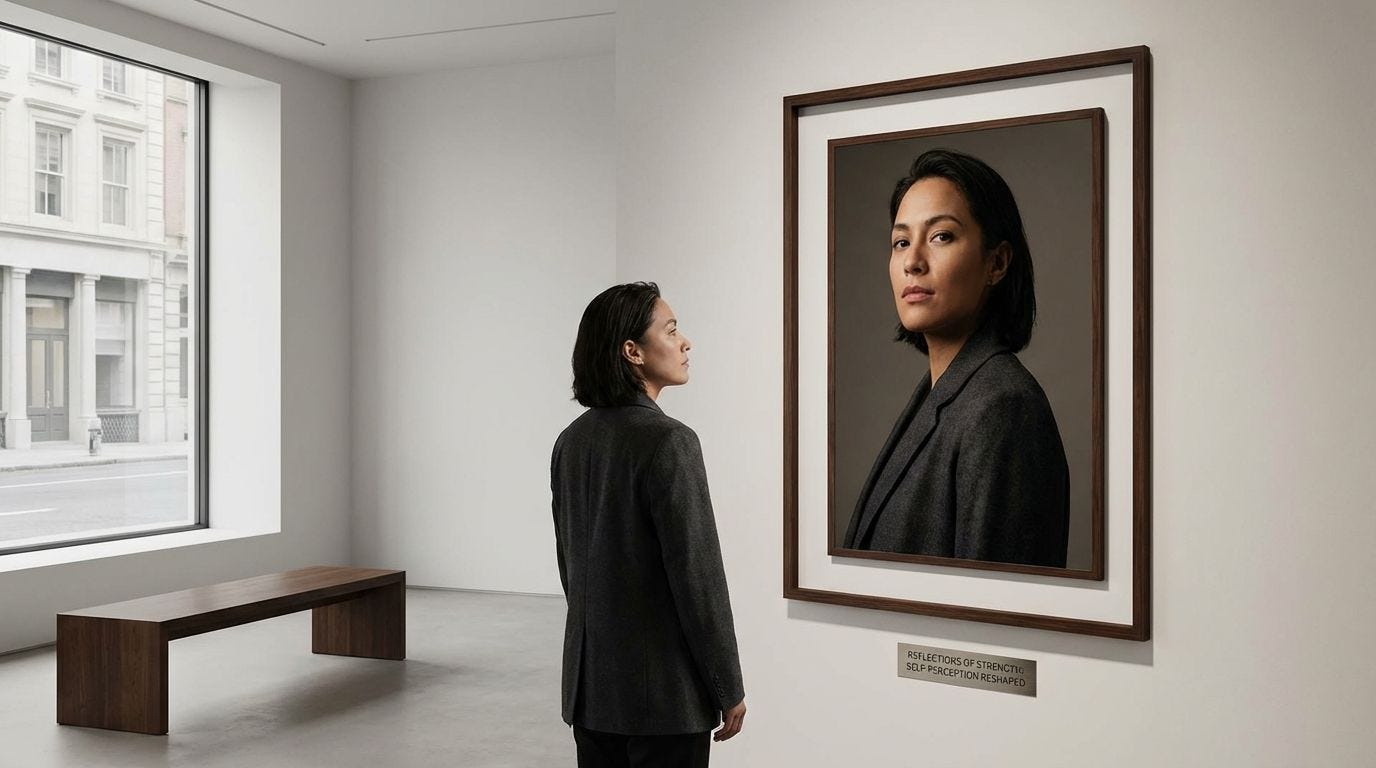
Commissioned portraits have shaped identity by controlling how individuals are represented and remembered. When you study their history, you see how portraits guide self-understanding, public perception, and cultural narratives.
This article shows you how commissioned portraits influenced identity from early courts to modern photography. You gain a clear view of how sitters, artists, and patrons collaborated to construct reputation, authority, and self-image. You also learn why these traditions continue to matter today.
What is a commissioned portrait, and why does it matter for identity?
A commissioned portrait is an artwork created at a patron’s request to depict a specific person. You see its importance in the way it constructs both appearance and meaning, presenting the sitter through curated visual choices that signal status, personality, and aspiration.
Commissioned portraits have always carried intention. Clothing, posture, expression, and background are selected to shape public understanding of the sitter. Art historians note that these images often combine prestige, personal values, and social messages linked to power or lineage. When patrons controlled these elements, they also controlled how identity was interpreted by future viewers.
This is why many portraits sit at the intersection of self-representation and social messaging. The sitter is not only shown but defined through the artist’s interpretation and the patron’s objective. The result becomes part of the sitter’s identity narrative-an artifact that guides how others think about them long after the moment of creation.
How did early European courts use portraiture to reinforce personal and political identity?
Rulers and nobles commissioned portraits to reinforce power and secure public authority. These images emphasized leadership, legitimacy, and moral strength through carefully staged visuals.
In late medieval and early Renaissance courts, portraits often appeared in official chambers or diplomatic spaces to assert presence even when the ruler was absent. Details like regalia, gaze direction, and architectural backdrops signaled stability and dominance. These cues told viewers that the sitter held not just a title but an identity linked to governance and command.
These portraits also shaped the sitter’s self-image. When a ruler repeatedly saw themselves represented as composed, commanding, and dignified, the portrait reinforced those qualities internally. Portraiture became both a mirror and a script-showing individuals how they were expected to inhabit their roles.
How did symbolic elements in Renaissance and Northern European portraiture influence identity formation?
Symbols in Renaissance portraiture were powerful identity tools. You see them operating like language-objects, animals, clothing, and gestures all communicated details about personality, values, and social expectations.
Northern European artists were especially precise with symbolism. A sprig of flowers could signal purity; a dog represented loyalty; books indicated scholarship or piety. These coded messages guided viewers toward specific interpretations of the sitter.
When children appeared in portraits, the symbols often shaped identity before the child could define themselves. A young heir shown with a medallion or sword learned to see himself as a future ruler. A child depicted with musical instruments absorbed the idea of refinement or artistic promise.
Portraits did not merely record the child-they projected who the child was meant to become.
How did Dutch Golden Age portraiture contribute to community identity?
The Dutch Golden Age introduced a new form of identity construction-civic identity. Commissioned portraits shifted from aristocracy to merchants, guild leaders, and regents. These works preserved not only personal likenesses but also the values and responsibilities tied to public service.
Group portraits displayed in civic halls showed leadership bodies of orphanages, hospitals, and guilds. Their arrangement around tables or ledgers reflected authority, cooperation, and shared governance. Clothing signaled seriousness and discipline appropriate for public duties.
For you as a modern viewer, these portraits demonstrate how groups use imagery to define collective identity. Each participant gains a visual role, reinforcing how they relate to the community and to each other. These paintings still guide how historians understand social order and institutional culture from that era.
What role did portrait series and curated collections play in shaping cultural memory?
Portrait collections functioned as archives of significance. They told societies which individuals mattered and why. Paolo Giovio’s Renaissance-era portrait collection is one clear example. With more than four hundred portraits of rulers, thinkers, generals, and artists, the series acted as a visual encyclopedia of achievement.
The creation and maintenance of such collections defined cultural memory. People represented in these series became part of a shared narrative of excellence or fame. Their identities expanded beyond personal achievement to represent ideals, eras, or movements.
When you consider identity formation, these collections demonstrate how recognition is shaped by inclusion. Being added to a portrait archive was a statement that a life held meaning for future generations.
How did commissioned portraits change in modern and contemporary art?
The rise of photography and global art markets changed how portraits were commissioned, consumed, and valued. Photography made portraits accessible to broader populations, while painted likenesses became markers of prestige, leadership, or legacy.
Warhol’s commissioned portraits show how modern portraiture can merge art, branding, and media. His clients sought visibility rather than tradition. The repetition, stylization, and bold colors signaled fame and social standing. For the sitter, these portraits became identity tools reflecting their place in the modern cultural hierarchy.
Contemporary artists often use portraiture to question identity rather than reinforce it. They examine ethnicity, gender, or national identity by altering or reenacting historical imagery. Where older portraits projected certainty, contemporary works invite interpretation and dialogue.
How do portrait sessions today influence personal confidence and self-definition?
Modern commissioned portraiture still shapes identity, especially in families and professional settings. You see this when children confidently engage in a studio session or adults invest in branding portraits for leadership roles.
A portrait session offers structure, affirmation, and intention. When someone stands in front of a camera with guidance and support, they adopt a role they want to embody-leader, creator, parent, dreamer. The resulting image becomes part of their identity toolkit.
Homes and offices filled with portraits reinforce this self-understanding. Children who see dignified, expressive photos of themselves absorb cues about their worth. Adults who display professional portraits internalize confidence and authority. These images shape how others respond to them-and how they respond to themselves.
What is the historical link between portraits and identity?
- Portraits construct public image
- Symbols define values and status
- Collections shape cultural memory
- Modern portraits build confidence and self-image
Identity Through Portraiture: Your Connection to a Centuries-Old Tradition
Across history, commissioned portraits shaped how people understood themselves and how others perceived them. From royal chambers to civic institutions, from symbolic Renaissance compositions to modern personality-driven sessions, portraits consistently guided social and personal identity. When you participate in portraiture today, you continue that tradition by defining how your image will speak for you across time. This power makes portraits far more than decoration-they become markers of confidence, legacy, and belonging.
If you want to explore more ways portrait experiences influence identity, you’ll find additional insights linked **on my facebook**.
Originally published at https://enchantedfairiesaward.com on December 11, 2025.
메타데이터
- post_id
- d710eec0b60b
- slug
- historical-exploration-of-commissioned-portraits-and-identity-formation-d710eec0b60b
- url
- https://medium.com/@enchanted.fairies/historical-exploration-of-commissioned-portraits-and-identity-formation-d710eec0b60b
- canonical_url
- https://medium.com/@enchanted.fairies/historical-exploration-of-commissioned-portraits-and-identity-formation-d710eec0b60b
- author_url
- https://medium.com/@enchanted.fairies
- status
- ok
- fetched_at
- 2026-08-07 07:36:35