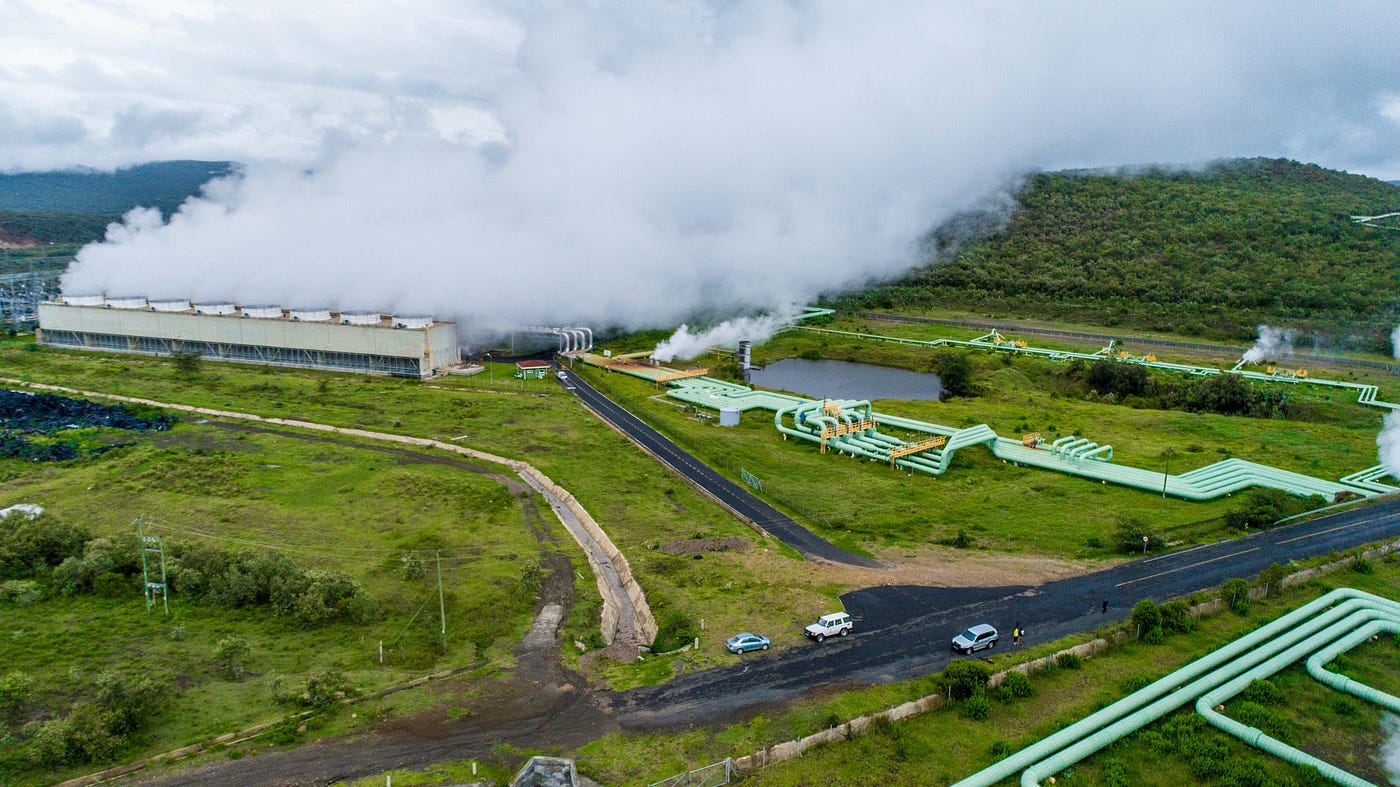
Fueling Nigeria’s Future: Accelerating Gas Development for Sustainable and Clean Energy
The Nigerian National Petroleum Company Limited (NNPCL) is leading the charge in aggressive gas development and transportation projects to…

Gas & Energy
Fueling Nigeria’s Future: Accelerating Gas Development for Sustainable and Clean Energy
The Nigerian National Petroleum Company Limited (NNPCL) is leading the charge in aggressive gas development and transportation projects to achieve sustainable and clean energy in Nigeria. Aligned with the United Nations Sustainable Development Goals (SDGs), particularly Goal №7 (Affordable and Clean Energy) and №13 (Climate Action), the company seeks to strike a balance between energy accessibility, affordability, and sustainability. The NNPCL’s emphasis on gas as a transition fuel and its efforts to expand gas development and infrastructure demonstrate its commitment to driving cleaner and more affordable energy options for Nigeria’s socio-economic development.
The focus on aggressive gas development and transportation projects in Nigeria is well-founded and justifiable for several reasons. Firstly, aligning with the UN SDGs, particularly Goal №7 (Affordable and Clean Energy) and №13 (Climate Action), reflects Nigeria’s commitment to combating climate change and ensuring access to affordable and clean energy for its citizens. Natural gas, as a cleaner-burning fossil fuel, can significantly reduce greenhouse gas emissions, making it an essential component in achieving sustainable energy targets.
Gas development and utilization can have transformative positive impacts on Nigeria’s energy landscape. Firstly, it can enhance energy accessibility for all citizens, bridging the gap between energy demand and supply. This, in turn, stimulates economic growth by providing a reliable and continuous power supply to industries and businesses. Additionally, gas utilization can significantly reduce environmental pollution, contributing to improved air quality and public health. The availability of affordable and cleaner energy options can also attract investments, foster industrial growth, and create job opportunities in the energy sector, thereby driving socio-economic development.
Despite its benefits, gas development and utilization in Nigeria may have some negative impacts. Environmental concerns may arise due to methane emissions during the extraction and transportation of natural gas. Additionally, there may be potential risks associated with gas pipeline infrastructure, such as leakages or accidents. Proper regulatory oversight and adherence to strict safety standards are crucial to mitigate these risks effectively.
To expedite gas development and utilization in Nigeria, collaborative efforts are essential. The government should create a conducive policy and regulatory environment to attract private investors in the gas sector. Incentives and favourable tax regimes can encourage private investments in gas exploration, production, and transportation projects. Additionally, investing in research and development to enhance gas utilization technologies can promote efficiency and cost-effectiveness. Partnerships between the government, private sector, and international organizations can provide valuable expertise, funding, and knowledge transfer to boost gas projects.
Expediting gas development in Nigeria requires projects and programs to stimulate domestic gas demand not just for industrial use but also for residential uses such as in Indonesia. In this context, public private partnerships and favourable policies would remove barriers to gas adoption, such as upfront costs and accessibility to supply to provide alternatives to the population. Short, medium, and long-term strategic plans should be created as a roadmap to achieving growth in domestic gas demand and supply. These plans should be to leverage on the current business model for liquefied petroleum gas (LPG) distribution within the country which has the potential for accelerated growth.
Embracing aggressive gas development and transportation projects in Nigeria is a vital step towards achieving sustainable and clean energy. By aligning with the UN SDGs and emphasizing gas as a transition fuel, Nigeria can pave the way for a cleaner and more prosperous future. The positive impacts of gas utilization, including enhanced energy accessibility, reduced environmental pollution, and economic growth, can pave the way for a sustainable and resilient energy future for Nigeria and its citizens. However, careful management, strict adherence to safety standards, and collaborative efforts are necessary to address potential challenges and make gas a key driver of Nigeria’s energy transformation.
메타데이터
- post_id
- d74d91c38c41
- slug
- fuelling-nigerias-future-accelerating-gas-development-for-sustainable-and-clean-energy-d74d91c38c41
- url
- https://medium.com/@enermicsconsulting/fuelling-nigerias-future-accelerating-gas-development-for-sustainable-and-clean-energy-d74d91c38c41
- canonical_url
- https://medium.com/@enermicsconsulting/fuelling-nigerias-future-accelerating-gas-development-for-sustainable-and-clean-energy-d74d91c38c41
- author_url
- https://medium.com/@enermicsconsulting
- status
- ok
- fetched_at
- 2026-07-25 11:00:36