How Effective Is Stem Cell Therapy for Knee Pain?
Knee pain affects millions of people worldwide and can significantly reduce mobility, independence, and quality of life. Whether caused by…
How Effective Is Stem Cell Therapy for Knee Pain? A Complete Guide to Benefits, Results, and Recovery
Knee pain affects millions of people worldwide and can significantly reduce mobility, independence, and quality of life. Whether caused by osteoarthritis, cartilage damage, sports injuries, or age-related degeneration, chronic knee pain often pushes patients to seek alternatives to surgery and long-term medication use.

Among the most promising regenerative medicine treatments available today is stem cell therapy. This innovative approach aims to reduce inflammation, promote tissue healing, and potentially improve joint function. While ongoing research continues to evaluate long-term outcomes, several clinical studies and meta-analyses have shown encouraging results for pain reduction and functional improvement in patients with knee osteoarthritis and other degenerative knee conditions.
In this article, we explore how effective stem cell therapy is for knee pain, who may benefit from it, what the procedure involves, and what current scientific evidence suggests.
What Is Stem Cell Therapy for Knee Pain?
Understanding Stem Cells
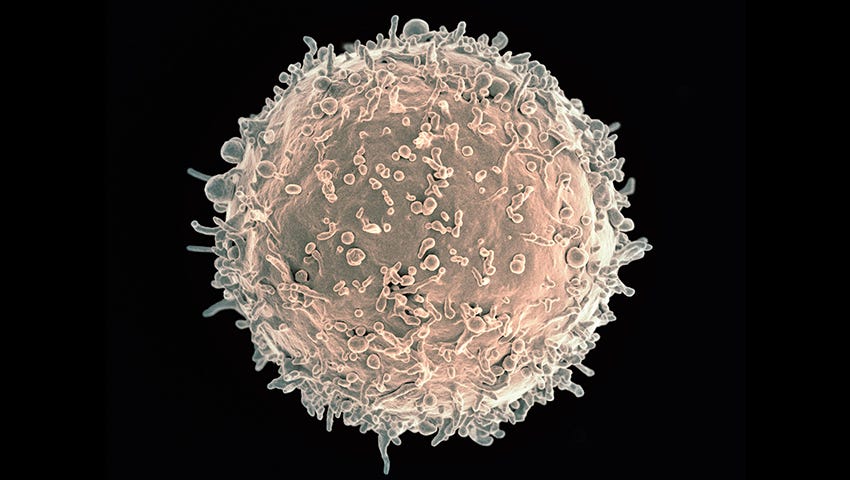
Stem cells are specialized cells with the ability to develop into different cell types and support tissue repair. In orthopedic medicine, mesenchymal stem cells (MSCs) are commonly used because they possess anti-inflammatory and regenerative properties.
How Stem Cell Therapy Works
When injected into a damaged knee joint, stem cells may help reduce inflammation, stimulate healing processes, and support cartilage preservation. Rather than simply masking symptoms, regenerative treatments aim to address the underlying causes of pain and degeneration. Research suggests that stem cells may improve pain scores and functional outcomes in many patients suffering from knee osteoarthritis.
How Effective Is Stem Cell Therapy for Knee Osteoarthritis?
Clinical Evidence and Research Findings
Pain Reduction Outcomes
Functional Improvement Results
Knee osteoarthritis is one of the most common reasons patients consider stem cell therapy. Multiple systematic reviews and meta-analyses have found that stem cell treatment can significantly improve pain levels and knee function compared with conventional conservative treatments. Patients often report reduced pain, improved mobility, and enhanced quality of life over follow-up periods ranging from six months to two years. However, outcomes can vary depending on disease severity, stem cell source, and treatment protocol.
Stem Cell Therapy for Cartilage Damage in the Knee
Can Stem Cells Repair Cartilage?
Cartilage Regeneration Potential
Factors Affecting Success
Cartilage damage is particularly challenging because cartilage has limited natural healing capacity. Emerging evidence suggests that stem cells may support cartilage preservation and improve cartilage quality, although complete cartilage regeneration remains an area of ongoing research. Some studies have demonstrated improvements in imaging findings alongside reductions in pain and stiffness, making stem cell therapy a promising option for selected patients with cartilage injuries.
Benefits of Stem Cell Therapy for Knee Pain
Non-Surgical Treatment Option
Reduced Inflammation
Faster Recovery Compared to Surgery
Potential Long-Term Relief
Patients often choose stem cell therapy because it offers several advantages over invasive surgical procedures. Potential benefits include:
- Minimally invasive outpatient procedure
- Reduced knee pain and inflammation
- Improved joint mobility and flexibility
- Shorter recovery time than surgery
- Lower risk compared to major orthopedic procedures
- Potential delay of joint replacement surgery
- Personalized treatment using the patient’s own cells in many cases
While results differ among individuals, these benefits have contributed to the growing interest in regenerative orthopedic treatments worldwide.
Who Is a Good Candidate for Stem Cell Therapy for Knee Pain?
Early to Moderate Osteoarthritis Patients
Sports Injury Recovery
Individuals Seeking Surgery Alternatives
Not every patient with knee pain is an ideal candidate for stem cell therapy. The best outcomes are generally observed in individuals with mild to moderate osteoarthritis, cartilage injuries, ligament damage, or chronic inflammation that has not responded adequately to conservative treatments. Patients seeking to postpone surgery or improve joint function naturally may also benefit from a professional evaluation by a regenerative medicine specialist.
The Stem Cell Therapy Procedure for Knee Pain
Initial Consultation and Assessment
Stem Cell Collection Process
Injection Into the Knee Joint
Post-Treatment Care
The procedure typically begins with a comprehensive evaluation, including medical history, physical examination, and imaging studies. Depending on the treatment approach, stem cells may be collected from bone marrow or adipose tissue. After processing, the concentrated stem cells are injected directly into the affected knee joint under image guidance. Most patients return home the same day and follow a structured rehabilitation plan to optimize recovery and results.
Recovery Timeline After Stem Cell Therapy for Knee Pain
First Few Days After Treatment
Short-Term Improvements
Long-Term Healing Process
Recovery following stem cell therapy is generally faster than recovery from knee surgery. Some patients notice symptom improvement within a few weeks, while others experience gradual benefits over several months as tissue healing progresses. Many studies report continued improvement in pain and function up to 12 to 24 months after treatment. Individual healing rates depend on age, overall health, activity level, and the severity of joint degeneration.
Risks and Safety of Stem Cell Therapy for Knee Pain
Common Side Effects
Rare Complications
Safety Profile in Clinical Studies
Current research suggests that stem cell therapy for knee osteoarthritis has a favorable safety profile. Most reported side effects are mild and temporary, including swelling, soreness, or discomfort at the injection site. Serious adverse events appear uncommon in clinical trials. However, patients should seek treatment from experienced regenerative medicine specialists who follow established protocols and safety standards.
Stem Cell Therapy vs Knee Replacement Surgery
Differences in Treatment Goals
Recovery Comparison
Long-Term Considerations
Stem cell therapy and knee replacement surgery serve different purposes. Knee replacement is designed to replace severely damaged joints, while stem cell therapy seeks to preserve and improve natural joint function. For patients with early or moderate degeneration, regenerative treatments may help delay surgery. However, individuals with advanced bone-on-bone arthritis may still require joint replacement for optimal long-term outcomes. Treatment selection should always be based on a thorough orthopedic evaluation.
Scientific Evidence Supporting Stem Cell Therapy for Knee Pain
Findings From Meta-Analyses
Functional Outcome Improvements
Ongoing Research Developments
The scientific literature continues to grow in support of regenerative medicine applications for knee pain. Several meta-analyses have reported meaningful improvements in pain scores, physical function, and patient-reported outcomes following stem cell therapy. At the same time, researchers acknowledge the need for larger, standardized studies to determine optimal cell sources, dosages, and treatment protocols. The current evidence is promising but still evolving.
Conclusion
Stem cell therapy represents an exciting advancement in regenerative orthopedics and offers a potential solution for individuals struggling with chronic knee pain, osteoarthritis, and cartilage injuries. Clinical research indicates that many patients experience meaningful reductions in pain and improvements in knee function after treatment. While stem cell therapy is not a guaranteed cure and outcomes vary between individuals, it may provide a valuable non-surgical option for appropriately selected patients.
For those seeking alternatives to surgery or wishing to preserve joint health, consultation with an **experienced regenerative medicine specialist can help determine whether stem cell therapy is the right choice. As research continues to advance, stem cell-based treatments are expected to play an increasingly important role in the future of [orthopedic care](https://regenorthosport.in)**.
Frequently Asked Questions (FAQs)
1. How long does stem cell therapy take to relieve knee pain?
Most patients begin noticing improvement within several weeks, although optimal results often develop gradually over three to six months as healing processes continue.
2. Is stem cell therapy better than knee replacement surgery?
Stem cell therapy and knee replacement serve different purposes. Stem cell treatment aims to preserve the natural joint, while knee replacement replaces severely damaged joint surfaces. The best option depends on the severity of knee degeneration.
3. Can stem cell therapy regrow knee cartilage?
Research suggests stem cells may help improve cartilage quality and support tissue repair, but complete cartilage regeneration remains an active area of scientific investigation.
4. How long do stem cell therapy results last for knee pain?
Many studies report improvements lasting from one to two years or longer, although results vary based on individual health factors and the extent of joint damage.
5. Is stem cell therapy safe for treating knee osteoarthritis?
Current evidence indicates that stem cell therapy is generally safe when performed by qualified medical professionals, with most side effects being mild and temporary.
StemCellTherapy #KneePainRelief #KneePainTreatment #RegenerativeMedicine #StemCellTreatment
메타데이터
- post_id
- d77e8dfa548a
- slug
- how-effective-is-stem-cell-therapy-for-knee-pain-d77e8dfa548a
- url
- https://medium.com/@sairamtalluri23/how-effective-is-stem-cell-therapy-for-knee-pain-d77e8dfa548a
- canonical_url
- https://medium.com/@sairamtalluri23/how-effective-is-stem-cell-therapy-for-knee-pain-d77e8dfa548a
- author_url
- https://medium.com/@sairamtalluri23
- status
- ok
- fetched_at
- 2026-06-09 15:37:30