The double life of brown algae
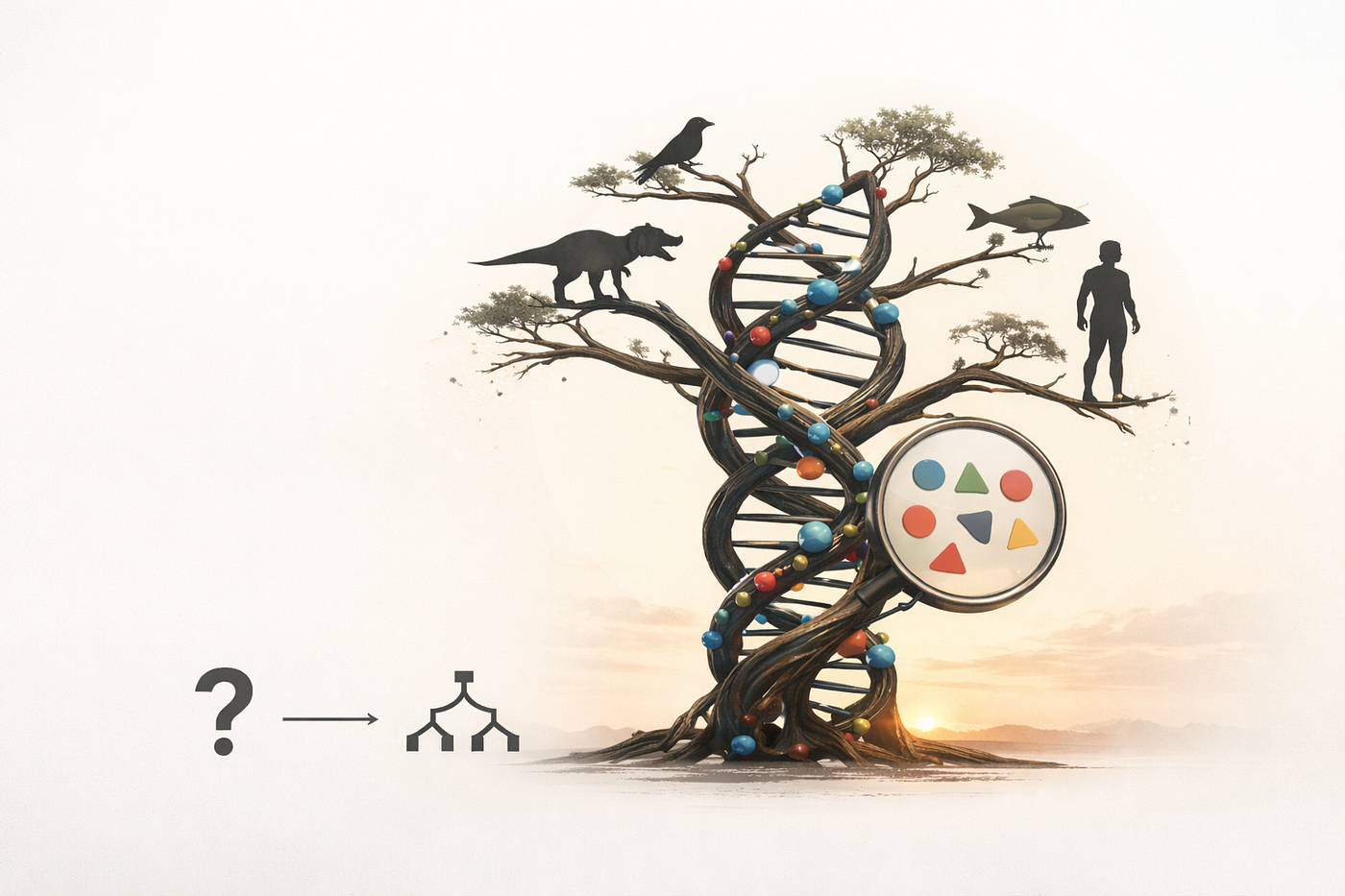
Brown algae exhibit life-cycle-related patterns of gene expression that may be — at least partially — conserved across species.

Filaments of the sporophyte generation of the brown alga Ectocarpus bearing a unilocular sporangium. Image credit: Ratchinski et al. (CC BY 4.0)
The double life of brown algae
Brown algae exhibit life-cycle-related patterns of gene expression that may be — at least partially — conserved across species.
Coastal marine environments are often populated by large underwater forests of brown algae, such as seaweeds and kelps. The brown algae are key components of these coastal ecosystems, providing food and habitat for numerous organisms.
From a developmental perspective, brown algae are particularly interesting because they evolved multicellularity independently of land plants and animals. They therefore represent an alternative system to investigate the evolution and molecular bases of developmental processes.
Most brown algae have life cycles that alternate between a spore-producing generation (the sporophyte) and a gamete-producing generation (the gametophyte). In some cases, these distinct life stages may enhance survival under variable conditions. However, the genetic basis of development in these complex multicellular organisms — which could shed more light on their ecology — remains poorly understood.
Ratchinski et al. investigated the activity of genes across multiple life-cycle stages in a broad range of brown algal species to identify groups of genes that potentially play key roles at specific stages of development.
The results showed that brown algal species with strongly differentiated life-cycle generations tended to have more genes that are differentially expressed during each generation, correlating with the differences in morphological traits.
Furthermore, several groups of genes that exhibited coordinated patterns of expression over the course of the life cycle (so-called co-expression modules) tended to share related functions. Ratchinski et al. also noted extensive changes in gene expression during the early stages of sporophyte development, and similar patterns were observed in two evolutionarily distant brown algae species.
Seaweed cultivation is attracting growing interest for producing biomass for human consumption and other applications. At the same time, wild populations of brown algae are increasingly threatened by global warming. A deeper understanding of brown algae biology is therefore vital for developing sustainable cultivation methods and effective conservation strategies to protect natural brown algal ecosystems.
Originally published at https://elifesciences.org/digests/107449.
메타데이터
- post_id
- d78aaed0deec
- slug
- the-double-life-of-brown-algae-d78aaed0deec
- url
- https://medium.com/roots-and-shoots/the-double-life-of-brown-algae-d78aaed0deec
- canonical_url
- https://medium.com/roots-and-shoots/the-double-life-of-brown-algae-d78aaed0deec
- author_url
- https://medium.com/@elife
- status
- ok
- fetched_at
- 2026-06-13 12:55:53