Power Supply Unit Server: The Unsung Hero Behind Reliable Computing
Discover why a Power Supply Unit Server (PSU Server) is the backbone of reliable IT performance. Learn types, features, and tips for…
Power Supply Unit Server: The Unsung Hero Behind Reliable Computing
When we think of servers, our minds often go straight to high-performance CPUs, massive storage arrays, and blazing-fast memory. Yet, one critical component silently ensures that all these parts work in harmony — the **Power Supply Unit Server**. Without it, the entire system fails.
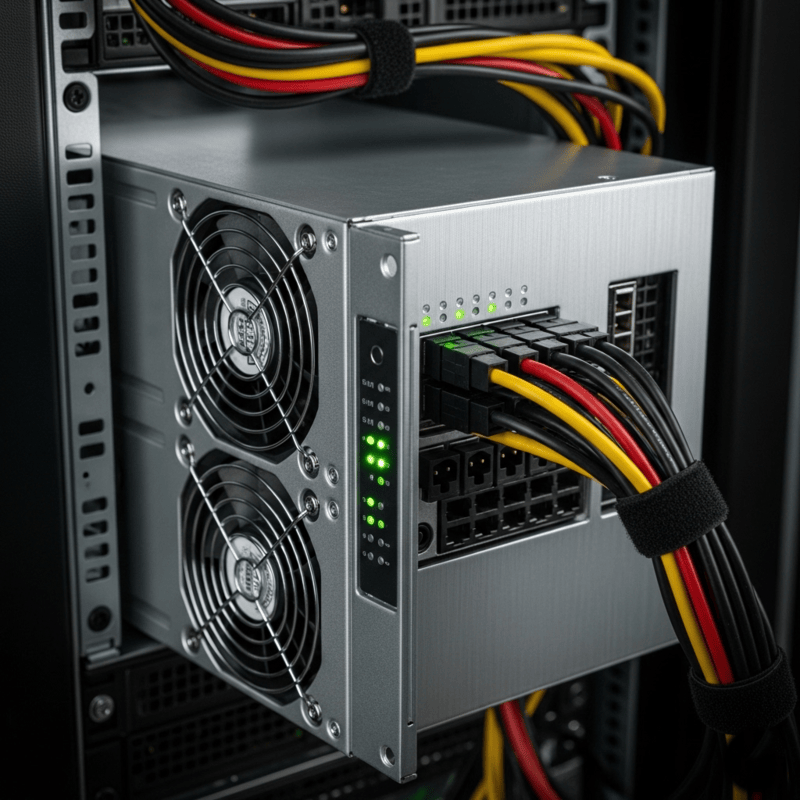
In this article, we’ll explore what a Power Supply Server really is, why it matters more than most people realize, and how to choose the right one for your IT setup.
What is a Power Supply Unit Server?
A Power Supply Unit Server (PSU Server) is the backbone of any server infrastructure. Its primary job is to take the alternating current (AC) from your power outlet and convert it into direct current (DC) that server components like CPUs, GPUs, and storage drives can use.
But it does much more than that. Unlike regular desktop power supplies, a Power Supply Server is engineered for:
- 24/7 reliability — servers must run without downtime.
- Higher loads — handling multiple processors, storage bays, and networking cards.
- Redundancy — ensuring one PSU can take over if another fails.
In short, the PSU is what keeps servers alive and breathing.
Why the Power Supply Server Matters
It’s easy to underestimate the importance of a power supply until something goes wrong. A poor-quality or undersized Power Supply Unit Server can cause:
- Sudden shutdowns during peak workloads.
- Data corruption due to unstable voltage.
- Permanent hardware damage from surges or fluctuations.

On the other hand, investing in a reliable Power Supply Server brings benefits like:
- Uninterrupted Uptime Downtime is expensive. A redundant PSU setup ensures your server stays online even if one unit fails.
- Energy Efficiency Modern PSUs come with 80 PLUS certifications (Bronze, Silver, Gold, Platinum, Titanium). Higher efficiency means lower electricity costs and less heat generation.
- Scalability A high-capacity Power Supply Unit Server supports future upgrades without needing a replacement.
- Better Cooling & Longevity Efficient PSUs generate less heat, leading to longer component lifespan.
Types of Power Supply Servers
Not all server power supplies are the same. Here are the most common types:
- Single PSU Servers
- Cheapest option.
- Suitable for small businesses or test environments.
- Downside: if it fails, the server goes down.
2. Redundant PSU Servers
- Equipped with two or more power supplies.
- If one fails, the other instantly takes over.
- Essential for mission-critical operations like data centers, banks, and cloud services.
3. Modular vs. Non-Modular PSUs
- Modular Power Supply Servers allow you to connect only the cables you need, improving airflow.
- Non-modular PSUs have all cables fixed, which may clutter server racks.
Key Features to Look For in a Power Supply Unit Server
When selecting the right PSU, keep these factors in mind:
- Wattage Capacity — Always choose higher than your total load to account for spikes.
- Efficiency Rating — Go for at least 80 PLUS Gold for enterprise setups.
- Redundancy Support — Critical for 24/7 uptime.
- Hot-Swappable Design — Lets you replace a PSU without shutting down the server.
- Form Factor Compatibility — Ensure the PSU fits your rack or tower chassis.
- Trusted Brands — Seasonic, Dell, HP, Corsair, and Supermicro are industry favorites.
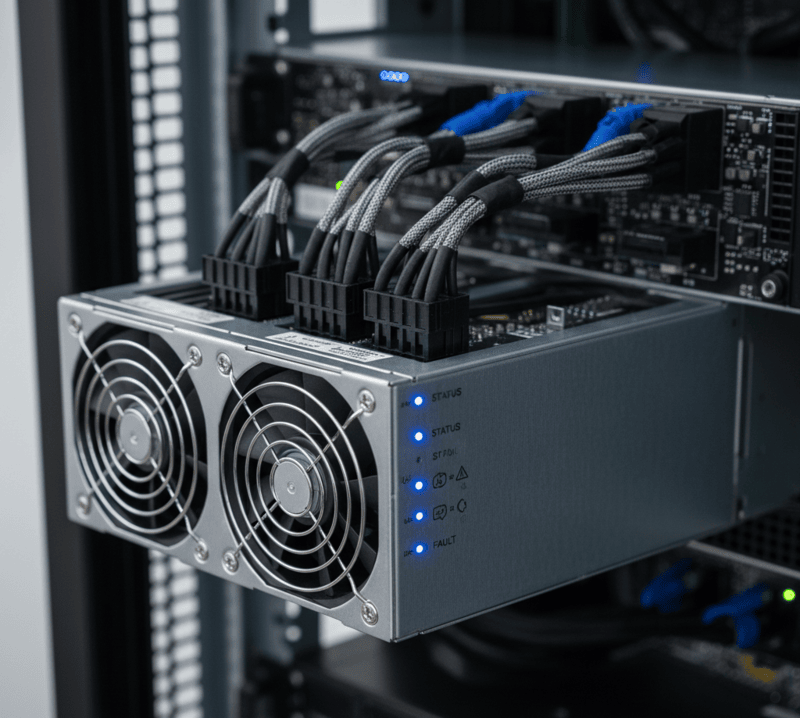
Real-World Applications of Power Supply Servers
- Data Centers — Handle thousands of racks that demand redundant, high-efficiency PSUs.
- Cloud Hosting Providers — Require maximum uptime for virtual machines.
- Enterprise IT Systems — Banking, healthcare, and e-commerce rely on uninterrupted servers.
- AI & High-Performance Computing — GPUs demand huge power loads that only robust PSUs can handle.
Best Practices for Managing Server Power Supplies
- Monitor Power Loads — Use management tools to track usage and prevent overloads.
- Perform Regular Maintenance — Clean dust and ensure adequate airflow.
- Invest in UPS Systems — A PSU alone won’t save your server from sudden power outages; a UPS (Uninterruptible Power Supply) adds another layer of protection.
- Plan for Future Growth — Always buy a PSU with more wattage than your current needs.
Final Thoughts
The Power Supply Unit Server may not be the most glamorous component in your IT setup, but it is undoubtedly one of the most critical. A high-quality Power Supply Server ensures consistent uptime, energy efficiency, and the ability to scale without interruptions.
If you’re building or upgrading servers, don’t treat the PSU as an afterthought. Think of it as the lifeline of your infrastructure — because without power, even the most advanced server is nothing more than a silent box of hardware.
메타데이터
- post_id
- d78bee0aaaad
- slug
- power-supply-unit-server-the-unsung-hero-behind-reliable-computing-d78bee0aaaad
- url
- https://medium.com/@adrinkwan/power-supply-unit-server-the-unsung-hero-behind-reliable-computing-d78bee0aaaad
- canonical_url
- https://medium.com/@adrinkwan/power-supply-unit-server-the-unsung-hero-behind-reliable-computing-d78bee0aaaad
- author_url
- https://medium.com/@adrinkwan
- status
- ok
- fetched_at
- 2026-07-27 03:00:43