Can Traditional Auto Giants Survive the Software Era? Inside VW’s Pivot in China
[Introduction] The automotive industry in China has reached a boiling point where hardware is no longer the only battlefield. For years…
Can Traditional Auto Giants Survive the Software Era? Inside VW’s Pivot in China
[Introduction] The automotive industry in China has reached a boiling point where hardware is no longer the only battlefield. For years, the narrative has been clear: Chinese EV startups like Li Auto, AITO, and Nio lead in software and user experience, while global legacy brands provide build quality and safety. But the rules of engagement are changing.
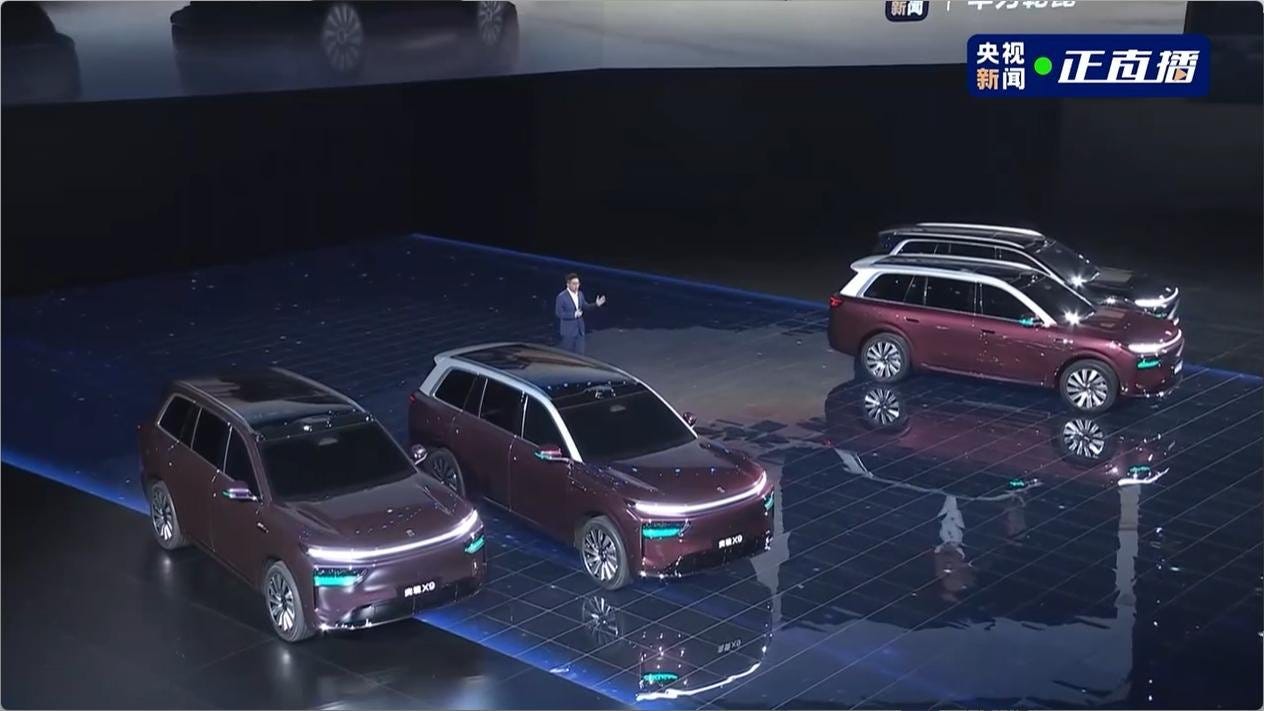
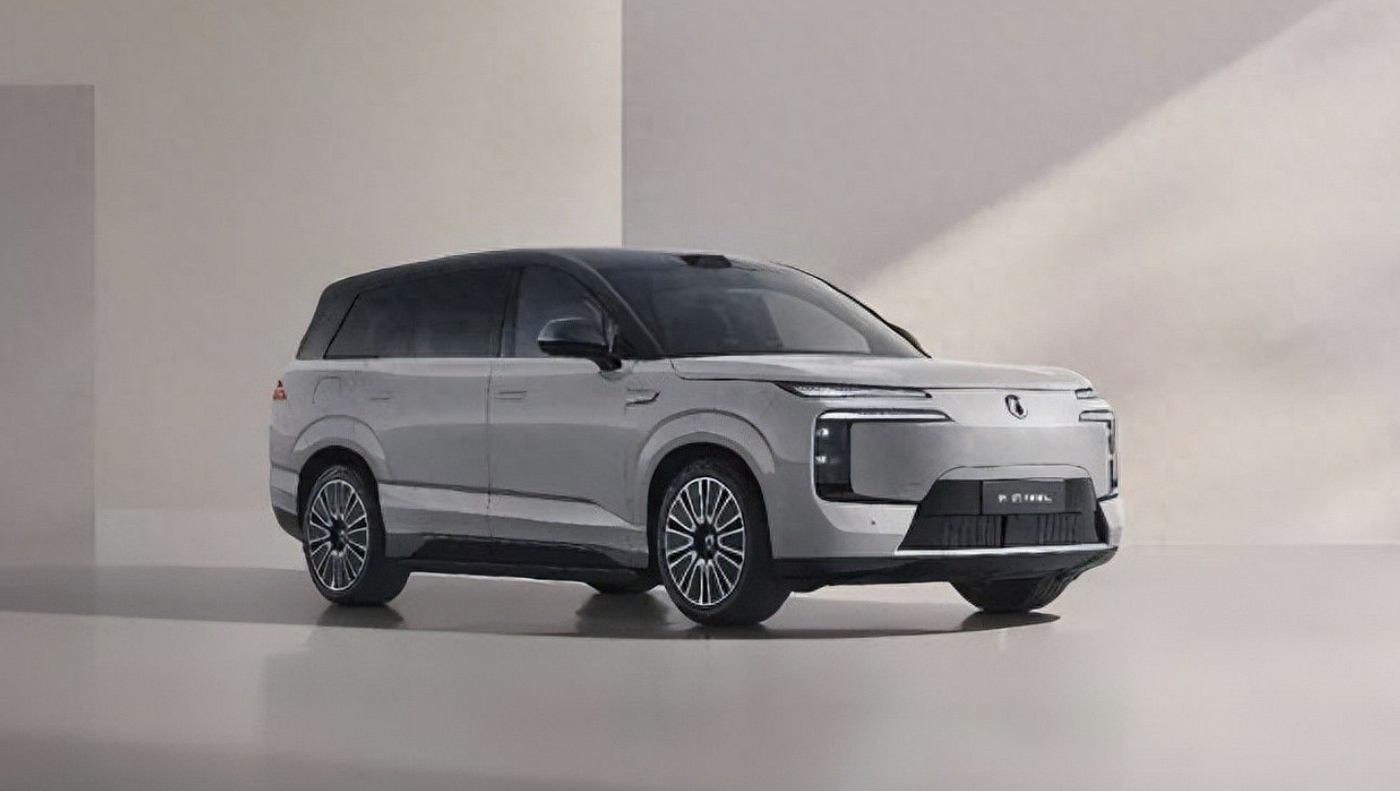
SAIC-Volkswagen has just pushed the first major Over-the-Air (OTA) update to its flagship six-seat extended-range SUV, the ID.ERA 9X. With over 800 individual improvements, it is the clearest signal yet that legacy joint ventures are done playing catch-up.
[The “Software-First” Reality] The ID.ERA 9X is more than just a car; it is a testbed for VW’s China-specific strategy. Since its March 2026 launch, it has delivered over 22,000 units. Early adopters were vocal about one concern: Can a German joint venture match the monthly OTA cadence of tech-first competitors?
With the release of VW OS 1.1.0, the answer is a resounding “yes.”
[Key Highlights of the 1.1.0 Update] The update isn’t just cosmetic; it’s functional and deeply integrated into the user’s lifestyle.
- Intelligent Energy Management: The new “Trip Mode” is a game-changer. It intelligently switches between EV and EREV power based on route topography and real-time charging availability, optimizing efficiency for the 1.5-T range-extender.
- Winter Readiness: A new “buffer-charge” logic for cold weather improves fast-charge speeds by up to 22%. By pre-warming the battery before the vehicle arrives at a charger, VW is tackling one of the biggest pain points for EV owners in cold climates.
- The “Tech-Stack” Parity: By supporting HiCar, CarLink, and CarPlay 2.0 simultaneously, and enabling multi-intent voice recognition, VW is finally offering the level of cockpit customization that Chinese consumers demand.
[Why This Matters for the Global Market] This isn’t just about one SUV. This is about the survival of the joint-venture model. If legacy brands like BMW, Mercedes, and Audi want to maintain their relevance in the premium family segment (250k–450k RMB), they must mirror the agility demonstrated here.
We’ve seen SAIC-VW reorganize its software division over the past two years, and the results are finally showing. While their 6-month major-release cadence is still slower than Li Auto’s 90-day cycle, it is lightyears ahead of what we’ve seen in the US or European markets.
[Conclusion] The ID.ERA 9X proves that legacy automakers are beginning to understand the new logic of the Chinese market: a car is a living product that improves with time. For competitors and investors, the lesson is simple: software is no longer a “nice-to-have” feature; it is the core of the vehicle.
For more in-depth data, specs, and breakdowns of the Chinese EV market, visit ievchina.com


메타데이터
- post_id
- d793ddf3ff4b
- slug
- can-traditional-auto-giants-survive-the-software-era-inside-vws-pivot-in-china-d793ddf3ff4b
- url
- https://medium.com/@ysh653972165/can-traditional-auto-giants-survive-the-software-era-inside-vws-pivot-in-china-d793ddf3ff4b
- canonical_url
- https://medium.com/@ysh653972165/can-traditional-auto-giants-survive-the-software-era-inside-vws-pivot-in-china-d793ddf3ff4b
- author_url
- https://medium.com/@ysh653972165
- status
- ok
- fetched_at
- 2026-07-11 23:37:18