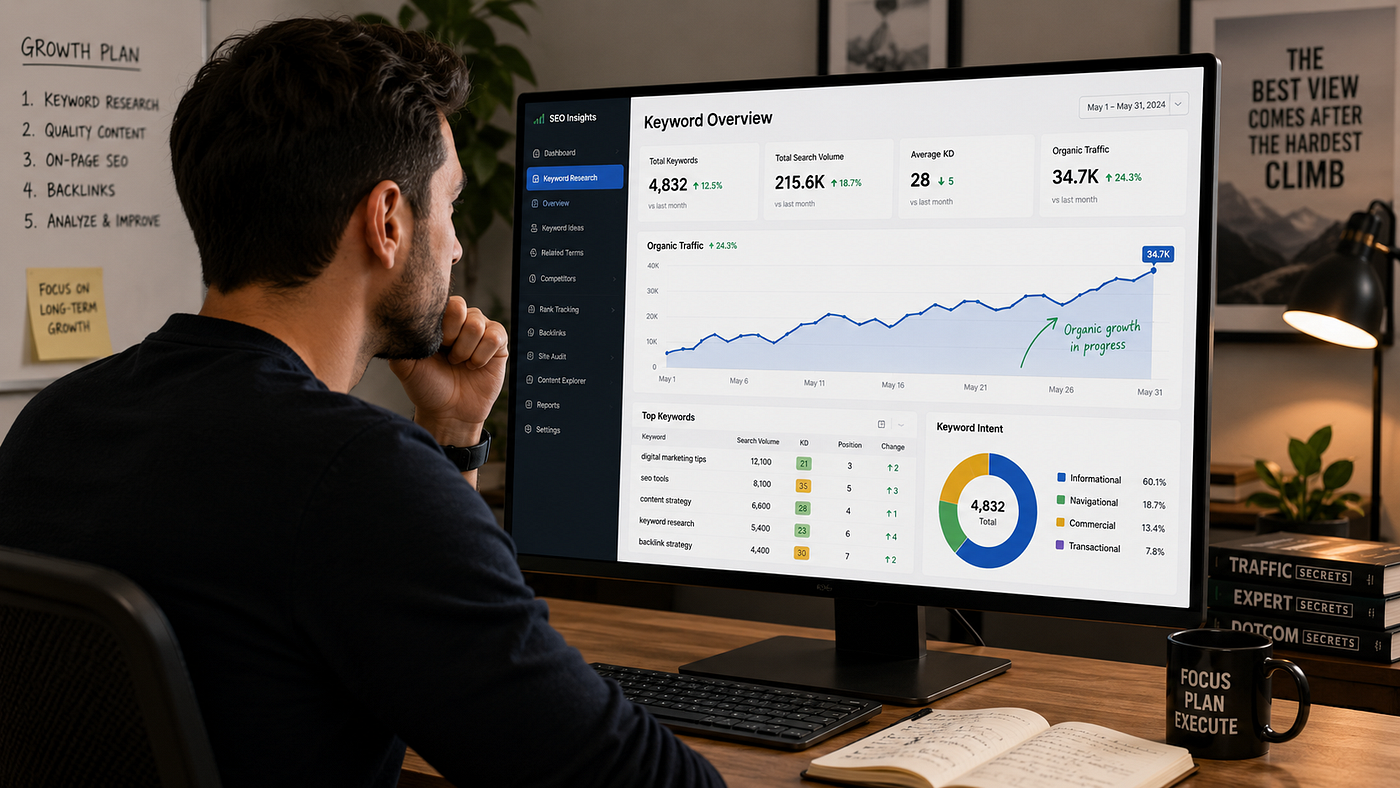
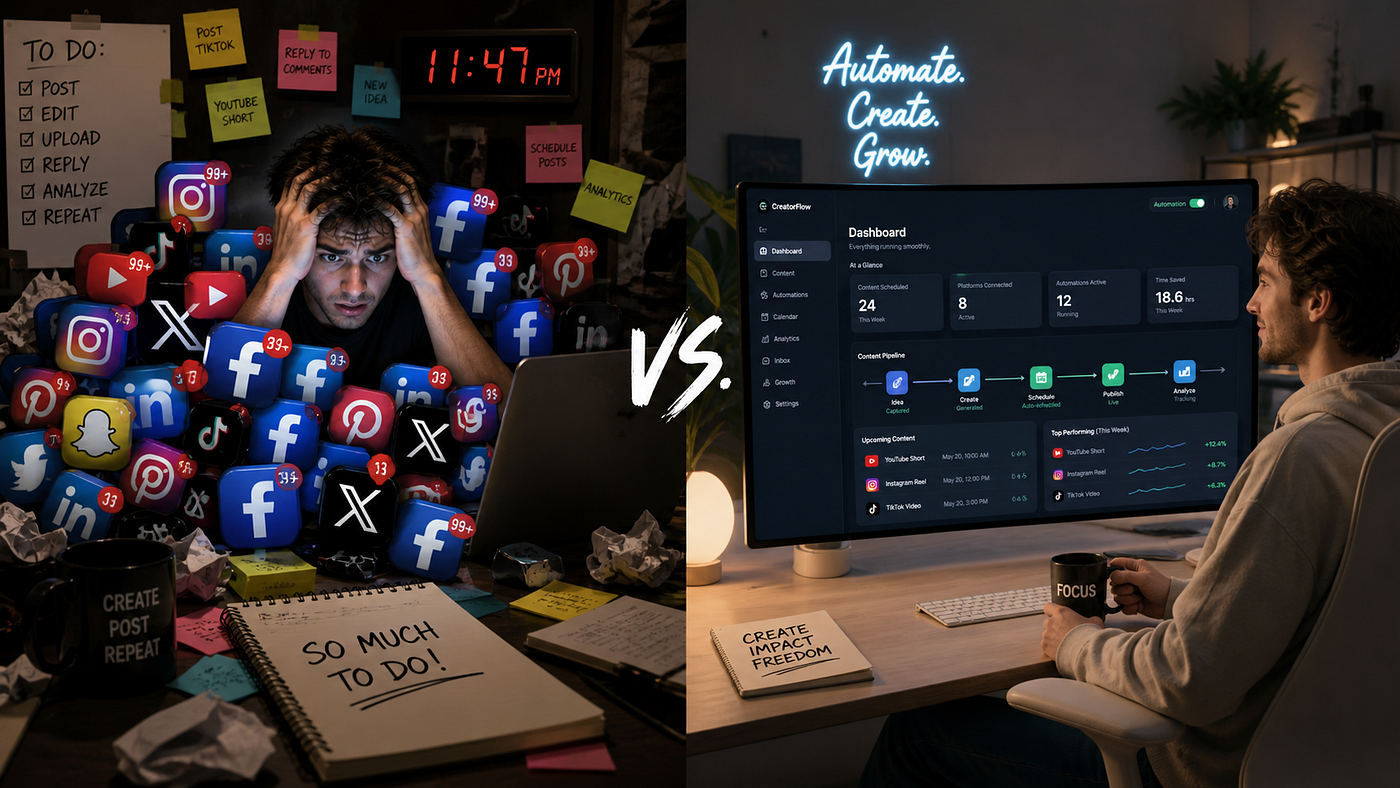
What Is Placement in Digital Marketing? A Practical Guide for Better Ad Results
What Is Placement in Digital Marketing? A Practical Guide for Better Ad Results
Placement in digital marketing is where your ads or content actually appear online , the sites, apps, pages, and positions your audience sees.
In this guide, you’ll learn what placement really means, how it affects performance, and how to use it to get better results from the same budget. We’ll also look at practical examples, common mistakes, and how content placements (like news articles) can boost brand visibility and credibility alongside your ads.
Smart placement is what turns good creative and targeting into real clicks, leads, and sales.
TL;DR — Key Takeaways
- Placement in digital marketing means the exact locations where your ads or content appear online.
- Good placement is about three things: the right audience, the right context, and the right moment.
- You can massively speed up your placement strategy by using Brand Push to secure guaranteed news-site placements that boost visibility, trust, and SEO.
Where your ads show up can quietly make or break your results , often more than the ad itself. 🧠
When most people think about digital marketing, they obsess over the creative: the perfect headline, the right hook, the clever video.
That stuff matters , but if your ad shows up in the wrong place, to the wrong people, at the wrong moment, even the smartest creative will flop.
That’s where “placement” comes in.
In digital marketing, placement is simply where your ad, content, or brand mention actually appears:
- The website or app (e.g., a niche blog vs. a random meme site)
- The format (banner, in-feed, video pre-roll, sponsored article)
- The context (next to trustworthy content… or next to something sketchy)
Good placement does three big things:
- Puts you in front of people who actually care
- Makes you look more credible by association
- Reduces wasted ad spend on impressions that never convert
This is true whether you’re running Facebook ads, YouTube pre-rolls, or getting your brand into news sites via press releases and advertorials through services like Brand Push.
In this guide, we’ll break down how placement really works , and how to use it to quietly boost your ad performance without spending more.
Placement in digital marketing is simply where your message shows up and who actually sees it.
In digital marketing, placement refers to the exact locations where your ads, content, or brand mentions appear online.
It’s not just “Facebook” or “Google” , it’s the specific spots and contexts, like:
- A banner ad on a news site’s homepage
- A pre-roll video before a YouTube tutorial
- A sponsored article on a niche blog your audience trusts
- A press mention on a major media outlet via a PR service like Brand Push
Good placement answers two questions:
- Where is my audience actually spending time?
- What mindset are they in when they see my message?
For example, an ad for project management software on a productivity blog is a strong placement.
The same ad on a random meme page? Not so much.
So when you hear “ad placement” or “content placement,” think less about the platform and more about the exact environment your brand shows up in , because that context heavily influences clicks, conversions, and overall ROI.
Types of Digital Placements: Where Your Brand Can Show Up Online
Digital placements are simply all the different spots your brand can appear online , each with its own strengths, audience, and role in your marketing mix.
Think of placements like shelf space in a supermarket, but for the internet.
On search engines, your ads show up on Google or Bing results pages when someone types in a keyword (great for “ready to buy” moments, like “same day flower delivery”).
Display placements are those banner or image ads you see on blogs, news sites, or apps.
They’re visual, easy to scale, and useful for broad awareness or retargeting people who already visited your site.
On social media, your content appears as sponsored posts, reels, or stories in feeds on platforms like Instagram, TikTok, Facebook, or LinkedIn , perfect for interest-based targeting and storytelling.
You also have video placements (YouTube pre-rolls, in-stream CTV ads), mobile/app placements (in-app banners, interstitials, SMS), and native/content placements like sponsored articles or press coverage.
Services like Brand Push tap into that last category by helping brands appear in news sites and online publications , another powerful “placement” that builds trust beyond traditional ads.
Ad placement, content placement, and product placement all answer the same question , “where does this show up?” , but they work in totally different ways and contexts.
Here’s how to tell them apart (and when to use each):
1. Ad Placement (what most people mean in digital marketing)
This is where your paid ads appear online. Examples:
- A display banner on a news site
- A pre-roll video before a YouTube clip
- A sponsored post in someone’s Instagram feed
You control this through ad platforms (Google Ads, Meta, etc.), targeting, and bidding.
The goal: get your ad in front of the right people, in the right context, at the right time.
2. Content Placement (your content, on other people’s platforms)
This is when your content , not just an ad , appears on sites or channels you don’t own. Think:
- Guest posts on industry blogs
- Press releases distributed to news sites
- Branded articles or “sponsored content” on media outlets
Here, you’re borrowing someone else’s audience and authority.
Services like Brand Push, for example, focus on getting your news or story placed on real news sites, which can boost both credibility and search visibility.
3. Product Placement (your brand inside the content itself)
This is when your product shows up inside entertainment or content:
- A character drinking your beverage in a TV show
- Your software dashboard visible in a YouTube tutorial
- A brand-name car featured in a movie
You’re not interrupting the content; you’re woven into it.
In digital, this often overlaps with influencer marketing , creators naturally using or mentioning your product in their videos, streams, or posts.
When you’re planning a campaign, it helps to ask:
- Do I want attention now? → Focus on ad placement
- Do I want authority and SEO? → Focus on content placement
- Do I want subtle, long-term brand recall? → Explore product placement
Why Placement Strategy Makes or Breaks Your Campaign Performance
Placement strategy determines whether your ad budget becomes profit , or just disappears into impressions no one notices.
Think of placement as where your message shows up: top of Google, mid-article, in Instagram Stories, or buried in a sidebar no one scrolls to.
That “where” quietly controls your click-through rates, conversions, and ultimately revenue.
Top search positions, for example, often capture the majority of clicks and attention compared to lower spots , small visibility differences that create big performance gaps. Recent digital marketing trend reports consistently highlight smarter placement and personalization as key drivers of ROI.
A strong placement strategy asks three questions:
- Where is my audience already paying attention?
- What are they doing or thinking at that moment?
- How can my ad feel like a natural part of that context?
That’s why contextual placements (like a fitness product inside a workout guide) usually beat random banner ads.
It’s also why smart marketers A/B test placements , sidebar vs. in-content, feed vs. Stories , because one small shift can quietly double performance.
If you’re using PR-style content, services like Brand Push help by placing your story on news sites your audience already trusts, so your “ad” feels more like a recommendation than an interruption.
Great placement isn’t just “where your ad shows up” , it’s how the right message meets the right person, in the right context, format, and moment.
Think of placement as four dials you can adjust:
- Audience: Who actually sees your ad. Go beyond basic demographics (age, gender) and think about intent and behavior. Are they researching, comparing, or ready to buy? A crypto trading platform, for example, will perform better if its ads show up in front of users reading market analysis than random finance content.
- Context: What’s happening around your ad. The same banner will feel totally different on a serious industry blog vs. a meme page. Context shapes trust, relevance, and click quality. That’s why placements on niche sites or in editorial-style pieces (like sponsored articles or PR coverage) often convert better than generic display ads.
- Format: How the message appears. Short video, carousel, native ad, sponsored article, or press release picked up by news sites , each fits a different stage of the funnel. Long-form formats work well when you need to explain, educate, or build authority.
- Timing: When your audience sees it. Timing can mean time of day, but also where someone is in their journey. Retargeting after a product page visit, or promoting a launch during industry news spikes, usually outperforms random always-on campaigns.
If you don’t have direct access to premium publishers or news sites, services like Brand Push can help you place brand stories and announcements across established outlets, giving you better context and credibility than a standard ad slot.
How to Build a Smart Placement Strategy in 7 Steps
A smart placement strategy is just a step‑by‑step plan for putting your offers in the right places, in front of the right people, at the right time.
Start by setting clear goals. Use something simple like SMART goals (Specific, Measurable, Achievable, Relevant, Time-bound):
- “Increase leads from paid social by 25% in 6 months.”
- “Test 3 new ad placements on YouTube this quarter.”
Next, research your audience and market. Where do they actually hang out , Instagram Reels, Reddit, industry blogs, Amazon, local shops?
Look at competitors too: what channels are they using, and where are the gaps you can step into?
Then, analyze your product and positioning. A premium B2B SaaS tool might belong on LinkedIn, industry newsletters, and comparison sites. A low-cost impulse product might work better on TikTok, Amazon, or convenience-style retail placements.
From there, choose your channels:
- Paid: Google Ads, Meta, YouTube, sponsored articles
- Owned: your website, email list, app
- Earned: PR, reviews, press coverage
Finally, plan your rollout and resources. Start small, test placements, track results, and double down on what works.
If you’re using PR-style placements, services like Brand Push can help you get featured on news sites and blogs your audience already trusts.
Strategic content placement isn’t just about where you show up, but how your story appears alongside trusted brands your audience already reads.
When people think “placement,” they often picture banner ads or social media posts , but getting your content on major news sites is a different (and often more powerful) game.
Instead of shouting “buy now,” you’re placing your brand inside articles, features, or news-style pieces where readers are already in an information-seeking mindset.
Platforms like Brand Push help with this by distributing your article or announcement to a network of established news outlets.
Done well, this kind of placement can:
- Put your brand next to recognizable media logos
- Build credibility faster than a typical ad campaign
- Generate backlinks that support your SEO and organic traffic
- Give you “as seen on” proof you can reuse on your site and socials
The key is to treat these placements as part of your broader strategy , not a one-off stunt.
Use them to support product launches, build authority around a topic, or reinforce a positioning you want customers (and search engines) to remember. For more on tying this into an overall visibility plan, this breakdown of where to publish news and press releases fits nicely alongside what you’re reading here.
The best way to understand “placement” is to look at real campaigns and see how smart positioning quietly does most of the heavy lifting.
Here are a few high-impact digital placements and why they work so well:
- YouTube pre‑roll before a “how‑to” video A DIY software tool running a 15‑second ad before “How to start a freelance business” isn’t random , it’s context. The viewer is already in problem‑solving mode, so the offer feels timely instead of intrusive.
- Product carousels on niche blogs Think of a running shoe brand featured in a “Best marathon gear” roundup. The ad or affiliate widget appears right when someone is actively comparing options, so click‑through and conversion rates are naturally higher.
- Sponsored articles on news and industry sites A startup getting a branded story on finance or tech outlets taps into built‑in trust and authority. Services like Brand Push help businesses land this kind of coverage across multiple news sites, which doubles as both smart placement and long‑term credibility.
- Retargeting banners on business publications When someone visits your pricing page and later sees your banner on a business or finance publication, the placement reinforces brand recall in a setting that feels professional and relevant.
Common Placement Mistakes That Waste Budget (and How to Avoid Them)
Most placement mistakes don’t come from bad ads , they come from letting the platforms decide where your ads run without enough control or review.
One of the biggest budget killers is targeting placements that are way too broad or totally irrelevant.
Think B2B software ads showing in kids’ gaming apps, or a high-end finance offer running before comedy reaction videos. You’ll see impressions and clicks, but almost no real leads.
Fix this by starting narrow: manually review your top placements each week, and build an exclusion list of apps, sites, and categories that never convert.
Another common leak is forgetting to exclude low-quality mobile apps or junk inventory.
On networks like Google Display, “automatic placements” can quietly dump 20, 30% of your budget into random apps where people tap by accident. Use placement reports to find these and either exclude whole categories (like “games”) or slash bids for them.
Finally, watch for hidden or irregular costs: premium video placements, seasonal spikes, and high frequency can all blow up your budget.
Set frequency caps, monitor CPMs (cost per 1,000 impressions), and compare performance by placement type.
If you’re also doing PR or sponsored content, the same logic applies: with platforms like Brand Push or others, focus on placements where your ideal audience actually reads, not just the biggest list of sites.
You can’t improve your ad placement strategy if you’re not measuring the right things , and most brands track way too much or the totally wrong stuff.
When you’re evaluating placements, your goal isn’t “more data,” it’s “better decisions.”
That means focusing on a small set of metrics that tie directly to business results, not just vanity numbers.
Here are the core ones that usually matter most:
- Impressions & reach , How many people actually saw your ad or content in that placement?
- Click-through rate (CTR) , Of those people, how many cared enough to click?
- Cost per click (CPC) or cost per mille (CPM) , How much are you paying to get attention there?
- Conversion rate , Once people land on your site, how many take the action you want (buy, sign up, book a call)?
- Cost per acquisition (CPA) , How much does it cost to get one customer or lead from that placement?
- Return on ad spend (ROAS) , For every dollar you spend there, how much revenue comes back?
For content-style placements (like PR, sponsored articles, or press release distribution services such as Brand Push), you’ll also want to track:
- Referral traffic from each article or site
- Branded search volume (are more people Googling your name?)
- Backlinks and domain authority gains over time
The key is to compare placements side by side: keep the ones that consistently drive low CPA and solid ROAS, and either fix, renegotiate, or kill the ones that don’t.
Scaling Your Placement Strategy: From Testing to Always-On Visibility
Scaling your placements means moving from small, smart experiments to always-on campaigns that quietly work in the background to keep your brand visible.
You don’t start with “always-on.” You earn it.
First, you run focused tests: A/B test different headlines, images, formats, or placements (e.g., YouTube pre-roll vs. CTV vs. sidebar display).
Layer in incrementality testing so you’re not just seeing clicks, but the true lift from people who saw your ads vs. those who didn’t.
Next comes the learning phase. Here you:
- Kill weak placements quickly
- Shift budget to the winners
- Refresh creatives every 6, 8 weeks to avoid ad fatigue
- Use dynamic creative optimization (DCO) to personalize by audience, device, or context
Once you know what consistently works, you scale to “always-on” visibility: programmatic campaigns bidding in real time, CTV spots running year-round, retail POP at eye level, and content designed to surface in AI search and recommendation engines.
At this stage, your job is monitoring and maintenance: automated alerts if performance drops, quarterly reviews to reallocate budget, and steady testing of new placements so your “always-on” doesn’t become “always-ignored.”
Services like Brand Push can complement this by keeping your press coverage and branded content continuously discoverable while your paid placements do the heavy lifting.
Placement becomes a real competitive advantage when you stop treating it as a checkbox and start treating it like a strategic chess move. ♟️
Most brands obsess over creative and targeting, then toss their ads or content “wherever the budget fits.”
That’s how you end up with decent campaigns that never quite break through.
The brands that win? They ask one simple question before they hit publish: “Is this showing up in the right place, at the right time, in the right context?”
Turning placement into an edge looks like this:
- Choosing platforms where your audience is already in “solution mode,” not just scrolling
- Matching content format to intent: search for answers, social for discovery, email for decisions
- Prioritizing trusted environments (reputable blogs, news sites, niche communities) over cheap impressions
You don’t need a giant budget to do this well , just a clear strategy and a willingness to test.
Tools like Google Ads, native ads, and PR distribution services (such as Brand Push for getting featured on news sites) can help you systematically place your brand where it carries more weight.
If you treat placement as a lever , not an afterthought , you’ll spend less, learn faster, and quietly outmaneuver competitors who are still chasing “more reach” instead of better reach.
Summary
Placement in digital marketing is ultimately about engineering better reach, not just more of it , putting the right message in front of the right people, in the right format, context, and moment so your budget turns into measurable results instead of wasted impressions.
By understanding the full landscape of placements (from search, display, and social to PR-style content, sponsored articles, and product integrations), and by treating each one as a strategic choice rather than a checkbox, you can dramatically improve credibility, conversion rates, and ROI.
The brands that win are the ones that test and refine where they show up, favor trusted environments over cheap inventory, and use tools and partners , like Brand Push for news and content placements , to extend their authority beyond traditional ads.
When you approach placement as a core growth lever in your marketing mix, you don’t just get seen more often , you get seen in the places that actually move the needle.
Author’s note: Hi there 👋 I spend hours each day researching fresh marketing and SEO strategies so you can attract more visitors and increase sales.
If you find this article helpful, please applaud the post, leave a comment, and follow our publication. Your support helps me keep creating useful content.
Frequently Asked Questions
What is placement in digital marketing, in simple terms?
Placement is the specific spot where your ad or content appears online , for example, a banner on a news homepage, a pre-roll video before a YouTube clip, or an article about your brand on a major publication.
It’s the digital “shelf” where people actually see you.
Why is ad placement so important?
You can have a great ad and perfect targeting, but if the placement is poor , wrong site, wrong context, wrong timing , people will ignore it.
Good placement improves visibility, click-through rates, conversion rates, and brand perception because your message shows up where it feels natural and relevant.
What are examples of digital ad placements?
Examples include: display banners on websites, ads inside mobile apps, search ads on Google, sponsored posts in social feeds, pre-roll video ads on streaming platforms, and native ads embedded within articles.
Each placement type has different strengths depending on your goal.
How does Brand Push fit into a placement strategy?
Brand Push specializes in getting your brand featured as news articles on hundreds of real news and media sites.
That’s powerful content placement: it gives you instant credibility, high-authority backlinks, and exposure to audiences who trust those publications , without needing relationships with editors or PR agencies.
What’s the difference between targeting and placement?
Targeting decides who should see your message (by demographics, interests, behavior, etc.).
Placement decides where that message will appear (which platforms, sites, pages, and positions).
You need both: precise targeting with poor placement still underperforms.
How do I know if my placements are working?
Track core metrics by placement: impressions, click-through rate, cost per click, cost per conversion, conversion rate, and viewability.
For content placements, also look at time on page, referral traffic, SEO impact, and assisted conversions.
Pause underperforming placements and scale the winners.
What is content placement versus ad placement?
Ad placement usually refers to paid ad units (banners, videos, search ads).
Content placement refers to placing editorial-style content , like articles, features, and brand stories , on high-authority sites.
Brand Push focuses on this second category: turning your story into news-style content and placing it across major news outlets.
Can better placement really lower my ad costs?
Yes. Strong placements often get higher engagement and relevance scores, which can lower your effective CPM or CPC on many ad platforms.
On top of that, trusted content placements (like news articles through Brand Push) can warm up audiences and improve conversion rates across your other channels.
How do beginners choose placements without wasting money?
Start with: a clear goal (awareness, leads, sales), a tightly defined audience, and a small test budget.
Use platform recommendations and managed placements, exclude obviously irrelevant categories, and review performance by placement weekly.
For content, use services like Brand Push that already know which news sites perform well for different verticals.
Is being featured on news sites considered a placement?
Yes. When your brand appears in an article on a news site, that’s a powerful form of content placement.
It combines reach, authority, and SEO value. That’s exactly what Brand Push delivers: strategic placements on real news outlets, at scale, without the cost and complexity of traditional PR.
References
- 11 Digital Marketing Trends You Need to Know in 2026 — Web Ascender webascender.com
- Essential Strategies for an Effective Marketing Plan 2026 verticalresponse.com
- The Top 10 Digital Marketing Trends For 2026 searchenginejournal.com
- The Five Biggest Digital Marketing Trends in 2026 — Precision Strategies precisionstrategies.com
- Top Digital Marketing Trends 2026 | Complete Strategy Guide almcorp.com
- SEO and Digital Marketing Trends for 2026 | FourFront fourfront.us
- Top Digital Marketing Trends for 2026: What Businesses Need to Know wsiworld.com
- Digital Marketing Strategy | How to Succeed in 2026 impactplus.com
- Top 5 Things That Shaped Digital Marketing in 2025 (and What They Mean for 2026) | Overdrive ovrdrv.com
- 7 top marketing trends I’m seeing in 2026 | Marketer Milk marketermilk.com
- 2026 Digital Marketing Plan and Practical Guide — Roastbrief US roastbrief.us
- - YouTube youtube.com
- 6 Digital Marketing Shifts That Will Define 2026 w3solved.com
*Images by: Jakub Zerdzicki, Designecologist, Mikael Blomkvist, Iryna Riabchykova, picjumbo.com, Mediamodifier, Pavel Danilyuk, nappy, AS Photography, Laura James, Lukas, Jeswin Thomas
메타데이터
- post_id
- d79ff94fbc01
- slug
- what-is-placement-in-digital-marketing-a-practical-guide-for-better-ad-results-d79ff94fbc01
- url
- https://insights.brandpush.co/what-is-placement-in-digital-marketing-a-practical-guide-for-better-ad-results-d79ff94fbc01
- canonical_url
- https://insights.brandpush.co/what-is-placement-in-digital-marketing-a-practical-guide-for-better-ad-results-d79ff94fbc01
- author_url
- https://medium.com/@Trevor_McGraw
- status
- ok
- fetched_at
- 2026-08-02 23:05:52