WebRTC Is Becoming a Bigger Priority Inside NetSapiens Ecosystems
A few years ago, most business communication setups still revolved heavily around desk phones and traditional SIP clients. Softphones…
WebRTC Is Becoming a Bigger Priority Inside NetSapiens Ecosystems
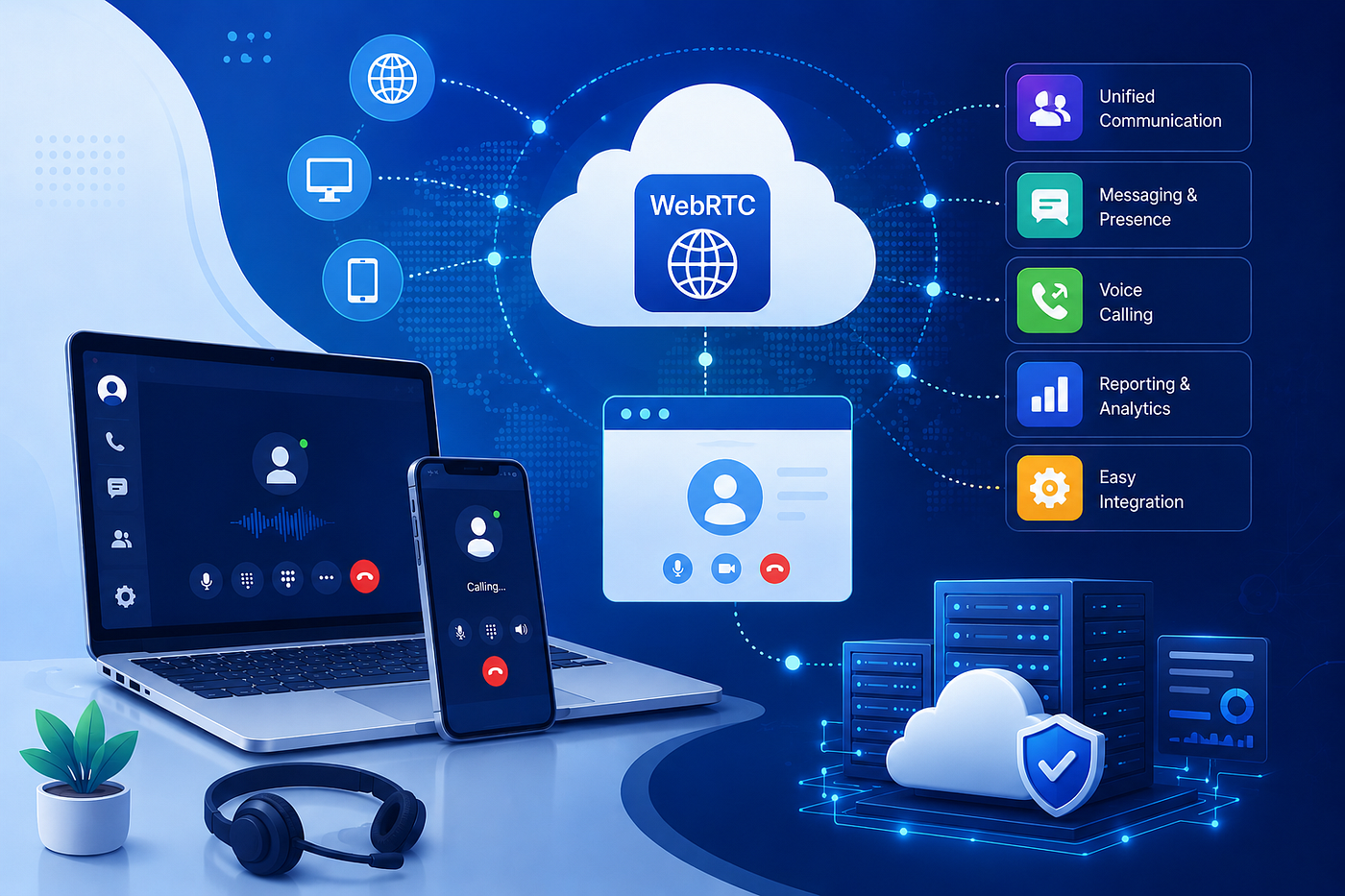
A few years ago, most business communication setups still revolved heavily around desk phones and traditional SIP clients. Softphones existed, but in many environments they still felt secondary.
That situation seems to be changing very quickly now -especially inside NetSapiens ecosystems.
Over the last several months, I’ve noticed more providers and businesses focusing heavily on WebRTC-based communication instead of relying completely on older hardware-centric workflows. And honestly, once you look at how modern teams actually work today, the shift makes a lot of sense.
Business Communication Is No Longer Tied to One Device
Earlier, employees mostly worked from office desks connected to stable internal networks.
Now people constantly move between:
- laptops
- browsers
- smartphones
- office WiFi
- home internet
- mobile data connections
throughout the day.
That creates a very different communication environment compared to older PBX deployments.
Businesses now expect communication systems to feel flexible and continuous across devices instead of being locked to one physical endpoint.
This is probably one of the biggest reasons WebRTC communication is becoming more important inside NetSapiens-based deployments.
Why Traditional Softphone Workflows Sometimes Feel Limited
A basic SIP softphone can still handle calling properly.
But once organizations start scaling remote teams or supporting mobile-heavy workflows, other challenges begin appearing:
- inconsistent push notifications
- difficult NAT traversal
- one-way audio issues
- fragmented messaging
- browser limitations
- disconnected user experiences
I’ve seen cases where the PBX itself remained perfectly stable, but users still struggled because the communication experience around it felt inconsistent.
That’s where WebRTC starts becoming valuable.
Because instead of depending entirely on traditional SIP behavior, WebRTC-based communication environments often feel more adaptable for:
- browser calling
- remote work
- mobile communication
- cloud collaboration
- real-time synchronization
especially in distributed work environments.
WebRTC Feels More Aligned With Modern Workflows
One thing I’ve personally noticed is that users now expect communication tools to behave more like modern SaaS applications than traditional phone systems.
People want:
- faster onboarding
- smoother browser access
- easier switching between devices
- reliable remote communication
- fewer manual configurations
And honestly, WebRTC helps simplify many of those expectations.
Instead of requiring dedicated hardware or complex provisioning, browser-based communication workflows allow teams to start communicating much faster with less dependency on physical infrastructure.
That’s a major operational advantage for many service providers and MSPs working around NetSapiens deployments.
Why NetSapiens Providers Are Paying More Attention to Integration
Another trend I’ve been seeing is deeper integration between communication platforms and NetSapiens environments.
Providers are no longer looking for “just another SIP client.”
They want:
- synchronized communication workflows
- centralized provisioning
- WebRTC support
- unified messaging
- mobile-first communication
- presence synchronization
- API-driven management
This is one reason platforms like Tragofone are becoming more relevant inside NetSapiens-focused deployments.
The focus is shifting toward creating communication experiences that feel fully connected to the NetSapiens ecosystem instead of acting like standalone softphone applications.
Especially for businesses managing remote teams, call centers, or multi-device communication environments, that level of integration becomes much more important over time.
The Shift Away From Hardware-Heavy Communication
I also think WebRTC adoption is growing because businesses are slowly reducing dependency on traditional hardware deployments altogether.
Earlier, communication rollouts usually involved:
- shipping IP phones
- configuring devices manually
- managing firmware updates
- maintaining office infrastructure
Now many environments are becoming much more software-first.
Employees simply log into a browser or softphone application and continue working from wherever they are.
That operational flexibility is difficult to ignore once organizations scale.
Final Thoughts
The more I observe modern NetSapiens ecosystems, the more it feels like WebRTC is becoming much more than just a browser calling technology.
It’s slowly becoming part of the foundation for how modern business communication operates:
- remote-friendly
- mobile-first
- browser-accessible
- software-driven
- easier to scale
And honestly, considering how quickly work environments changed over the last few years, it makes sense why businesses and providers are prioritizing WebRTC communication much more seriously now.
메타데이터
- post_id
- d7d75c64ad0f
- slug
- webrtc-is-becoming-a-bigger-priority-inside-netsapiens-ecosystems-d7d75c64ad0f
- url
- https://medium.com/@John-william09/webrtc-is-becoming-a-bigger-priority-inside-netsapiens-ecosystems-d7d75c64ad0f
- canonical_url
- https://medium.com/@John-william09/webrtc-is-becoming-a-bigger-priority-inside-netsapiens-ecosystems-d7d75c64ad0f
- author_url
- https://medium.com/@John-william09
- status
- ok
- fetched_at
- 2026-08-22 01:46:00