Lilly’s Stumble and GSK’s Vaccine Miss
Industry turbulence could only harm even the giants at Eli Lilly and GSK, or GlaxoSmithKline. A top player in diabetes and anti-obesity…
Lilly’s Stumble and GSK’s Vaccine Miss
Industry turbulence could only harm even the giants at Eli Lilly and GSK, or GlaxoSmithKline. A top player in diabetes and anti-obesity medicines and just what they charge for — namely, outlandish increases in recent months — shook the world when it posted third-quarter sales that even the most bearish analysts failed to predict. Meanwhile, a shortage in one of the biggest vaccine programs in the pipeline is dogging GSK. In this article, I discuss those impossible scenarios and the implications that are likely to be associated with them and speculate as to what may be ahead for both companies.

Unforeseen Decline of Eli Lilly
A Quick Look At What Has Gone Right For Lilly
In the last 10 years, Eli Lilly has been winning big in diabetes and weight-loss drug sales and put itself at the forefront of the innovation in pharmaceutical products. Lilly, famous for its blockbusters Trulicity and the latest groundbreaking GLP-1 candidates, has established both extraordinary revenues as well as market share in recent years. Many of Lilly’s new drugs have granted extraordinary advantages to patients living with complex, chronic diseases, and that’s why the company’s financial growth has remained intact. But this financial report signifies a real turnaround.
Third-Quarter Earnings Report
Eli Lilly has just reported the sharpest drop in third-quarter revenue and earnings per share. For instance, Lilly’s revenue has declined by X%, while EPS has been down Y% from last quarter! Sales of GLP-1 drugs have fallen most dramatically, although they have been key to Lilly inventory. Changes in buying patterns associated with drug wholesalers also impacted the company in Q3 and weighed upon quarterly earnings.
Reasons for Decline
Poor Sales of GLP-1s
There was huge hype about GLP-1s, but they never reached the heights of high sales that were envisioned. Even though the drugs have done very well to manage Type 2 diabetics who are obese as well, the market has proved challenging for the drugs. A few industry analysts have surmised that newer chains of medication by Novo Nordisk and other such entities might be sucking some amount of revenue out of Lilly’s pocket. Wholesaler Purchasing patterns:
Another factor driving Lilly down was changes to the buying habits of pharmaceutical drug wholesalers. After all, with an economic shift, drug wholesalers would be bound to change their purchases upon alterations in demand and pricing. Such changes could reflect in the amount they purchase and warehouse, which gets transformed into quarter-to-quarter revenues for a manufacturer like Lilly.
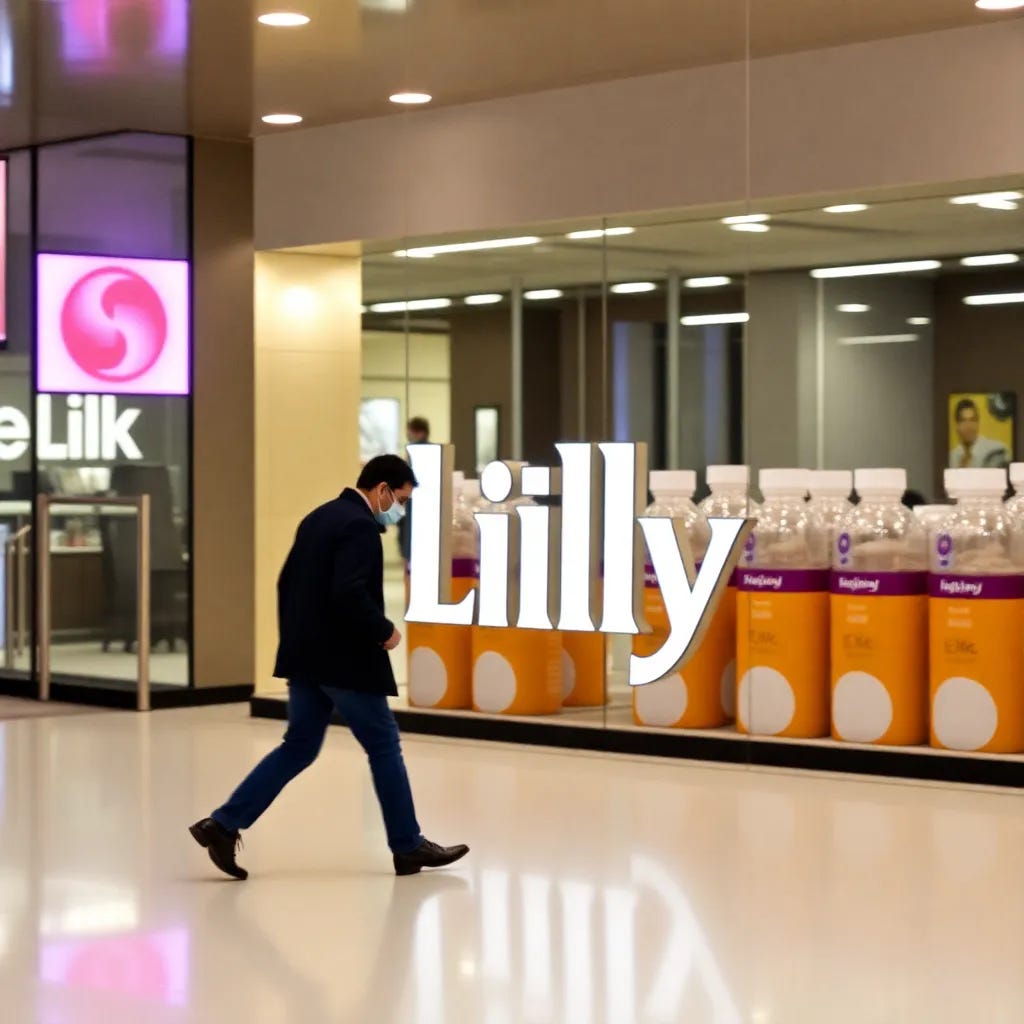
Analysis of the Decline
Lower sales and earnings may be meaningful ones for Lilly. Several factors are coming together to bear as the driving forces behind this shift: intensifying competition; supply chain disruptions in addition to a changing world economy. Lilly, meanwhile, is also racing against a host of other companies bringing their own weight-loss and diabetes products on stream so the company has had little choice but to fine-tune its plans in order keep ahead.
GSK’s Vaccine Setback
A Short History Of GSK’s Unit
While a major manufacturer in vaccination marketing, GSK had to work on its position as GODZILLA of immunization and preventive medicine too. For vaccines, it has many different types of diseases, including flu and meningitis. Similarly, this focus on innovation has kept GSK one of the most powerful players in vaccine line; its vaccine branch delivers millions of doses worldwide.
Specific Vaccine Miss
And just yesterday, GSK hit a major roadblock as one of the vaccine programs it was expecting failed to deliver. GSK had been particularly bullish on the vaccine, which the company hoped would match supply and demand in a high-yield disease area that could advance its fortunes. However, the program failed on resultsas clinical trial failures and regulatory setbacks occurred. In addition to impeding the development of the vaccine, these problems have also threatened efforts to provide children in a variety of climates with additional protection against Plasmodium falciparum infections. These efforts include the nearly daily cross-continental shipments of dry ice to increase CO2 churn in exchange for a real step forward out of the highly productive pre-registered nurse coverage territory proportionate to the need to push a new, impactful product out into the titanic market fray via GSK.
Reasons the Vaccine Did Not Work
Failure in Clinical Trial
These results fell far below the expected benchmark for efficacy and led to a delay in regulatory approval. The results of clinical trials are pivotal to government and market approvals, and in the absence of these, there is no hope for vaccine progress. Failure here merely serves to underscore the degree to which vaccine development is difficult and also how high extinction rates for human trials are to end up being, but only underlines that.
Manufacturing Challenges
Apart from the pilot headache, GSK faced some setbacks in its vaccine manufacturing process. Vaccines are manufactured on a large scale and require very controlled environments; any disruption—be that due to issues with equipment, workforce, or external supply of ingredients—will cause huge delays.
Regulatory Hurdles
Finally, regulatory compliance is at the very heart of vaccine manufacturing. The regulatory authorities made further requests to GSK, which further delayed the go-ahead and consequently impacted its launch into a vaccine market by the time it had expected.
Business-Wide Impact on GSK
The disappointments of this vaccine program compound other financial and strategic setbacks for GSK across its broader business goals. The vaccine segment accounts for a large part of GSK revenues, and given the margins in this business, it is likely that they could feel pressure on earnings over the next few quarters due to the miss. It also flags questions over GSK’s research and development (R&D) pipeline's potential to deliver innovative new vaccines timely.
Conclusion
So, in a nutshell, Eli Lilly and GSK are in a jam, which might decide their future for the pharmaceutical industry. The surprise weakness of sales at Lilly in turn raises the specter that there are problems deep-seated with weight loss and diabetes (as well as consequences of all those changes wholesalers have made to how they buy). The GSK vaccine miss, therefore, serves as a reminder of how tough clinical trials in vaccines are regarding the existential problems that the manufacturing and regulatory requirements of these vaccines impose.

It is still unclear whether Lilly or GSK will address such setbacks in the future. If and when Eli Lilly starts their upward movement, that too may demand some subtle changes in marketing or supply chain areas based on the results of this month’s survey. In the future, clinical standards-compliant developments in vaccine R&D and manufacturing might be part of a company’s future, like GSK, which has mentioned exploring options to position its R&D pipeline in new areas while optimizing Rx and CPG. The rest of the pharmaceutical industry—and indeed, global healthcare—will watch both titans as they navigate crises with big stakes.
메타데이터
- post_id
- d7ff992db8bf
- slug
- lillys-stumble-and-gsk-s-vaccine-miss-d7ff992db8bf
- url
- https://medium.com/@awais_8367/lillys-stumble-and-gsk-s-vaccine-miss-d7ff992db8bf
- canonical_url
- https://medium.com/@awais_8367/lillys-stumble-and-gsk-s-vaccine-miss-d7ff992db8bf
- author_url
- https://medium.com/@awais_8367
- status
- ok
- fetched_at
- 2026-06-13 16:00:06