Yom Kippur — What You Should Know about Sin and Atonement
Why the Day of Atonement is so important to us
Yom Kippur — What You Should Know about Sin and Atonement
Why the Day of Atonement is so important to us

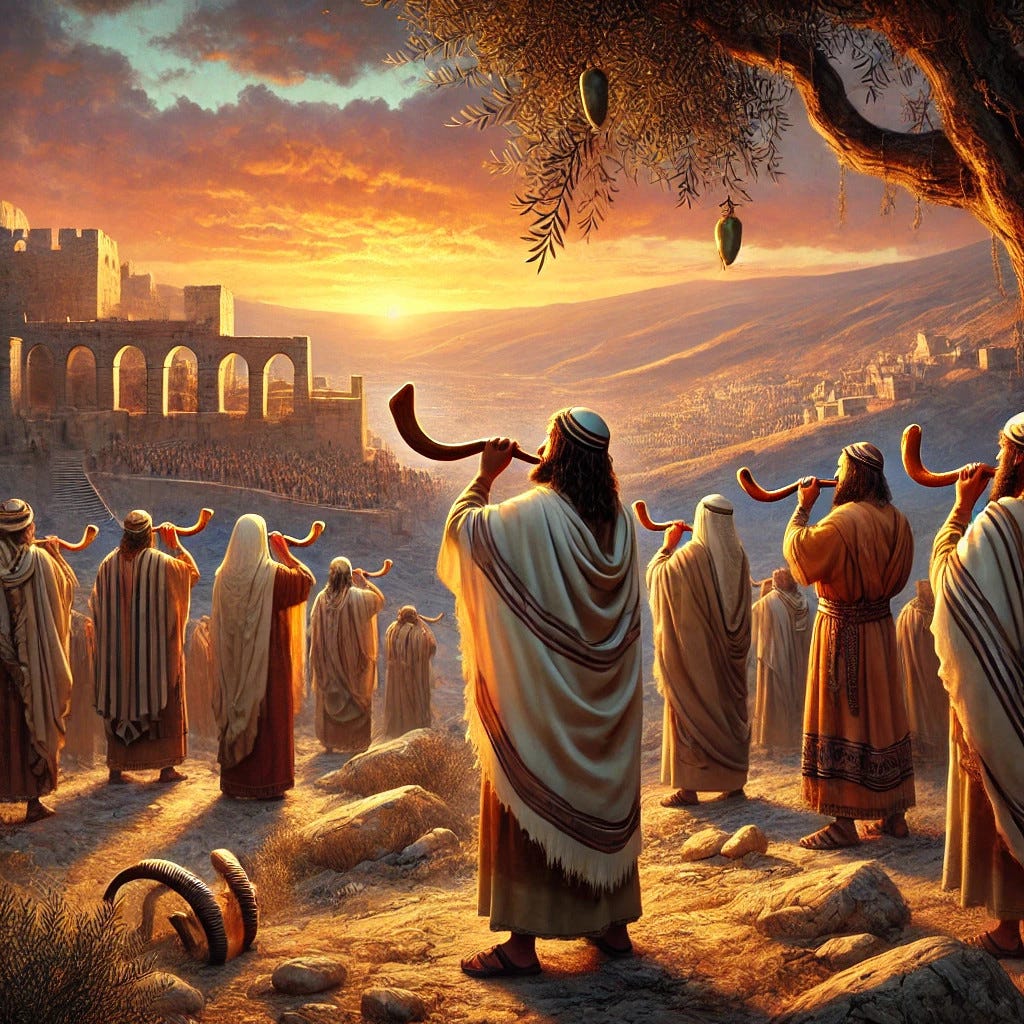
Image: AI generated by author using DALL-E
Yom Kippur is the most important day in the Hebrew calendar. Also known as the Day of Atonement, it is dedicated to the forgiveness of all the sins of the people of Israel.
Since sin permanently separates us from God, the Almighty created Yom Kippur to reunite us with Him. But what is the real effect of sin on us and our relationship with God? Let’s take a look.
The origin of sin
When God created man, He made him in His own image (Genesis 1:27). This does not necessarily mean that people were physically like their creator. But their thoughts and feelings were pleasing to God.
This was a state of purity. Adam and Eve lived in communion with God. In essence, man had a sacred covenant with the Almighty. The only condition for maintaining the covenant was Adam’s obedience to God’s commandments.
One of the commandments was particularly important:
And the LORD God commanded the man, saying, Of every tree of the garden thou mayest freely eat: But of the tree of the knowledge of good and evil, thou shalt not eat of it: for in the day that thou eatest thereof thou shalt surely die. (Genesis 2:16–17, KJV))
When the serpent spoke to Eve, he sowed doubt about this commandment (Gen 3:1). Suddenly, the woman was confronted with two contradictory pieces of information. The clarity of God’s words was gone, and she didn’t know whom to trust.
In the end, Eve decided to eat the fruit. But she didn’t stop there. She gave it to Adam too, and he ate it (Genesis 3:6). As a result, they both realized that they were naked and were ashamed.
And the eyes of them both were opened, and they knew that they were naked; and they sewed fig leaves together, and made themselves aprons. (Genesis 3:7, KJV)
It is interesting to note that nakedness as an image of an intimate and trusting relationship was not a problem until then (Genesis 2:25). It was only through sin that the two people felt uncomfortable and covered themselves.
But the covering created distance not only between the two people, but also between them and God. The intimate bond between the Creator and His creatures was broken. Now another party had entered the relationship. The serpent from the realm of the dead.
Sin, death and Yom Kippur
Through Adam’s sin, death entered the world.
Wherefore, as by one man sin entered into the world, and death by sin; and so death passed upon all men, for that all have sinned: (Romans 5:12, KJV)
Because of the disobedience of the first humans, their descendants lived in a kind of dualism. They knew God. But they also knew and served his adversary.
So there were two masters for whom man could choose. God always relied on free will. Satan, on the other hand, relied on manipulation, lies and fear to win people over.
We still face this dilemma today. We must decide which Lord we serve. Yom Kippur is the day of the year when we must make a final choice.
Yom Kippur and reconciliation
Yom Kippur is a Hebrew term made up of two words.
- Yom: It means day.
- Kippur: It comes from the word kaphar and is often translated as covering or atonement.
This means that the Day of Atonement can be understood as the day when our sins are covered. They are no longer visible to our Heavenly Father because Jesus has covered them with His blood.
The scapegoat that was to be sent into the wilderness is a symbol of this (Leviticus 16:10). From Jewish tradition we know that this goat was not only to be sent into the wilderness but also thrown over a cliff so that it would not return.
But the Hebrew word kaphar has another meaning that we will look at. This meaning shows us that not only does Jesus work on Yom Kippur, but that we must also do our part.
Breaking the covenant with death
The prophet Isaiah speaks of the people of Jerusalem making a covenant with death.
Wherefore hear the word of the LORD, ye scornful men, that rule this people which is in Jerusalem. Because ye have said, We have made a covenant with death, and with hell are we at agreement; when the overflowing scourge shall pass through, it shall not come unto us: for we have made lies our refuge, and under falsehood have we hid ourselves: (Isaiah 28:14–15, KJV)
I think there are two levels to this prophecy. Isaiah was certainly speaking to the Jews of his day. But a few verses earlier he had spoken to Ephraim, a northern tribe that was not identical with the Jews (Isaiah 28:1).
Could it be that the prophecy is primarily addressed to those who see their home in the heavenly Jerusalem? Then the words would be timeless and would also apply to us.
This begs the question: Have we made a covenant with death? Do we sometimes think that nothing will happen to us because of our sin?
God does not think so, for He says
And your covenant with death shall be disannulled, and your agreement with hell shall not stand; when the overflowing scourge shall pass through, then ye shall be trodden down by it. (Isaiah 28:18, KJV— bolded by author)
The bolded part of the verse corresponds to the word kaphar in the Hebrew scripture. This gives us another possible meaning for Yom Kippur. It is the day of the dissolution or termination of covenants and treaties with the kingdom of the dead.
Our task on Yom Kippur
Through sin, we are in a covenant with death and the kingdom of the dead. On Yom Kippur we have to break this covenant. That is why God has given us the following commandment:
And this shall be a statute for ever unto you: that in the seventh month, on the tenth day of the month, ye shall afflict your souls, and do no work at all, whether it be one of your own country, or a stranger that sojourneth among you: (Leviticus 16:29, KJV)
We are to humble our souls. In traditional Judaism, this is often equated with fasting, abstaining from food and drink. Those who do not eat or drink for a long time will die.
Could we understand this act as a way of paying our debt to the realm of the dead? Is it not the case that by humbling our souls and fasting, we are signalling that we want to bear the consequences of our sin?
Because Jesus paid the price, He ultimately takes our place. Nevertheless, we must do our part and clarify that we will only follow Him as our Lord in the future. And we do this by obeying His commandments. Keeping Yom Kippur is one of them.
I wish you a blessed holiday.
This article was originally published on Torah-in-Family.de in German language.
Thank you for reading to the end! If you enjoyed this post, please don’t forget to:
- Follow me to never miss upcoming articles.
- Leave some claps and share your thoughts in the responses. I’d love to hear what you think!
- Support my work with a tip via PayPal.
Your support motivates me to keep producing content that informs, inspires, and entertains. Thank you for your time and generosity!
메타데이터
- post_id
- d84e5be35f7f
- slug
- yom-kippur-what-you-should-know-about-sin-and-atonement-d84e5be35f7f
- url
- https://medium.com/@rudy.mentaire/yom-kippur-what-you-should-know-about-sin-and-atonement-d84e5be35f7f
- canonical_url
- https://medium.com/@rudy.mentaire/yom-kippur-what-you-should-know-about-sin-and-atonement-d84e5be35f7f
- author_url
- https://medium.com/@rudy.mentaire
- status
- ok
- fetched_at
- 2026-07-19 21:04:01