Esmé, the Scene, and All It Means
A tale of limerance, illusion, and obsession unto death.
Esmé, the Scene, and All It Means
A tale of limerance, illusion, and obsession unto death.
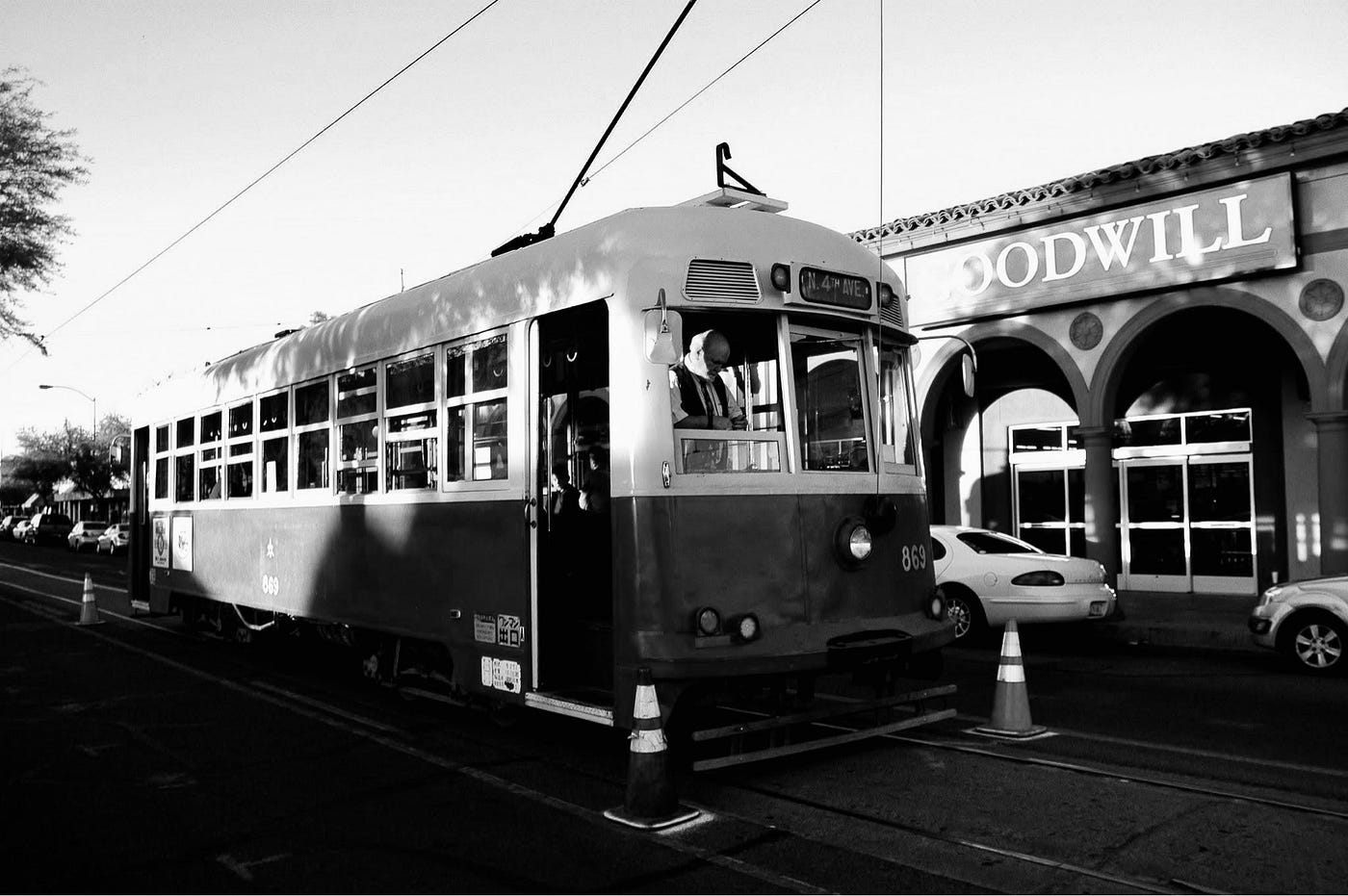
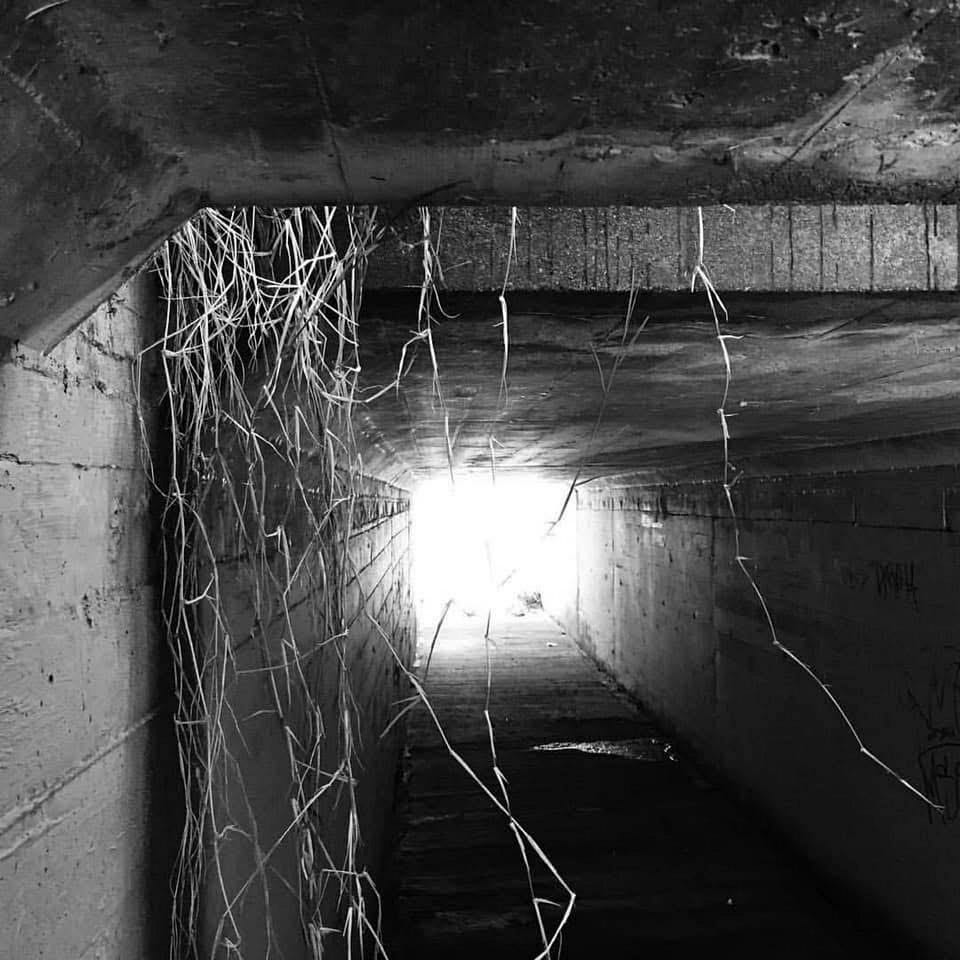
Photo by author
In the 80s, I used to go to a hip, downtown club that featured both local bands and indie touring acts. The music was good, and the drinks were cheap. But mostly, I went to see HER.
Her name was Esmeralda Villar, but everyone called her Esmé. Probably because no one could pronounce “Esmeralda” when they were drunk on tequila shots and dehydrated from the desert heat.
She was beautiful, sure, but more than that, she was curated. Every outfit looked like it had been flown in from Paris by way of New York City. She had that rich-girl confidence, the kind that said, “I don’t care what you think. I don’t need anyone or anything.”
She lived in a 1920s bungalow near the university that her parents had bought her for school. No one ever saw her study, but her afterparties were legendary. I never got into one of these, except for one time later. I was a nobody.
I would walk past her house, eating a Circle K burrito, listening to the party sounds coming through the windows. I would picture her on a velvet chaise, sipping an amethyst-colored cocktail while someone read Rimbaud out loud.
Then I joined a band. I played keyboards, putting my childhood piano lessons to work. Our singer, Willa, was really good — a talented tomboy beauty who wore steel-toed boots. She wrote perfect sad songs with cryptic titles like Blood Orange for One. I should have fallen in love with Willa, but I was still stuck on Esmé. Not that either of them would have had me.
One night after a show, Willa asked, “Should we just go to the party?”
I laughed, but then we actually did. We walked there, sweaty and underdressed. No one stopped us. Maybe we were cool now, or maybe it was just late and nobody cared.
Inside, it felt dream-like, everything warm and hazy. Esmé moved through the rooms as if she were gliding. I stood in a corner with the beer I had brought with me.
One time she brushed past me to ash her cigarette, but she didn’t look up at me. That was the closest I had ever been to her.
Then things changed for Esmé.
Her dad got arrested for something involving money laundering and cartels. We watched the story on the local news at practice, eating cold pizza and pretending we weren’t interested. His imprisonment and the loss of the family’s foothills home changed everything.
Esmé’s mother moved into the bungalow with her. They sold the expensive furniture. The afterparties stopped.
Esmé even got a job working as a cocktail waitress at the club where I had first seen her. She tried to start a side-business selling fancy hats. They came from a local guy named Fernie, who convinced her that the hats were imported from Paris.
She wore one of her hats to the First Friday art walk. It was tall and cylindrical.
Some girl behind her snarked to a friend, “Those hats aren’t part of any fashion trend I’ve seen. They’re unauthorized eccentricities.”
The girls giggled maliciously. The phrase caught on, and a week later, a local band was playing a song called Unauthorized Eccentricities. Not long after that, Esmé disappeared from the scene entirely.
People guessed that she left for New York or Paris. Maybe she went to fashion school. Maybe she got an internship at Vogue. Someone said she married a Spanish photographer twice her age.
I kept waiting for her to show up again, but life went on. I moved to San Francisco with Willa and the band. Willa now had a boyfriend who was a plumber. He was a good guy who maybe said “right on” a little too much. He came along with us as a roadie.
We played a few shows there, but our band never took off. Maybe we were too Tucson for San Francisco, or maybe we just weren’t good enough.
Eventually, we gave up and drifted back home. I took a job at the university library, shelving books and working the front desk. Willa lived a happy life with her plumber.
A year passed. I wondered if I would ever see Esmé again.
Then a friend mentioned they had seen her. “She lives in the dorms now,” they said. “She’s actually going to school.”
A few weeks later, I saw her at the library. She looked different. Still beautiful, but a little faded around the edges. She spoke in a fake British accent and dropped weird references like, “Back when I was dating Nick from Duran Duran,” or, “When I was living in Notting Hill with my model friends.”
I was pretty sure she was making this stuff up, but I didn’t care. I acted like I didn’t remember her earlier days in Tucson.
We started hanging out together, having long conversations in which she bragged about the famous guys she had dated.
She said things like, “You’re such a good friend,” and, “You’re the only one who gets me.”
I nodded and pretended that was enough for me.
Eventually, I couldn’t take it. I developed some pride. I stopped answering her phone calls — not that she was trying very hard to contact me.
After that, she faded again. People said she dropped out of school. A friend saw her in the waiting room of his therapist’s office.
“She’s put on weight,” he said. “Looks different. Maybe it’s the psych meds.”
This made me want to see her even more. Maybe now she would settle for a guy like me.
I started driving around Tucson more than I needed to. Up and down Fourth Avenue, through downtown, around the University, just in case I might see her. But I had no idea what I would do if I did see her.
And then one day, there she was. She was coming out of a thrift store on Fourth Avenue, wearing a floppy sunhat, sunglasses, and a long gauzy skirt — all very boho.
My heart started pounding out of my chest. I circled the block looking for parking. I found a spot and ran in the direction she had gone.
Then I felt the pain.
It hit my chest like a truck. I collapsed on the sidewalk.
I was dead for several minutes before I was revived. It changed me. It scrambled my brain. My speech slowed down. I couldn’t find words when I needed them. I knew what I wanted to say, but I couldn’t make the words come out.
Years passed, and I saw her one last time. Or maybe it wasn’t her. This woman walked up and down Fourth Avenue carrying a big umbrella that always shielded her face. Something in the way she moved reminded me of Esmé. I became obsessed and looked for her every day after work.
One afternoon, I saw her sitting on the patio at the Chocolate Iguana, a small cafe and gift shop. I sat two tables away from her, my heart pounding and chest tightening. I knew that, with my health problems, it wasn’t wise to get excited like this.
I worked up my courage and stood to approach her.
That’s when everything went sideways. My arm went numb and useless. My face froze in a lopsided expression of shock. I collapsed a few feet from her.
With my last bit of strength, I looked up and saw her face revealed at last. She wasn’t my Esmé.
The Umbrella Lady stood up in anger and walked away.
메타데이터
- post_id
- d84f681064d8
- slug
- esmé-the-scene-and-all-it-means-d84f681064d8
- url
- https://medium.com/never-stop-writing/esm%C3%A9-the-scene-and-all-it-means-d84f681064d8
- canonical_url
- https://medium.com/never-stop-writing/esm%C3%A9-the-scene-and-all-it-means-d84f681064d8
- author_url
- https://medium.com/@jimparks
- status
- ok
- fetched_at
- 2026-06-21 20:33:08