Understanding the Impact of Sleep Apnea on Your Energy
The Hidden Reason Behind Constant Fatigue
Understanding the Impact of Sleep Apnea on Your Energy
The Hidden Reason Behind Constant Fatigue
Many people assume that feeling tired all the time is just a part of modern life. Busy work schedules, family responsibilities, late-night screen use, and stress are often seen as the main reasons for low energy. But there is a clear difference between feeling tired after a long day and waking up every morning still exhausted.
If you regularly sleep for seven to eight hours yet still wake up drained, the issue may not be the amount of sleep you’re getting — but the quality of that sleep. For many individuals, the real problem is poor restorative sleep. One of the most overlooked causes of this is sleep apnea, a condition that affects breathing during the night and prevents the body from fully recovering.
Studies from sleep health organizations suggest that millions of adults live with obstructive sleep apnea, and many of them don’t even know it. Since the symptoms develop slowly, people often blame stress, aging, or lifestyle habits for their constant fatigue, when in reality a treatable sleep disorder may be responsible.

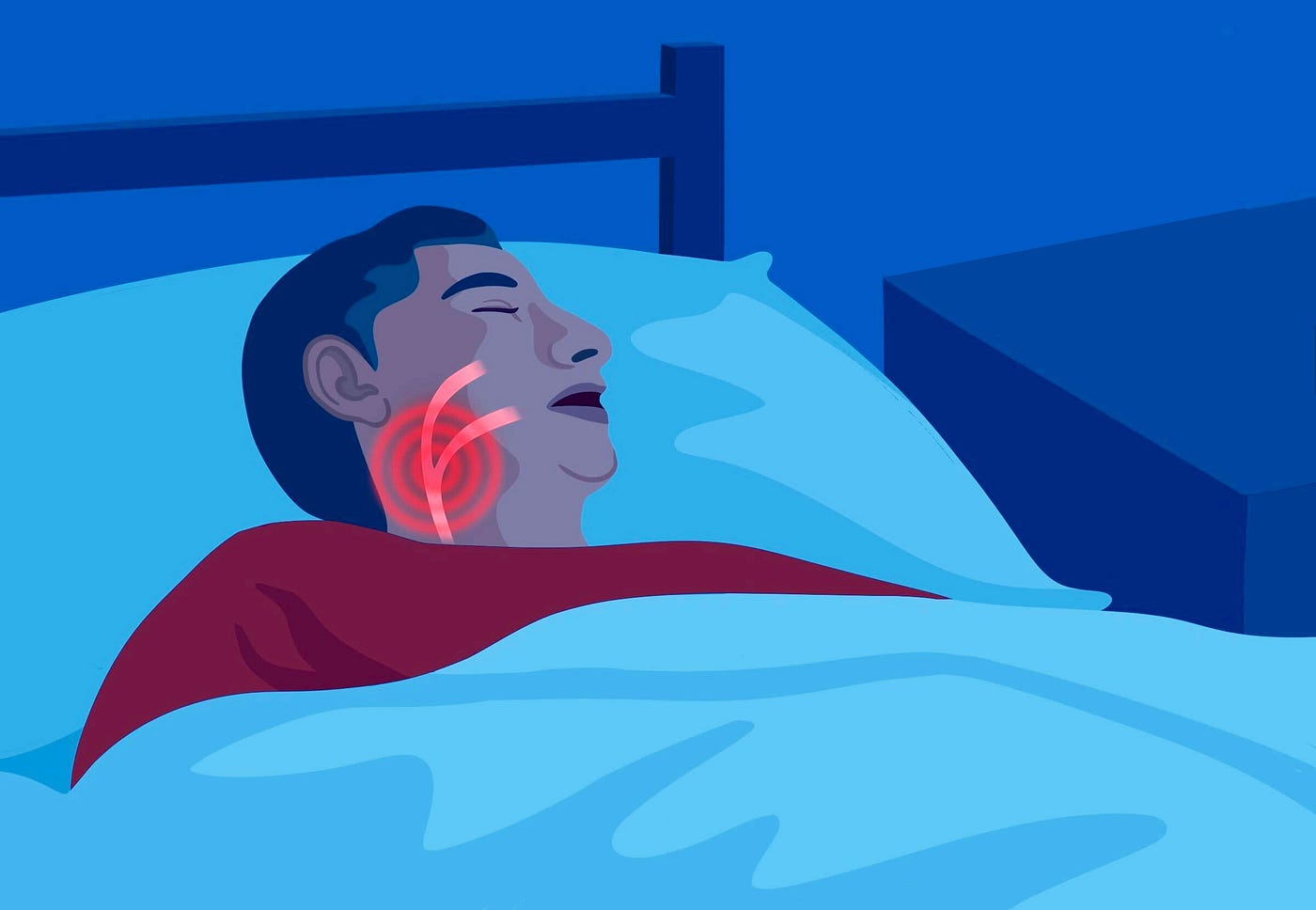
Adult experiencing daytime fatigue due to sleep apnea
Sleep Apnea and the Disrupted Sleep Cycle
Sleep apnea is a condition where breathing repeatedly stops and starts during sleep. These pauses can last a few seconds or even longer and may happen many times throughout the night.
The most common type, obstructive sleep apnea, occurs when throat muscles relax too much and block the airway. When breathing stops, the brain quickly detects a drop in oxygen levels and briefly wakes the body up to restart breathing.
Most of these micro-awakenings are so short that you won’t remember them, but they continuously interrupt the sleep cycle. Instead of moving smoothly through deep sleep and REM sleep, the body stays stuck in lighter sleep stages. As a result, the natural process of physical and mental recovery is disrupted night after night.
The Connection Between Oxygen Levels and Daytime Energy
Oxygen plays a vital role in how your body produces energy. Every cell depends on a steady oxygen supply to function properly.
When breathing is repeatedly interrupted during sleep, oxygen levels fluctuate throughout the night. This forces the heart and nervous system to stay more active than they should during rest.
Over time, this can lead to a feeling of constant exhaustion. Many people with sleep apnea describe their fatigue as different from normal tiredness — it feels ongoing, heavy, and present from the moment they wake up.

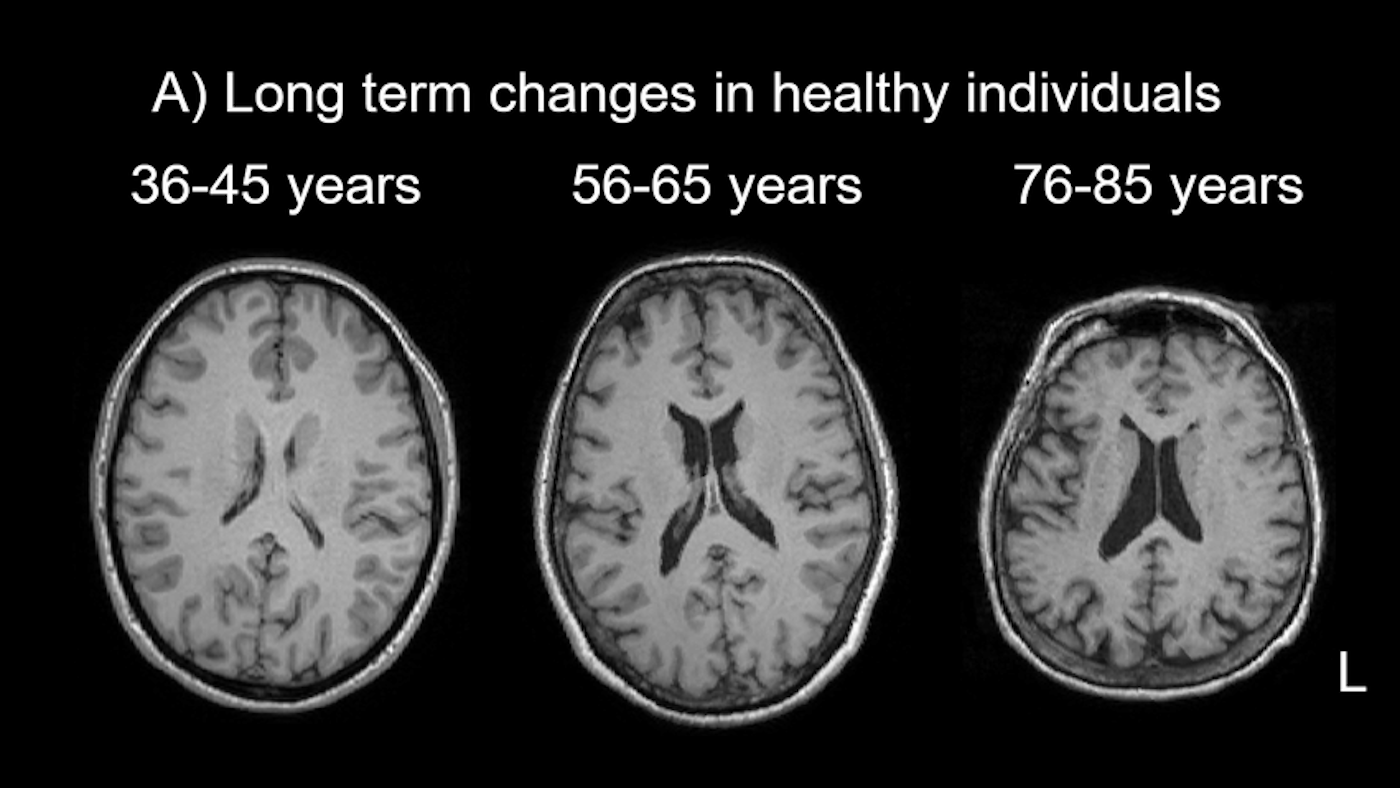
Comparison showing fragmented sleep caused by sleep apnea
Physical Exhaustion Beyond Lack of Sleep
Deep sleep is the body’s natural recovery phase. During this time, tissues repair, hormones are balanced, immunity is strengthened, and energy stores are replenished.
When sleep is constantly broken, this recovery process becomes incomplete. People often notice that even simple daily tasks start to feel harder. Activities like climbing stairs, doing household chores, or staying active during the day may require much more effort than before.
Mental Performance, Focus, and Productivity
Sleep apnea doesn’t just affect the body — it also impacts the brain.
Poor sleep quality can reduce concentration, slow down thinking, and weaken memory. When the brain is repeatedly interrupted during the night, it struggles to complete important processes like memory storage and learning.
This often leads to brain fog, forgetfulness, difficulty focusing, and reduced productivity during the day. Over time, even small drops in attention can affect work performance and daily responsibilities.

Emotional Well-Being and Daily Functioning
Sleep also plays a major role in emotional balance. When sleep is poor, mood regulation becomes harder.
People with sleep apnea may feel more irritable, unmotivated, or emotionally drained. These changes can affect relationships, work interactions, and overall quality of life.
Warning Signs That Should Not Be Ignored
Some common signs that sleep may be affected include loud snoring, excessive daytime sleepiness, morning headaches, dry mouth after waking up, difficulty concentrating, memory issues, or waking up suddenly gasping for air.
While these symptoms don’t always confirm sleep apnea, consistent patterns should not be ignored, especially when fatigue starts affecting daily life.
The Long-Term Health Impact of Untreated Sleep Apnea
Sleep apnea is more than just a cause of tiredness. If left untreated, it may contribute to long-term health risks due to repeated drops in oxygen levels and poor sleep quality.
This is why identifying and addressing the condition early is important — not just for better energy, but for overall health and well-being.
Modern Approaches to Sleep Assessment
Today, identifying sleep problems has become much easier. People no longer need to accept constant fatigue as normal.
Sleep studies can now be done in clinics or even at home using testing devices that monitor breathing and sleep patterns. Organizations like Delta Sleep have helped make sleep testing more accessible for individuals who struggle with snoring, fatigue, or poor sleep quality.
These assessments help identify the root cause of sleep issues so that proper treatment can be planned.
Frequently Asked Questions
Can sleep apnea cause fatigue even after eight hours of sleep?
Yes. Sleep apnea disrupts the restorative stages of sleep, meaning a person may spend enough time in bed but still wake up feeling exhausted.
Is snoring always a sign of sleep apnea?
Not necessarily. However, loud and persistent snoring combined with daytime fatigue may indicate an underlying sleep-related breathing disorder.
Can home sleep testing identify sleep apnea?
Home sleep testing can help detect signs of obstructive sleep apnea in many individuals and may be recommended in appropriate situations.
Why does sleep quality matter more than sleep duration?
Sleep duration measures time spent sleeping, while sleep quality reflects how restorative that sleep actually is. Both factors are important for maintaining healthy energy levels.
Final Thoughts
Persistent fatigue can quietly influence nearly every aspect of life. It can affect physical performance, mental clarity, emotional well-being, workplace productivity, and overall quality of life. When exhaustion becomes a daily companion despite spending adequate time in bed, it may be worth looking beyond lifestyle factors alone.
Sleep is one of the body’s most powerful recovery mechanisms, yet its effectiveness depends on quality as much as quantity. Understanding the role that sleep apnea can play in disrupting restorative sleep allows individuals to make more informed decisions about their health and well-being.
For many people, recognizing the connection between sleep quality and energy levels becomes the first step toward understanding why they have felt exhausted for so long. Sometimes the answer is not getting more sleep — it is getting better sleep.
In recent years, awareness around sleep health and diagnostic options has increased, with platforms like Delta Sleep offering resources that help individuals explore sleep assessment and better understand their sleep patterns in a more informed way.
메타데이터
- post_id
- d8648d68a583
- slug
- understanding-the-impact-of-sleep-apnea-on-your-energy-d8648d68a583
- url
- https://medium.com/@ksharma7335/understanding-the-impact-of-sleep-apnea-on-your-energy-d8648d68a583
- canonical_url
- https://medium.com/@ksharma7335/understanding-the-impact-of-sleep-apnea-on-your-energy-d8648d68a583
- author_url
- https://medium.com/@ksharma7335
- status
- ok
- fetched_at
- 2026-08-19 17:29:52