Cameras Calibrated for Caucasians: Unmasking Tech’s Racist Roots
In a world where technology promises convenience and precision, a silent glitch lurks: devices designed for light skin often ignore or…
Cameras Calibrated for Caucasians: Unmasking Tech’s Racist Roots
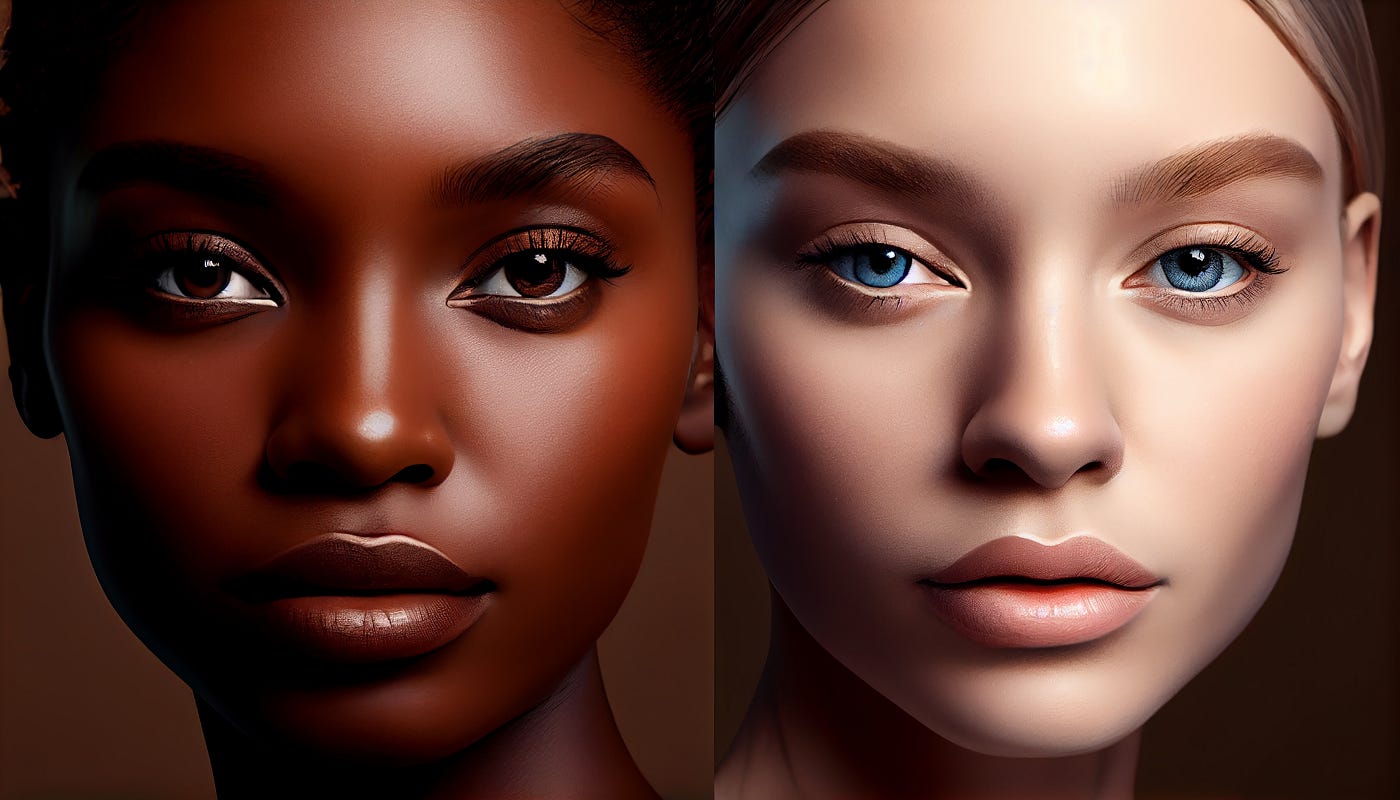
In a world where technology promises convenience and precision, a silent glitch lurks: devices designed for light skin often ignore or misread dark skin. This isn’t hyperbole or isolated anecdotes — it’s physics. Higher-melanin skin absorbs light rather than reflecting it, fooling sensors in soap dispensers, pulse oximeters, cameras, and phones. From hygiene fails in hospitals to life-threatening misreads during COVID-19, these biases reveal how unrepresentative design endangers billions. Let’s unpack the science, history, and human cost, and explore paths forward.
The Physics at Play
At the heart of this issue lies light reflection — or the lack thereof. Infrared sensors power automatic soap dispensers, touchless faucets, and even some phone proximity detectors. These emit light and measure the bounce-back to detect presence. Pale skin reflects up to 40–50% of infrared light, triggering activation reliably. Darker skin, packed with eumelanin, absorbs 90% or more, leaving sensors “blind.” Viral videos from offices, hotels, and healthcare settings show dark hands waved futilely while light ones get instant soap.
This extends to medical wearables. Pulse oximeters shine red and infrared light through fingertips to gauge blood oxygen via absorption patterns. Melanin interference skews readings upward on dark skin, masking hypoxemia (dangerously low oxygen). During the COVID-19 pandemic, this flaw proved deadly: studies found Black patients were 1.7 to 3 times more likely to have concealed low oxygen levels, delaying hospitalization, ventilators, and care. One analysis of over 10,000 patients showed darker-skinned individuals needed three times longer to qualify for oxygen therapy despite critical need.
Hospitals amplified the tragedy. Soap dispensers in high-stakes environments ignored dark-skinned staff and patients, undermining infection control. It’s not malice — it’s melanin versus mediocre engineering.
Cameras’ Caucasian Legacy
Photography’s bias runs deeper, rooted in decades of light-skinned standards. Kodak’s “Shirley cards,” named after a fair-skinned model, calibrated film and printers from the 1970s onward. Technicians adjusted exposure, white balance, and color for her tones, rendering dark skin washed-out, ashen, or unnaturally light. This “default human” persisted into digital cameras, affecting everything from passport photos to social media filters.
Smartphones inherited the flaw. Early facial recognition systems, trained on 70–80% white datasets, failed dark faces up to 34% more often — think airport e-gates or phone unlocks rejecting users. Beauty apps and Instagram filters, optimized for pale complexions, lightened or distorted dark skin, perpetuating colorism. Google’s Pixel 6 introduced “Real Tone” in 2022, using diverse datasets across 10 skin shades to fix selfies and video calls. Apple and others followed, but legacy biases linger in budget devices and AI training data.
Broader Tech Reckoning
These failures span wearables, scanners, and AI. Fitness trackers misread heart rates on dark wrists due to similar light issues. Airport body scanners and even some ATMs falter with diverse skin tones. The root? Datasets skewed white (often 75%+), physics ignored, and profit over inclusivity. A 2024 BBC review called for urgent regulation, noting biases exacerbate health disparities for the 4 billion people with darker skin globally.
The human toll is stark. COVID data showed Black and Brown patients died at twice the rate of white ones, partly due to oximeter errors. In India and Africa, where darker skin predominates, imported Western tech compounds inequities. Yet progress glimmers: FDA warnings on oximeters, EU mandates for diverse testing, and startups like Blu Nyle developing melanin-robust sensors.
Fixing the Glitch
Solutions demand redesign. Dual-wavelength oximeters (adding green light) improve accuracy by 5–10% on dark skin. Cameras need multi-shade charts like Imatest’s 2025 equity updates. AI ethics pushes for balanced datasets — think 50/50 representation across Fitzpatrick scales (I-VI skin types). Tech giants must audit sensors pre-launch, as Google’s Real Tone proves feasible.
Consumers can push back: demand transparency in device specs, support inclusive brands, and report failures to regulators. Policymakers should enforce skin-tone benchmarks, akin to color-blindness standards.
This isn’t just a glitch — it’s a mirror to society’s blind spots. Tech evolved from horse-drawn carriages to smartphones; ignoring half its users is inexcusable. By confronting melanin head-on, we build tools that serve everyone. The question: Will industry act before the next crisis?
메타데이터
- post_id
- d89f2c4e2d79
- slug
- cameras-calibrated-for-caucasians-unmasking-techs-racist-roots-d89f2c4e2d79
- url
- https://medium.com/write-a-catalyst/cameras-calibrated-for-caucasians-unmasking-techs-racist-roots-d89f2c4e2d79
- canonical_url
- https://medium.com/write-a-catalyst/cameras-calibrated-for-caucasians-unmasking-techs-racist-roots-d89f2c4e2d79
- author_url
- https://medium.com/@vivek.minz3
- status
- ok
- fetched_at
- 2026-07-13 08:10:45