The Silent Health Conditions a Routine Blood Test Can Catch
Many health conditions develop quietly, showing little to no symptoms in their early stages. By the time noticeable signs appear, the…
The Silent Health Conditions a Routine Blood Test Can Catch
Many health conditions develop quietly, showing little to no symptoms in their early stages. By the time noticeable signs appear, the condition may have already progressed, making treatment more challenging. This is why routine blood tests play a crucial role in preventive healthcare. A simple blood test can provide valuable insights into your body’s functioning and help detect underlying health issues before they become serious.
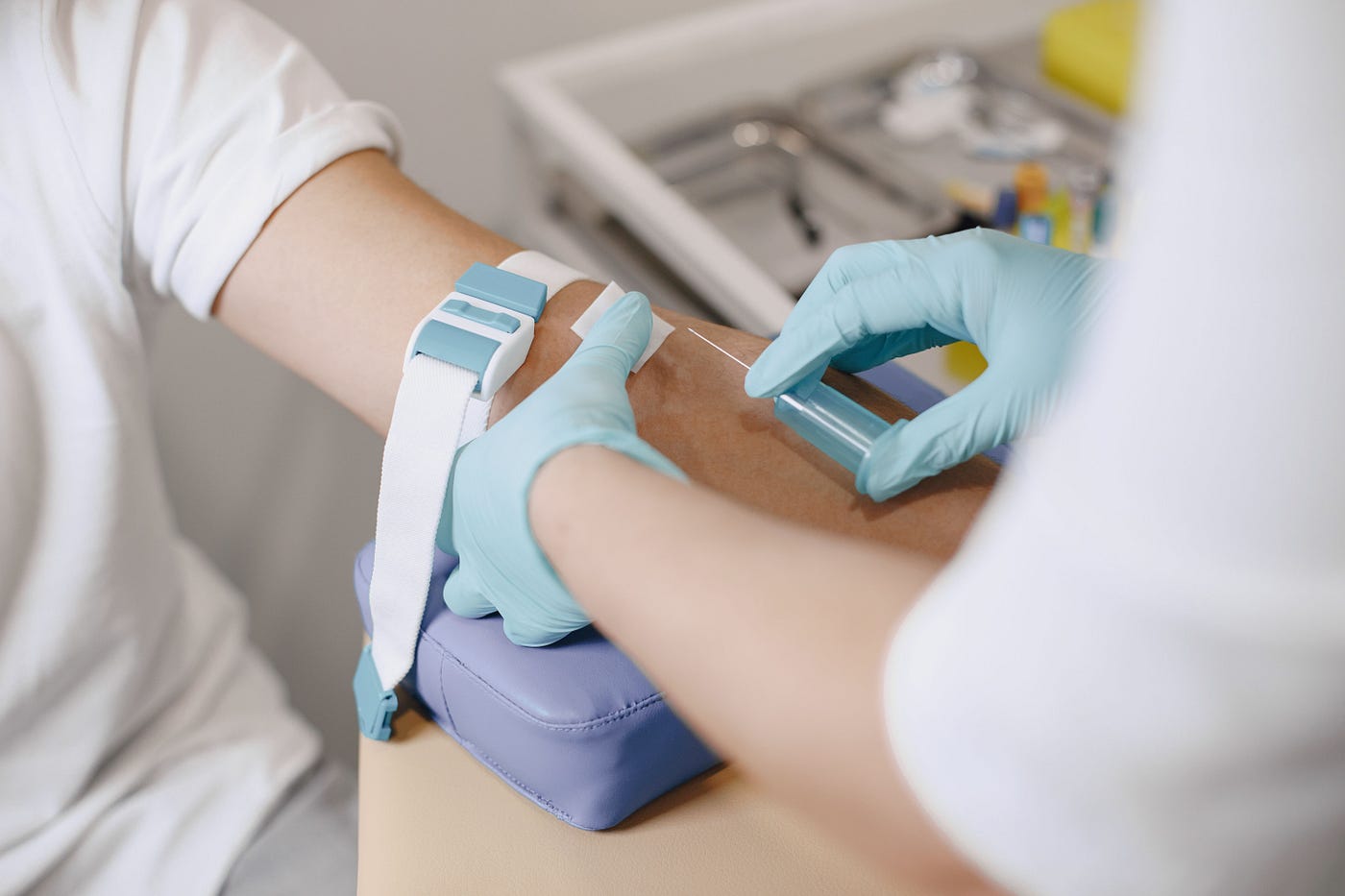
Let’s explore some of the silent health conditions that a routine blood test can identify and why regular testing is an important part of maintaining your health.
Why Routine Blood Tests Matter
Blood carries essential information about your body’s overall health. It transports oxygen, nutrients, hormones, and waste products throughout the body. Changes in blood components can often indicate the presence of disease or health imbalances long before symptoms arise.
Routine blood tests can help healthcare professionals monitor organ function, assess nutritional status, identify infections, and detect chronic conditions in their earliest stages.
1. Diabetes and Prediabetes
One of the most common conditions detected through routine blood testing is diabetes. Many people with prediabetes or early-stage diabetes experience no symptoms at all.
Tests such as fasting blood sugar and HbA1c can reveal elevated glucose levels that may indicate:
- Prediabetes
- Type 2 diabetes
- Poor blood sugar control
Early detection allows individuals to make lifestyle changes that can delay or even prevent the progression of diabetes and reduce the risk of complications such as heart disease, kidney damage, and nerve problems.
2. Anemia
Anemia occurs when the body does not have enough healthy red blood cells or hemoglobin to carry adequate oxygen throughout the body.
While severe anemia can cause fatigue, dizziness, and weakness, mild anemia often develops gradually and may go unnoticed.
A Complete Blood Count (CBC) can detect:
- Low hemoglobin levels
- Reduced red blood cell count
- Iron-deficiency anemia
- Vitamin B12 or folate deficiency-related anemia
Identifying anemia early helps address the underlying cause before it significantly impacts daily life and overall health.
3. Thyroid Disorders
The thyroid gland plays a critical role in regulating metabolism, energy levels, body temperature, and hormone balance.
Both hypothyroidism (underactive thyroid) and hyperthyroidism (overactive thyroid) can develop slowly, with symptoms often mistaken for stress, aging, or lifestyle factors.
Routine thyroid function tests can help detect:
- Elevated Thyroid-Stimulating Hormone (TSH)
- Low thyroid hormone levels
- Hormonal imbalances affecting metabolism
Early diagnosis can prevent complications and improve quality of life through appropriate treatment and monitoring.
4. High Cholesterol
High cholesterol is often referred to as a “silent condition” because it usually produces no noticeable symptoms.
A lipid profile blood test measures:
- Total cholesterol
- LDL (bad cholesterol)
- HDL (good cholesterol)
- Triglycerides
Elevated cholesterol levels can increase the risk of heart disease, stroke, and blocked arteries. Routine screening allows individuals to take preventive measures through diet, exercise, and medical management when necessary.
5. Liver Disease
The liver performs hundreds of essential functions, including filtering toxins, processing nutrients, and supporting digestion.
Early liver disease may not cause any symptoms. Blood tests that evaluate liver function can identify:
- Liver inflammation
- Fatty liver disease
- Hepatitis-related changes
- Liver damage
Detecting liver abnormalities early can significantly improve treatment outcomes and help prevent long-term complications.
6. Kidney Problems
Kidneys help remove waste products and maintain fluid balance in the body. Unfortunately, kidney disease often develops silently over many years.
Routine blood tests can assess kidney function by measuring:
- Creatinine levels
- Blood Urea Nitrogen (BUN)
- Estimated kidney filtration rates
Early identification of kidney dysfunction enables timely intervention and helps reduce the risk of kidney failure.
7. Vitamin and Nutritional Deficiencies
Many people experience nutritional deficiencies without realizing it. Symptoms such as fatigue, poor concentration, hair loss, mood changes, or weakened immunity are often attributed to a busy lifestyle rather than an underlying deficiency.
Blood tests can identify deficiencies in:
- Vitamin D
- Vitamin B12
- Iron
- Folate
Correcting these deficiencies can improve energy levels, immune function, cognitive performance, and overall well-being.
8. Inflammation and Infection
Certain blood markers can indicate inflammation or infection within the body, even when symptoms are mild or absent.
Healthcare providers may use blood tests to evaluate:
- White blood cell counts
- C-reactive protein (CRP)
- Other inflammatory markers
These tests can help identify ongoing infections, autoimmune conditions, or inflammatory diseases that require further evaluation.
9. Heart Disease Risk Factors
Heart disease remains one of the leading causes of death worldwide. Fortunately, many cardiovascular risk factors can be identified through routine blood testing.
Blood tests can assess:
- Cholesterol levels
- Blood sugar levels
- Inflammatory markers
- Kidney function related to cardiovascular health
When combined with blood pressure monitoring and lifestyle assessment, these tests help create a comprehensive picture of heart health.
Who Should Consider Routine Blood Testing?
Routine blood testing can benefit adults of all ages, especially those who:
- Have a family history of chronic disease
- Experience unexplained fatigue or weakness
- Are managing existing health conditions
- Are over the age of 40
- Have lifestyle risk factors such as smoking, obesity, or inactivity
- Want to take a proactive approach to their health
Even individuals who feel healthy can benefit from periodic health screenings, as many conditions remain silent during their early stages.
The Power of Early Detection
One of the greatest advantages of routine blood testing is the opportunity for early intervention. Detecting health concerns before symptoms develop allows for more effective treatment, better disease management, and improved long-term outcomes.
A simple blood test can provide valuable insights into your overall health and help uncover hidden conditions that might otherwise go unnoticed. By making routine blood testing part of your preventive healthcare routine, you can take an active role in protecting your health and well-being.
Final Thoughts
Many serious health conditions begin silently, without obvious warning signs. Diabetes, anemia, thyroid disorders, high cholesterol, liver disease, kidney problems, and nutritional deficiencies can all develop quietly while affecting your body’s health behind the scenes.
Routine blood tests serve as a powerful tool for early detection and prevention. Whether performed during an annual health check-up or as part of ongoing health monitoring, these tests can provide critical information that supports timely diagnosis and treatment.
Investing in regular blood testing today can help you identify potential health concerns early and support a healthier future.
메타데이터
- post_id
- d8b893aafbe3
- slug
- the-silent-health-conditions-a-routine-blood-test-can-catch-d8b893aafbe3
- url
- https://medium.com/@jprhomehealthcare/the-silent-health-conditions-a-routine-blood-test-can-catch-d8b893aafbe3
- canonical_url
- https://medium.com/@jprhomehealthcare/the-silent-health-conditions-a-routine-blood-test-can-catch-d8b893aafbe3
- author_url
- https://medium.com/@jprhomehealthcare
- status
- ok
- fetched_at
- 2026-07-07 09:05:48