BOOSTING EFFICIENCY WITH LIGHT GAUGE STEEL PANEL LIFTING PLANS
In today’s demanding construction landscape, the successful installation of light gauge steel (LGS) panels depends on more than just…
BOOSTING EFFICIENCY WITH LIGHT GAUGE STEEL PANEL LIFTING PLANS

In today’s demanding construction landscape, the successful installation of light gauge steel (LGS) panels depends on more than just quality materials — it requires careful crane and lifting planning from start to finish. Whether you’re delivering a commercial development, residential housing project, or industrial facility, every lift must be coordinated with safety, efficiency, and precision in mind. From selecting the right crane and lifting equipment to planning site access, load capacities, and installation sequences, a well-structured lifting strategy helps minimize risks, avoid costly delays, and keep projects on schedule. This guide explores the key principles of crane and lifting planning for light gauge steel panels, providing practical insights and proven best practices that project managers, engineers, and construction teams can use to achieve safe, smooth, and productive installations.
Understanding Light Gauge Steel Panel Systems
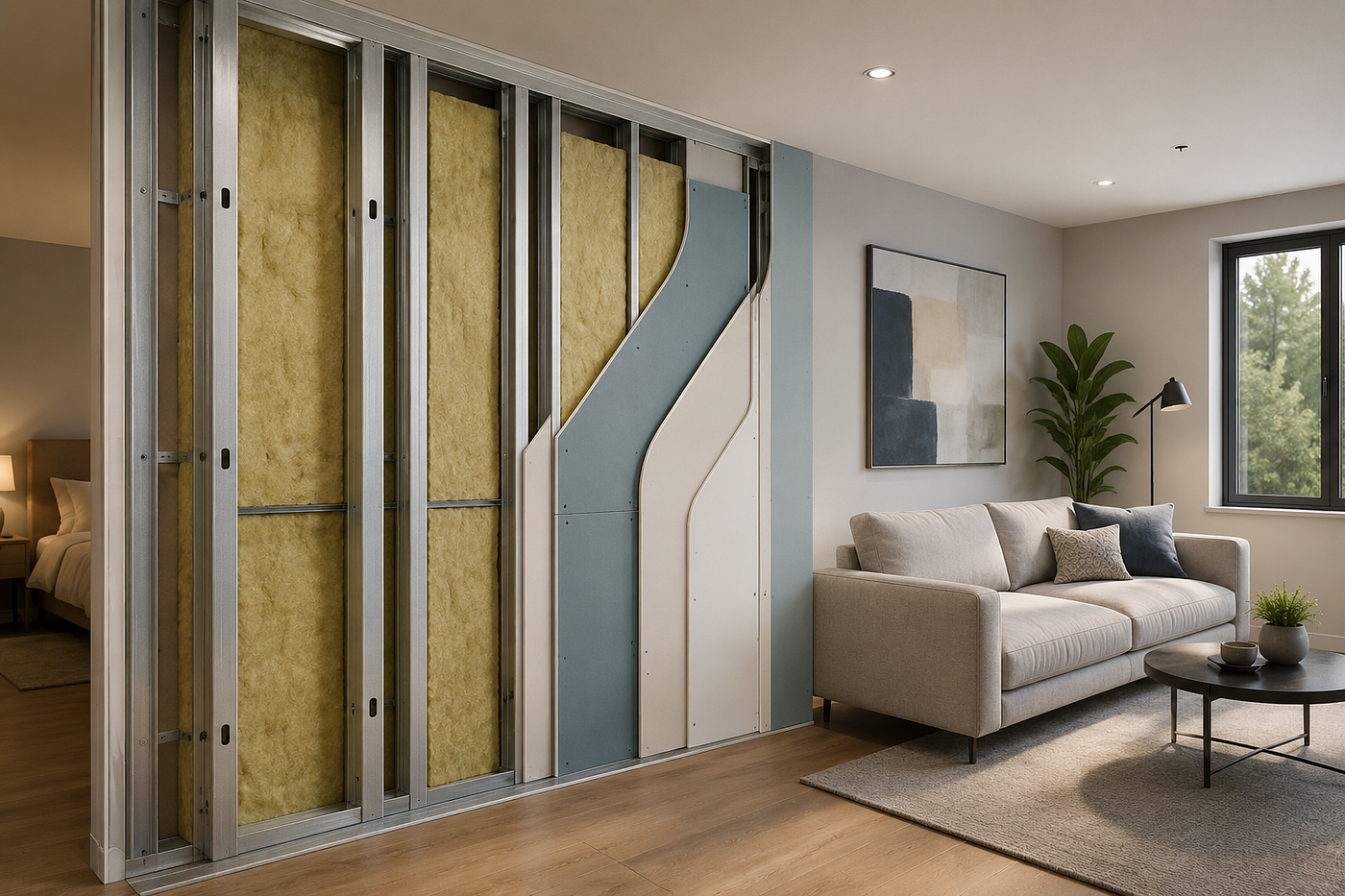
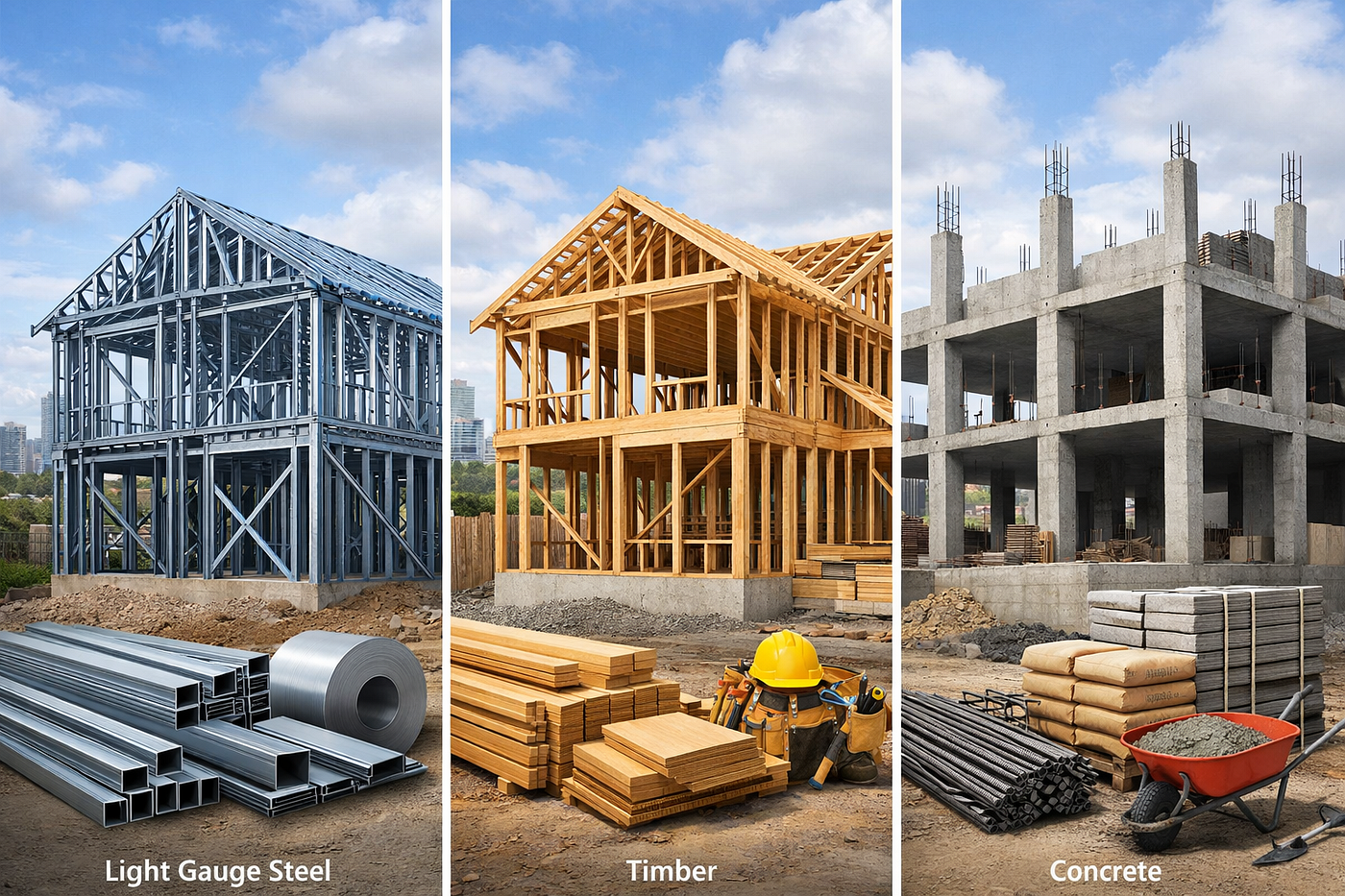
Light gauge steel (LGS) panel systems have transformed the way modern buildings are designed and constructed. Combining impressive strength with a lightweight structure, these panels provide a versatile solution for wall assemblies, roof systems, and exterior cladding. Commonly manufactured in thicknesses ranging from 12 to 20 gauge, they offer the durability of steel while reducing the weight and complexity associated with traditional construction materials.
Their lighter weight delivers clear benefits throughout a project. Transportation becomes more efficient, on-site handling is easier, and installation can be completed faster with fewer labor demands. At the same time, these advantages come with specific lifting and safety considerations that must be carefully managed during construction.
Key Panel Characteristics
- Weight: Approximately 1.5 to 4.5 lbs per square foot
- Standard Sizes: Typically 4'×8' to 4'×12' panels
- Wind Sensitivity: Large surface areas can be highly affected by wind forces
- Handling Flexibility: Panels require controlled lifting to prevent bending or distortion
- Connection Protection: Attachment points must be safeguarded from damage during movement
Because of their thin profile and broad surface area, light gauge steel panels behave differently from heavier structural steel components during lifting operations. Rather than relying on mass to resist environmental forces, they can catch the wind much like a sail. This makes proper rigging methods, controlled lifting procedures, and close monitoring of weather conditions essential for safe and efficient installation. Careful planning helps protect both the panels and the crews handling them, ensuring a smooth and successful construction process.
Pre-Lift Planning and Site Assessment
Safe and efficient crane operations start well before the first lift takes place. A detailed pre-lift planning process helps identify risks, define responsibilities, and ensure everyone involved understands the procedures required for a successful operation.
01. Site Survey and Hazard Identification Carry out a thorough site inspection to assess overhead power lines, underground utilities, ground stability, access routes, and potential obstructions. Clearly mark exclusion zones and maintain safe working clearances around the lift area.
02. Load Assessment and Crane Selection Determine the total lifting weight, including light gauge steel panels, rigging gear, spreader bars, and lifting attachments. Evaluate dynamic load factors and select a crane with adequate capacity and safety allowances for the planned lift.
03. Weather and Environmental Review Monitor weather forecasts and establish safe operating limits, typically restricting lifts when wind speeds exceed recommended thresholds for light gauge steel panels. Prepare contingency plans to minimize disruptions caused by changing site conditions.
04. Communication and Safety Coordination Establish clear communication procedures, including designated radio channels, standard hand signals, and backup communication methods. Assign qualified spotters and ensure every team member understands their authority to halt operations if safety concerns arise
Rigging Techniques for Light Gauge Steel Panels
Lifting light gauge steel (LGS) panels requires a different approach than conventional structural steel. Because these panels are lighter, more flexible, and often finished with protective coatings, proper rigging methods are essential to prevent distortion, surface damage, and instability during handling.
Spreader Beams and Lifting Frames Adjustable spreader beams and purpose-built lifting frames help distribute loads evenly across the panel width. Using multiple lifting points minimizes bending stresses, maintains panel alignment, and keeps the panel flat and stable throughout the lifting process.
Protective Sling Selection Choose wide nylon or polyester slings fitted with edge protectors to safeguard panel surfaces and coatings. These slings reduce pressure points and help prevent scratches, dents, or finish damage. Chain slings should generally be avoided, as they can mar surfaces and create localized stress concentrations.
Vacuum Lifting Systems For architectural panels or components with high-quality finishes, vacuum lifting systems offer a non-invasive handling solution. By eliminating direct contact from hooks or slings, they significantly reduce the risk of surface damage. Always verify suction capacity, ensure sufficient contact area, and test seal integrity before every lift to maintain safe operation.
Safety Protocols and Risk Mitigation
Safety is the highest priority in any lifting operation. While standard crane safety procedures provide a strong foundation, handling light gauge steel panels introduces unique challenges that demand additional planning, vigilance, and risk-control measures.
Wind Speed Monitoring Monitor wind conditions continuously using anemometers positioned at lifting height. Suspend lifting activities when sustained wind speeds exceed 20 mph or gusts reach 25 mph, as large steel panels can become difficult to control and pose a significant safety risk.
Exclusion Zone Management Establish clearly marked exclusion zones beneath and around suspended loads. No personnel should enter these restricted areas during lifting operations. Whenever possible, use physical barriers and warning signage to reinforce safe boundaries.
Tag Line Control Secure tag lines to all four corners of each panel before lifting begins. Ground crews should maintain constant control of these lines to minimize panel rotation, stabilize movement, and prevent contact with surrounding structures or equipment.
Fall Protection Coordination Integrate lifting activities with site fall-protection systems to ensure safe panel installation. Verify that guardrails, lifelines, and other protective measures do not obstruct panel placement or create snagging hazards during the lift.
Critical Safety Reminder Every individual involved in lifting operations must participate in site-specific safety training and daily toolbox talks. Production schedules should never take precedence over safe work practices, as rushed lifts significantly increase the likelihood of accidents and costly delays.
A designated competent person must oversee all crane operations and have the authority to immediately stop work whenever unsafe conditions, equipment concerns, or changing site circumstances present a potential hazard.
Coordination with Installation Sequences
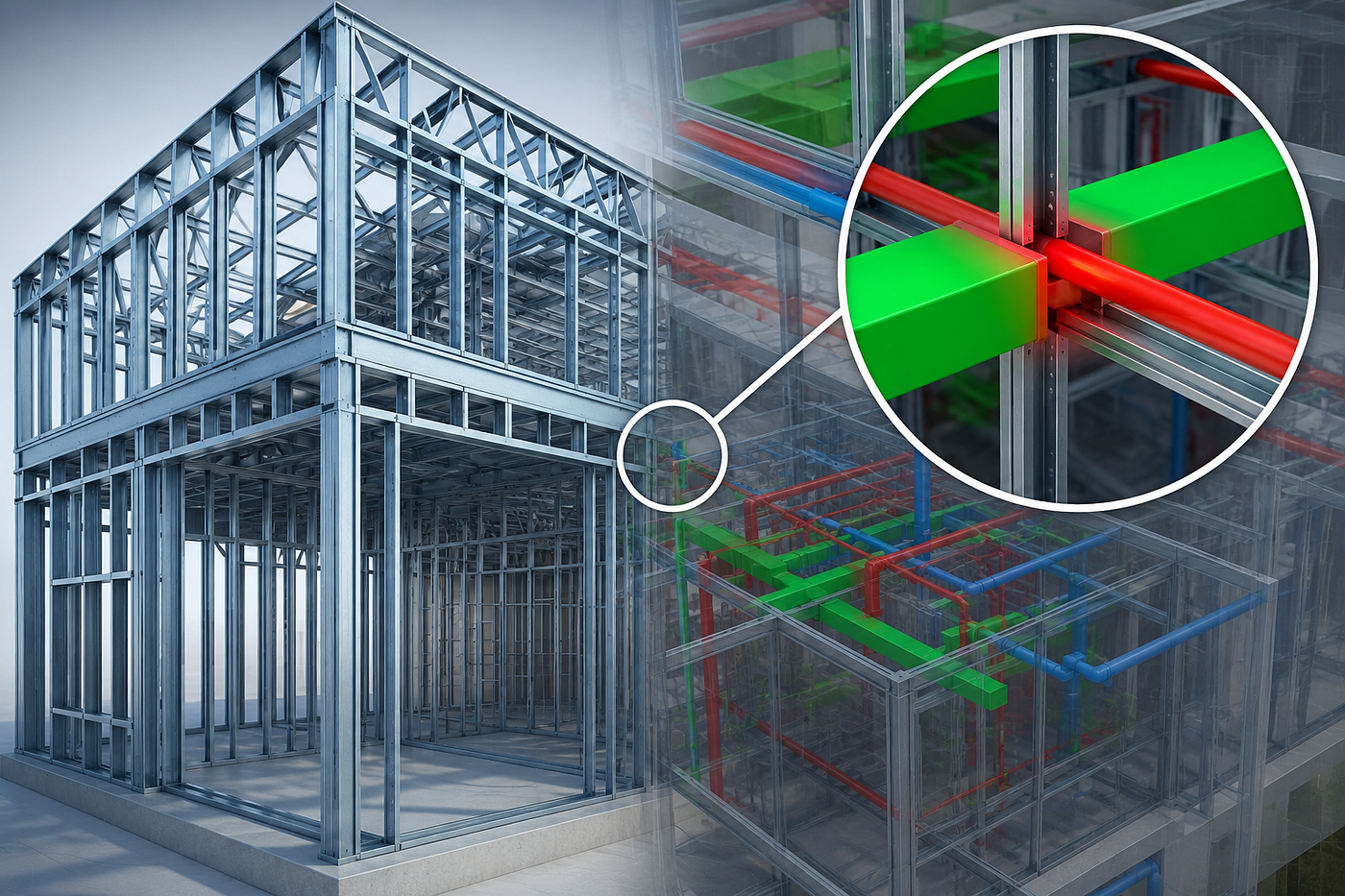
Successful crane planning goes beyond lifting operations — it must align closely with the overall construction schedule. At Consac, our engineering teams coordinate crane activities with structural detailing and BIM workflows to streamline material movement, reduce unnecessary crane relocations, and improve site productivity. By synchronizing deliveries with installation requirements, panels arrive exactly when and where they are needed, minimizing storage needs, lowering crane rental costs, and reducing exposure to weather-related delays.
1. Staging and Sequencing Coordinate panel deliveries to follow the installation sequence. Arrange materials in reverse installation order to reduce handling, improve workflow efficiency, and maximize crane utilization.
2. Quality Control Checkpoints Inspect every panel before lifting to verify condition, orientation, and connection details. Confirm that fastener locations align with structural drawings and BIM-coordinated models.
3. Installation Team Readiness Ensure installation crews are fully prepared before panels are hoisted. Verify connection hardware, alignment guides, and access requirements to support smooth and efficient placement.
4. Documentation and As-Built Records Track lifting activities, document any field adjustments, and update digital models to reflect actual installation conditions. Accurate records support quality assurance and future project reference.
Common Challenges and Practical Solutions
Even with detailed planning and experienced crews, crane operations involving light gauge steel (LGS) panels can present a range of challenges. Identifying potential issues early and applying proven solutions helps maintain safety, protect materials, and keep installation schedules on track.
Panel Deflection During Lifting
Large LGS panels may bend or sag between lifting points during hoisting, leading to permanent deformation or reduced structural integrity. To prevent this, use a sufficient number of lifting points and temporary stiffening frames where necessary. Always determine the maximum unsupported span based on panel dimensions, gauge thickness, and weight distribution before lifting.
Wind-Induced Oscillation
Because of their large surface area and relatively light weight, LGS panels can swing or rotate unexpectedly in windy conditions, increasing the risk of collisions and unsafe handling. Minimize exposure by reducing lift radius whenever possible, using multiple tag lines controlled by trained personnel, and postponing lifts when wind speeds exceed safe operating limits. Windbreak barriers can also help in sensitive work zones.
Surface Finish Damage
Pre-finished, painted, or coated panels are vulnerable to scratches, dents, and coating damage during lifting and installation. Protect panel surfaces by using vacuum lifters, padded slings, and non-abrasive rigging materials. Handle panels only at approved lifting locations and conduct regular inspections of lifting equipment to ensure there are no sharp edges, burrs, or worn components that could damage the finish.
Alignment Challenges at Elevation
Accurately positioning panels while they are suspended can be difficult, particularly at greater heights where visibility and access are limited. Improve placement accuracy by using guide pins, alignment templates, and temporary positioning aids. Boom-mounted cameras can enhance operator visibility, while clear and continuous communication between the crane operator, signal person, and installation crew helps ensure efficient and precise panel placement.
By anticipating these common challenges and implementing the right preventive measures, project teams can achieve safer lifts, faster installations, and higher-quality outcomes throughout the light gauge steel construction process.
Strategic Planning That Drives Success
Effective crane and lifting operations for light gauge steel (LGS) panels rely on careful preparation, environmental awareness, and a strong safety culture. When teams perform detailed lift planning, choose the right lifting equipment, and maintain close coordination throughout installation, projects benefit from smoother material handling, improved productivity, and better protection of both workers and materials.
Key Takeaways
Investing time in thorough lift planning delivers measurable benefits, including shorter crane utilization periods, reduced weather-related disruptions, and fewer instances of panel damage or costly rework. As light gauge steel construction continues to gain popularity for its speed, strength, and sustainability, understanding and applying proven lifting practices is becoming a critical skill for modern construction professionals.
Plan Ahead Carry out detailed site evaluations, identify potential hazards, and monitor weather conditions before lifting activities begin.
Choose the Right Equipment Use rigging systems specifically designed for lightweight steel panels, with features that minimize flexing, surface damage, and handling risks.
Prioritize Communication Implement clear communication procedures and ensure every team member has the authority to stop work immediately if unsafe conditions arise.
메타데이터
- post_id
- d8df6b8b3bf5
- slug
- boosting-efficiency-with-light-gauge-steel-panel-lifting-plans-d8df6b8b3bf5
- url
- https://medium.com/consights/boosting-efficiency-with-light-gauge-steel-panel-lifting-plans-d8df6b8b3bf5
- canonical_url
- https://medium.com/consights/boosting-efficiency-with-light-gauge-steel-panel-lifting-plans-d8df6b8b3bf5
- author_url
- https://medium.com/@srijanichatterjee21
- status
- ok
- fetched_at
- 2026-06-10 14:03:00