To Give Back What We Take: Why Reinjection is the Unsung Hero of Sustainable Geothermal Energy
When we think about geothermal energy, our eyes are naturally drawn to the surface. We marvel at the sweeping cooling towers, the complex…
To Give Back What We Take: Why Reinjection is the Unsung Hero of Sustainable Geothermal Energy

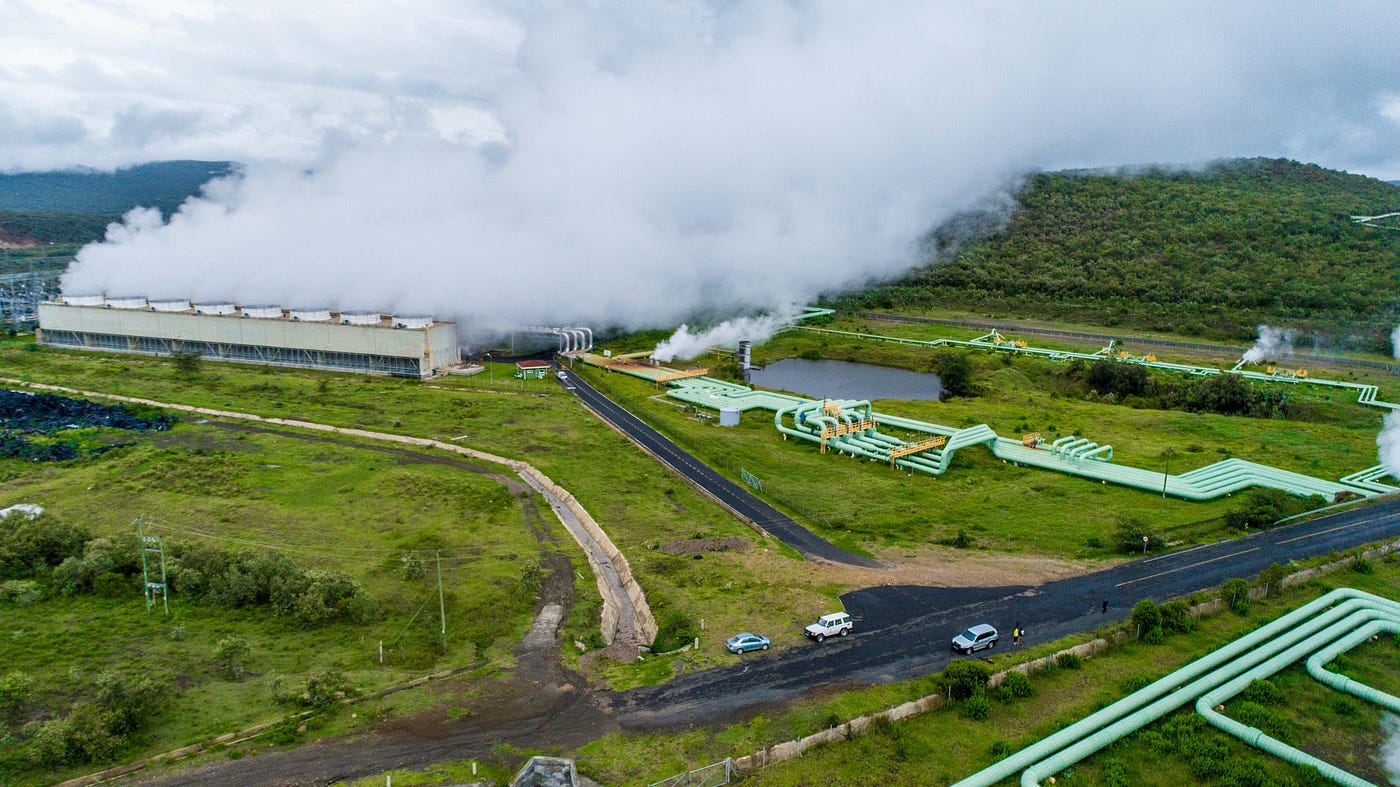
When we think about geothermal energy, our eyes are naturally drawn to the surface. We marvel at the sweeping cooling towers, the complex networks of insulated piping, and the high-pressure steam turbines generating clean, baseload electricity. It is easy to view a geothermal reservoir as an infinite underground boiler — a subterranean gift that will endlessly provide power as long as the Earth’s core remains hot.
But reservoir engineers know a deeper truth. Extracting steam and hot water from the earth is only half the battle. If you only take from a geothermal system without giving anything back, the reservoir will eventually die.
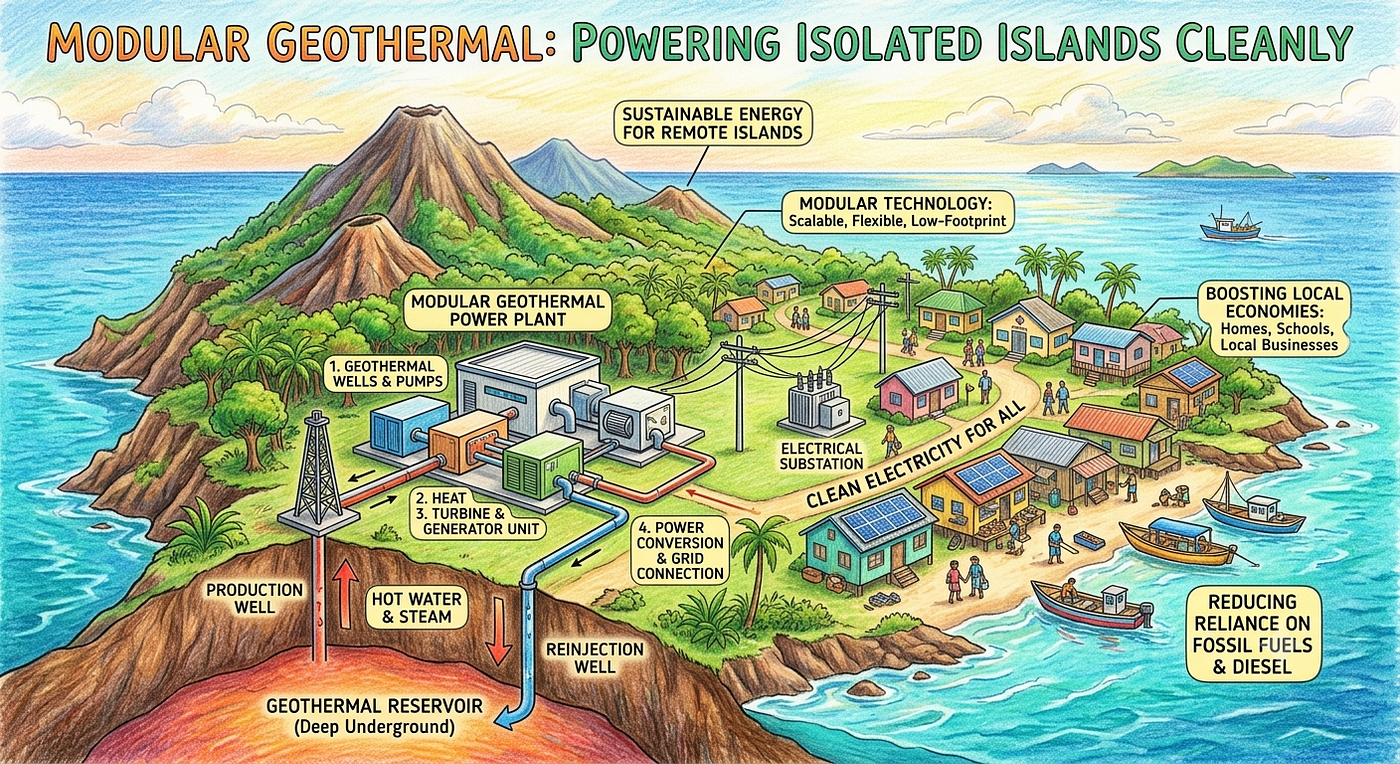
To maintain pressure, maximize heat extraction, and prevent catastrophic ground deformation at the surface, we rely on a sophisticated mechanical and geological process: the reinjection strategy. Far from being a mere waste-disposal mechanism, reinjection is the vital circulatory system that keeps a geothermal reservoir alive.
To understand why reinjection is critical, we must look at the thermodynamic and geo-mechanical balance of a geothermal reservoir.
A hydrothermal reservoir consists of porous, fractured rock filled with high-temperature fluid (either superheated steam or liquid water under intense pressure). When a production well is drilled, the localized drop in pressure forces this fluid to the surface.
However, mass extraction creates an immediate physical deficit. If the volume of fluid withdrawn significantly exceeds the natural recharge rate of the surrounding water table, two severe engineering problems occur:
1. Reservoir Depletion and Pressure Drop
As the volume of underground fluid decreases, the pressure within the reservoir plummets. In liquid-dominated fields, this pressure drop can cause the remaining water to flash into steam prematurely within the rock formation rather than inside the wellbore. While steam sounds ideal, this uncontrolled boiling leads to rapid cooling of the rock matrix, localized scale formation (mineral deposits), and a sharp decline in the total power output of the production wells.
2. Subsidence: When the Ground Sinks
From a structural perspective, high-pressure fluid filling the microscopic pores and fractures of deep rock formations acts as a hydraulic support beam, carrying a portion of the immense weight of the overlying earth. This is known as pore pressure.
When fluid is aggressively extracted without being replaced, pore pressure drops precipitously. The weight of the overburden compresses the rock matrix, causing the reservoir formation to compact. Over time, this subsurface compaction propagates upward, manifesting at the surface as subsidence — the literal sinking of the ground.
Historically, unmanaged geothermal extraction has led to dramatic subsidence. In fields like Wairakei in New Zealand, the ground shifted vertically by several meters over decades, threatening local infrastructure and altering local topography.
The solution to both pressure depletion and subsidence seems deceptively simple: pump the cooled, post-turbine water right back into the ground. However, executing a successful reinjection strategy is one of the most complex fluid dynamics puzzles in modern engineering.
If you inject water into the wrong place, at the wrong temperature, or at the wrong pressure, you can ruin a multi-million-dollar geothermal field overnight. Reservoir engineers must carefully calibrate three primary variables:
1. Thermal Breakthrough: The Danger of Short-Circuiting
The primary goal of reinjection is to create a sustainable heat-exchange loop. Cooled water injected back into the ground needs to travel through the hot rock matrix, absorbing thermal energy as it migrates, before eventually returning to a production well as hot fluid.
If the injection well is placed too close to a production well, or if it intersects a highly permeable, direct natural fracture, a disaster known as thermal breakthrough occurs. The cold water “short-circuits” the system, rushing directly to the production well without spending enough time in contact with the hot rock. Suddenly, the temperature of your production fluid drops, crippling the power plant’s efficiency. To prevent this, advanced tracer tests and complex 3D hydrodynamic modeling are used to ensure injection wells are placed at a mathematically optimized distance from production zones.
2. Chemical Scaling and Fluid Chemistry
Geothermal fluids are not pure water; they are chemical soups rich in dissolved minerals like silica, boron, and calcium carbonate. When hot fluid is brought to the surface and cools down to generate power, its ability to hold these minerals in solution drops drastically.
If this mineral-heavy, cooled water is reinjected directly into the ground, the minerals will instantly precipitate out of the liquid, forming a hard crust called scale. This scale can completely clog the injection wellbore and seal up the vital cracks in the surrounding rock, rendering the well useless. Engineers must carefully manage the reinjection temperature — often keeping it above a specific threshold (such as 140°C to 160°C in high-silica fields) — or treat the fluid with chemical scale inhibitors to keep the minerals dissolved until the fluid re-warms deep underground.
3. Injection Pressure and Induced Seismicity
Water cannot simply be poured down an injection well; it must often be pumped under pressure to overcome the existing reservoir pressure. However, if the injection pressure is too high, it can act as a hydraulic wedge, forcing open faults and lubricating geological stress lines. This can trigger micro-earthquakes, a phenomenon known as induced seismicity. Managing reinjection requires a highly sensitive, real-time “Traffic Light System” that continuously monitors microseismic activity and adjusts pump pressures to keep the reservoir structurally stable.
The ultimate measure of a brilliant reinjection strategy is its sweep efficiency — the percentage of the total subterranean heat reservoir that the reinjected water actually comes into contact with and absorbs.

Concept of sweep efficiency
By strategically placing multiple injection wells around the periphery of a geothermal field, or deep below the main production zone, engineers can create a peripheral or bottom-drive water flood. This forces the injected water to sweep across the maximum volume of hot rock, acting as a highly efficient underground radiator system. This not only preserves the reservoir’s pressure but actually extends the operating lifespan of the entire field by extracting heat that would otherwise remain trapped in the dry rock matrix.
The transition from viewing geothermal fluid as a temporary resource to managing it as a fully recyclable thermal carrier is what separates historical geothermal exploitation from modern, sustainable stewardship.
When a reinjection strategy is flawlessly executed, the benefits are absolute:
· Zero Net Fluid Loss: The mass balance of the reservoir remains stable, ensuring decades of predictable, unwaning baseload power.
· Structural Integrity: Pore pressure is maintained, completely mitigating the risk of surface subsidence and protecting local ecosystems and infrastructure.
· Environmental Isolation: Because the geothermal fluid is kept in a closed loop — moving from the deep earth, through the plant, and straight back underground — environmentally harmful trace elements like hydrogen sulfide (H2S) are never released into the atmosphere.
Geothermal energy is often championed as a passive resource, but keeping a reservoir alive requires active, precise engineering. By giving back exactly what we take, modern reinjection strategies transform geothermal power into a truly permanent, closed-loop cornerstone of the global clean energy transition.
메타데이터
- post_id
- d920ccc45e1b
- slug
- to-give-back-what-we-take-why-reinjection-is-the-unsung-hero-of-sustainable-geothermal-energy-d920ccc45e1b
- url
- https://medium.com/@bhaskara87/to-give-back-what-we-take-why-reinjection-is-the-unsung-hero-of-sustainable-geothermal-energy-d920ccc45e1b
- canonical_url
- https://medium.com/@bhaskara87/to-give-back-what-we-take-why-reinjection-is-the-unsung-hero-of-sustainable-geothermal-energy-d920ccc45e1b
- author_url
- https://medium.com/@bhaskara87
- status
- ok
- fetched_at
- 2026-06-17 08:20:12