Why Every Older Home Should Be Tested for Lead Before Renovations
Planning to renovate an older home can be exciting, but before you start tearing down walls or sanding old paint, there’s one important…
Why Every Older Home Should Be Tested for Lead Before Renovations
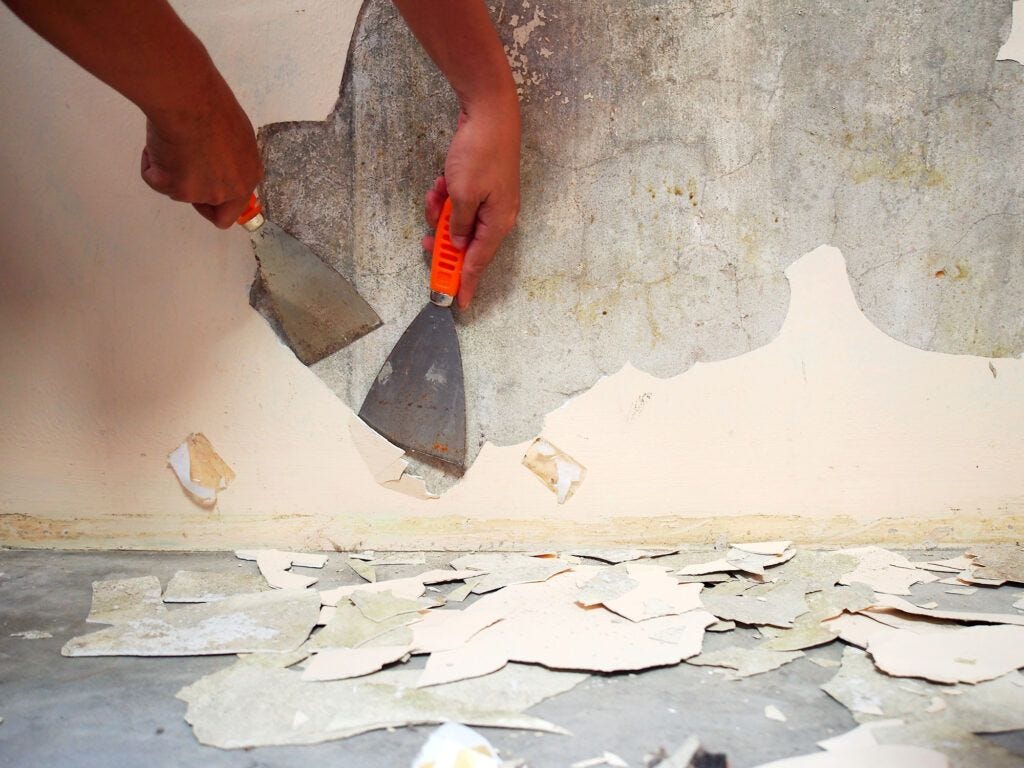
Planning to renovate an older home can be exciting, but before you start tearing down walls or sanding old paint, there’s one important step you shouldn’t overlook: checking for lead-based paint.
Many residential properties built before 1978 may still contain lead-based paint beneath newer layers of paint. While it may not pose an immediate risk if left undisturbed, renovation activities can release hazardous lead dust into the air, creating serious health concerns for occupants and workers.
According to the U.S. Environmental Protection Agency (EPA), renovations that disturb lead-based paint should follow proper safety procedures to reduce exposure. Learn more about the EPA’s Renovation, Repair and Painting (RRP) Program here.
Why Lead Paint Is Still a Concern
Lead was commonly used in residential paints for decades because of its durability and moisture resistance. Although its use in homes was banned in 1978, millions of older homes across the United States still contain lead-based paint.
The problem isn’t necessarily the paint itself — it’s what happens when painted surfaces are disturbed during renovations. Activities such as sanding, scraping, drilling, or demolition can release microscopic lead dust that spreads throughout the property.
Because these particles are often invisible to the naked eye, homeowners may not realize they’re being exposed.
Who Is Most at Risk?
Lead exposure can affect people of all ages, but certain groups are especially vulnerable.
Children under the age of six absorb lead more easily than adults, making them particularly susceptible to developmental problems. Pregnant women should also avoid exposure because lead can affect fetal development.
The Centers for Disease Control and Prevention (CDC) provides additional information about the health effects of lead exposure.
Why Professional Lead Inspections Matter
Many homeowners assume they can identify lead paint simply by looking at peeling or cracked paint. Unfortunately, appearance alone cannot confirm whether lead is present.
Professional inspections use specialized equipment and proven testing methods to identify lead hazards accurately. This allows homeowners, landlords, contractors, and property managers to make informed decisions before renovation work begins.
Scheduling **professional lead inspection services** before starting a remodeling project can help identify potential hazards early and reduce unnecessary risks.
Renovations Can Create Hidden Risks
Even relatively small renovation projects can disturb painted surfaces.
Examples include:
- Replacing windows
- Removing trim
- Sanding walls
- Kitchen remodeling
- Bathroom renovations
- Door replacement
- Floor installation
Each of these projects can generate lead-contaminated dust if lead-based paint is present.
By identifying hazards beforehand, contractors can plan projects more safely and avoid unexpected delays.
The Benefits of Early Lead Testing
Having a professional inspection before renovations offers several advantages.
It helps identify areas where lead-based paint exists, allowing property owners to take appropriate precautions before construction begins.
Early testing can also reduce costly surprises during remodeling, improve workplace safety for contractors, and help protect occupants from unnecessary exposure.
For landlords and property managers, documentation from a professional inspection may also support compliance with applicable housing regulations.
The U.S. Department of Housing and Urban Development (HUD) offers additional resources on lead-safe housing practices.
Don’t Rely on DIY Test Kits Alone
While home lead test kits are available, they often have limitations and may not provide the level of accuracy needed before a major renovation.
Professional inspectors follow established procedures and use specialized equipment that provides more reliable results than most consumer testing products.
For older homes, especially those undergoing significant renovations, professional testing is generally the safest approach.
Conclusion
Older homes offer unique character and long-term value, but they may also contain hidden environmental hazards that shouldn’t be ignored.
Before beginning renovations, taking the time to identify potential lead hazards can help create a safer environment for your family, contractors, and future occupants.
Whether you’re a homeowner planning a remodel, a landlord preparing a rental property, or a real estate investor purchasing an older building, understanding the presence of lead-based paint is an important first step toward a successful renovation.
메타데이터
- post_id
- d9299c78acbd
- slug
- why-every-older-home-should-be-tested-for-lead-before-renovations-d9299c78acbd
- url
- https://medium.com/@shayannadeem1999/why-every-older-home-should-be-tested-for-lead-before-renovations-d9299c78acbd
- canonical_url
- https://medium.com/@shayannadeem1999/why-every-older-home-should-be-tested-for-lead-before-renovations-d9299c78acbd
- author_url
- https://medium.com/@shayannadeem1999
- status
- ok
- fetched_at
- 2026-07-11 00:14:15