Why Communities Push Back on BESS Projects — And How to Earn Their Support
Battery Energy Storage Systems (BESS) are critical for a reliable, low-carbon power grid, but many local communities still resist new…
Why Communities Push Back on BESS Projects — And How to Earn Their Support
Battery Energy Storage Systems (BESS) are critical for a reliable, low-carbon power grid, but many local communities still resist new projects over safety, environmental, noise, and land-use concerns. Understanding the roots of this opposition is the first step for developers and policymakers to design safer projects, communicate clearly, and turn resistance into lasting support.
What BESS Means and Why Battery Energy Storage Systems Face Opposition
Battery Energy Storage Systems (BESS) are facilities that store electricity in batteries so that power can be delivered when it is most needed, improving grid stability and enabling more renewable energy.
BESS projects allow grid operators to balance supply and demand in real time by charging from conventional or renewable sources and discharging during peak demand or outages. Global deployment has surged from about 1 GW of grid-scale storage in 2018 to roughly 65 GW in 2023, yet even as installations expanded 65-fold, only around ten safety incidents per year have been recorded worldwide on average, showing that incidents are rare but highly visible.
Despite these benefits, opposition often centers on a few powerful fears: fires and explosions, toxic gas releases, noise from inverters and HVAC units, and visual or land-use impacts near homes and sensitive areas. Local pushback has led some counties and cities to impose moratoriums or deny permits for BESS projects, especially where residents feel blindsided or under-informed about risks and emergency planning.
Brand note: As an experienced energy storage provider, ANERN has seen that early, transparent community engagement is just as important as advanced technology when it comes to successful BESS deployment.
Visit ANERN’s official website to learn more about utility-scale and commercial energy storage solutions.
Common Safety Concerns Around Battery Energy Storage Projects
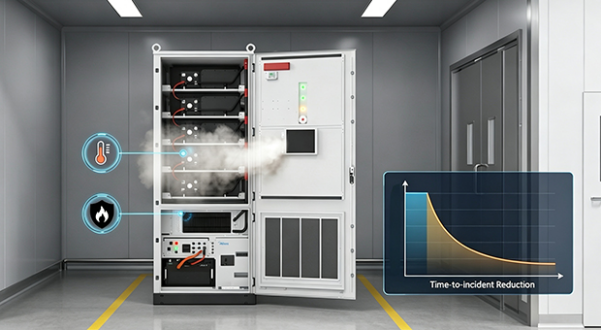
Safety concerns around BESS primarily focus on thermal runaway, fire, and emergency response readiness in the event of an incident.
Residents often worry that lithium-ion batteries could enter thermal runaway, an uncontrolled heating chain reaction that may lead to fires or explosions, especially when projects are sited near homes, schools, or businesses. Highly publicized fires at a handful of large facilities, despite being rare relative to the number of projects, strongly shape public perception and can trigger opposition movements even in regions with no previous incidents.
Regulators and experts emphasize that modern BESS designs incorporate multiple layers of protection, including quality-controlled battery modules, advanced battery management systems, remote monitoring, gas detection, fire suppression systems, and strict adherence to evolving safety standards. Guidance from agencies such as the U.S. EPA and industry groups recommends clear emergency response plans, dedicated isolation zones (for example, on the order of hundreds of feet for larger systems), and close coordination with local fire services to minimize risk and build confidence.
EPA: Main Safety Considerations for BESS
ANERN’s approach: ANERN integrates multi-layer fire detection, remote monitoring, and standardized emergency response documentation into its BESS solutions to help local officials and residents clearly understand safety measures in place.
Environmental, Noise, and Land Use Issues Raised by Local Communities
Community concerns about BESS often extend beyond safety to include environmental impacts, noise emissions, and how projects change local land use and landscape character.
Environmental Impacts and Perceived Risks
The main environmental fears around BESS involve potential contamination from leaked electrolytes or fire-water runoff and air emissions during rare fire events. In reality, operators are encouraged to design containment for runoff, monitor for gases such as hydrogen, carbon monoxide, and hydrogen fluoride if an incident occurs, and follow strict hazardous materials handling and disposal rules, which significantly reduce long-term environmental risk when properly implemented.
On the positive side, grid-scale storage is a key enabler for higher penetrations of solar and wind, which in turn reduce overall emissions from fossil-fuel plants and help meet climate targets. However, these system-level benefits can be overshadowed for residents if site-specific environmental protections are not clearly explained and documented during permitting and outreach.
Noise Concerns Around BESS Facilities
Noise concerns around BESS primarily stem from cooling systems, transformers, and inverters that may operate continuously or more often during hot weather and high-load conditions.
Neighbors commonly raise issues about low-frequency hums and tonal noise, especially at night, arguing that it can affect quality of life and property values if left unmanaged. Noise specialists note that most modern systems can be engineered to comply with local ordinances using measures such as sound-attenuating enclosures, strategic equipment placement, and noise barriers, but these solutions must be considered early in design rather than added as an afterthought.
Technical overview of BESS noise issues and solutions
Land Use, Siting, and Visual Impact
Land-use concerns around BESS focus on proximity to residential areas, visual impacts, and competition with agricultural or recreational land uses.
Some residents argue that industrial-looking enclosures and fencing are incompatible with rural or suburban character and that safety buffers consume valuable land that could be used for farming or open space. Planning bodies increasingly ask developers to demonstrate consistency with comprehensive plans, include vegetative screening, optimize site layouts, and justify why a particular location — often near substations or interconnection points — is necessary from a grid perspective.
ANERN’s practice: ANERN works with partners to integrate landscape design, setback optimization, and visual screening to make BESS sites more compatible with surrounding land uses, especially in rural and suburban settings.
How Misinformation and Public Perception Influence BESS Resistance
Misinformation and perception gaps significantly magnify opposition to BESS, often outweighing the influence of formal risk assessments or engineering data.
A 2025 survey of nearly 4,000 U.S. residents found that about 71% supported BESS in their community, yet the minority who opposed projects were largely driven by lack of knowledge, with 52% of opponents reporting they had never received information about BESS at all. This pattern mirrors broader climate and energy misinformation trends, where between 55% and 85% of people in various countries believe at least one false statement about climate or energy, weakening public support for clean energy solutions.
Misinformation often spreads through social media groups, local rumors, or selective coverage of dramatic fire events, creating a perception that BESS failures are frequent and uncontrollable even though incident rates remain low compared with rapid global deployment. When developers or authorities fail to respond quickly and transparently, residents may interpret silence as concealment, further eroding trust and fueling calls for moratoriums or bans.
County-level guidance on BESS and public perspective
Illustration: The photo below shows a typical utility-scale BESS site layout with modular enclosures and perimeter fencing, which can look unfamiliar or industrial to nearby residents at first glance.
Ways Developers Can Address Community Concerns About BESS
Developers can reduce resistance to BESS by combining robust technical safeguards with proactive, two-way community engagement that addresses specific local concerns in detail.
Effective practices include sharing plain-language safety summaries, publishing emergency response plans, and inviting local fire departments to joint training and site visits so that first responders and residents can see protections first-hand. Open houses, town-hall style meetings, and online Q&A channels allow residents to raise questions early, provide feedback on site design, and see evidence from other successful projects, which in turn reduces fear of the unknown.
From a design perspective, developers can integrate best-practice noise mitigation, setbacks, landscaping, and runoff management into initial plans rather than waiting for complaints, which shows responsiveness and seriousness about community well-being. Transparent discussion of both benefits (such as grid reliability and support for local renewables) and residual risks helps build credibility and avoids the impression that developers are “selling” a project without acknowledging real trade-offs.
ANERN example: ANERN supports partners with customizable community-engagement toolkits, including sample emergency response briefs, visual site renderings, and standard noise-control packages designed to align with local regulations and expectations.
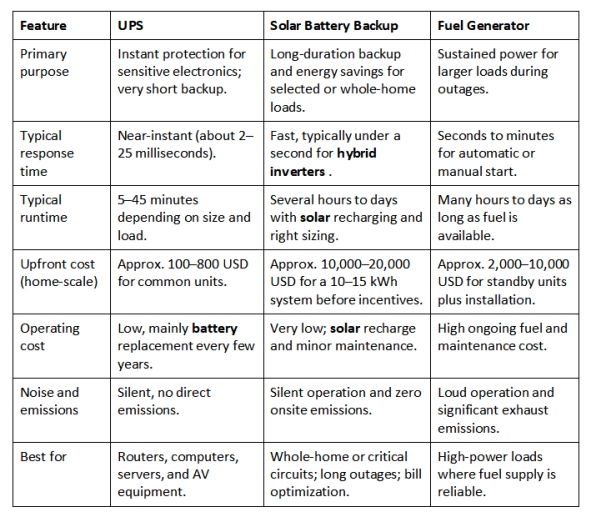
Risk and Benefit Overview: BESS vs. Traditional Peaker Plants
Comparing BESS to traditional fossil-fuel peaker plants helps communities understand relative safety, environmental, and local-impact profiles for different grid solutions.

Where ANERN Fits in the BESS Ecosystem
ANERN provides integrated BESS solutions that combine advanced engineering with practical community-engagement support, helping project owners navigate both technical and social risks.
By partnering early in project development, ANERN can support feasibility studies, safety and noise design, and structured communications that align with local planning expectations and best-practice guidance from organizations such as national energy agencies and county associations. This integrated approach helps reduce permitting uncertainty, improves project timelines, and makes it easier for communities to see BESS as an asset rather than a threat.
FAQs
Frequently asked questions summarize common concerns communities have about BESS and how developers can respond to them in a clear, evidence-based way.
1. Why are some people strongly against BESS projects?
Opposition usually stems from safety fears (particularly fires and explosions), concerns about toxic gases, noise, land-use conflicts, and distrust of developers or authorities. A lack of accessible information often amplifies these fears, especially when residents learn about BESS only after seeing negative headlines or social media posts.
2. How often do BESS fires actually happen?
Industry analysis suggests that even as global grid-scale storage capacity grew from roughly 1 GW in 2018 to about 65 GW in 2023, there have been only around ten significant incidents per year on average. While any incident is serious and must be thoroughly investigated, the data indicates that catastrophic failures remain rare compared with the rapid pace of deployment.
3. Can BESS facilities leak toxic substances into soil or groundwater?
Under normal operation, BESS facilities are closed systems, and modern designs include secondary containment and proper drainage to prevent environmental releases. In a fire or severe damage scenario, guidance calls for containment of runoff and careful handling of damaged materials as hazardous waste, which significantly reduces long-term contamination risks when followed.
4. How loud is a typical BESS installation?
BESS noise mainly comes from cooling equipment and electrical components, which can produce a steady hum, especially during peak operation or hot weather. With proper design — such as acoustic enclosures, distance from homes, and barriers — developers can generally meet or beat local noise limits, although site-specific assessments are essential.
5. What can developers do to build trust with local communities?
Developers can hold early public meetings, share clear safety and emergency plans, invite independent experts, and give residents real input on design elements like screening and access routes. Providing clear contact points, updating information as designs evolve, and acknowledging concerns directly (rather than minimizing them) all help build long-term trust.
6. How does ANERN help address local opposition to BESS?
ANERN supports partners with technically robust BESS designs and practical tools for community communication, including safety documentation, visualizations, and training support for local responders. By combining engineering best practices with transparent outreach, ANERN helps project owners align with regulator expectations and community priorities, improving the likelihood of project approval and long-term acceptance.
Conclusion
People are not against BESS simply because they oppose clean energy; they are often reacting to genuine worries about safety, environment, noise, and land use in the absence of clear, trusted information. Data from recent years shows that, with modern designs and strong safety standards, serious BESS incidents are rare even as deployments expand rapidly, and that well-informed communities are more likely to support local projects.
For developers, utilities, and technology partners such as ANERN, the opportunity lies in treating communities as long-term partners: designing projects with risk mitigation and local context in mind, communicating transparently, and backing up promises with verifiable plans and performance data. Done well, this approach not only reduces opposition but also accelerates the broader energy transition by turning skeptical neighbors into informed supporters and advocates.
If you are planning a BESS project or exploring energy storage for your portfolio, you can contact ANERN’s team to discuss site-specific risks, community strategies, and optimized system designs.
메타데이터
- post_id
- d9564ee89c6a
- slug
- why-communities-push-back-on-bess-projects-and-how-to-earn-their-support-d9564ee89c6a
- url
- https://medium.com/@anern/why-communities-push-back-on-bess-projects-and-how-to-earn-their-support-d9564ee89c6a
- canonical_url
- https://medium.com/@anern/why-communities-push-back-on-bess-projects-and-how-to-earn-their-support-d9564ee89c6a
- author_url
- https://medium.com/@anern
- status
- ok
- fetched_at
- 2026-06-22 12:55:45