Trump’s Iran Deal Backfires And Why Your Wallet Could Pay the Price
Uncover the hidden costs of Washington’s failed diplomacy and its ripple effects on everyday Americans.
Trump’s Iran Deal Backfires And Why Your Wallet Could Pay the Price
Uncover the hidden costs of Washington’s failed diplomacy and its ripple effects on everyday Americans.

Image used from theguardian
I’ve spent the last few days reading through this deal line by line, and honestly, I keep going back to check if I’m reading it right. When I first saw the headline that the US and Iran had struck an agreement, I’ll admit I felt a small flicker of relief. War is expensive, messy, and it drags on innocent people the longest. But the more I dug into the actual terms, the more my relief turned into disbelief. This isn’t a peace deal that Washington can hold up as a win. It’s a surrender dressed up in diplomatic language, and I want to walk you through exactly why, in plain terms, so you can see it the way I see it.
Let me take you back to where this all started, because the contrast is what makes this so hard to swallow.
The mind of Trump
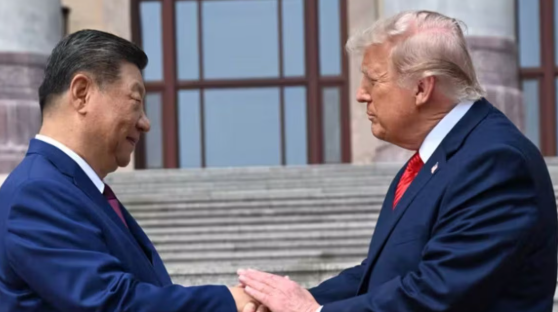
If you have followed Donald Trump for any length of time, you know Iran has been one of his favorite punching bags. Long before he became president the first time, he was tweeting about how weak the original nuclear deal with Iran was.
That deal, signed under President Obama, was called the JCPOA, and Trump spent years telling anyone who would listen that it handed Iran a lifeline it did not deserve. He pointed to the 150 billion dollars in relief that deal unlocked and called it one of the worst trades in American history.
So imagine my surprise, and I’m guessing yours too, when the new memorandum his own administration just signed turns out to be worse on almost every measure. Twice the money. Looser conditions.
And Iran gets paid first, before it has to prove anything. I don’t say this to score political points either way. I say it because it shows how a leader’s own stated principles can get run over by the reality on the ground once a war stops going to plan.
“I’m saying that if other countries have them, it’s a little bit unfair for Iran not to have some.”
Donald Trump, speaking to reporters in Paris, on Iran’s ballistic missile program
Read that quote again. This is the same man who once said the old deal’s biggest flaw was that it ignored Iran’s missiles entirely. Now he is out there defending Iran’s right to have them. That is not a small shift. That is a complete reversal of everything he built his Iran policy on.
Here’s how I see it happened. Earlier this year, the US pulled off a fast, clean raid in Venezuela, arresting the president there in a matter of hours with no American casualties. That success seems to have made Washington overconfident. They figured Iran would fall the same way.
But Iran isn’t built like Venezuela. Its power isn’t sitting in one man’s office, it’s spread across a doctrine designed specifically to survive a decapitation strike. And Iran also happens to sit next to the Strait of Hormuz, a narrow strip of water that carries roughly a fifth of the world’s oil. Once Tehran threatened to shut it down, the entire calculation flipped.
Trump’s war of choice is a war of failure
Before the bombs started dropping back in February, the Trump administration laid out five clear goals for this war. Thirteen weeks later, I cannot point to a single one that has been fully met. Let me break each one down for you.
Enriched uranium still in Iran
972 lbs
Missile stockpile Iran kept
70%
Targets struck by the US
13,000+
Nuclear program: This was the whole reason for the war, at least on paper. Yet the uranium enriched close to weapons grade is still sitting in Iran. None of the newer nuclear sites that survived the first round of strikes last year appear to have been touched this time either.
Ballistic missiles: Washington struck an enormous number of targets, but leaked intelligence assessments suggest Iran still holds most of its missile stockpile and most of its mobile launchers. Russia is reportedly even helping replace what was lost.
Navy: This is the one area where I’ll give credit where it’s due. Iran’s formal navy took real damage. But Tehran adapted fast, using small fast-attack boats and even commercial vessels to keep mining waterways and launching drones. A navy on paper is gone, but naval power on the water is not.
Proxy network: If anything, groups like Hezbollah have used this war to rebuild and rebrand. They’re leaning on cheap first person view drones and, in some circles, gaining more support rather than less.
Regime change: This might be the biggest miss of all. Even after killing the Supreme Leader and a long list of senior officials, the regime did not collapse. It simply handed power to harder line figures from within the Revolutionary Guard, a group even less interested in compromise than the leaders they replaced.
Old deal vs new deal
2015 JCPOA
$150 billion in relief
Relief came after verified action
98% of enriched uranium shipped out
2026 memorandum
$300 billion in relief
Relief comes before nuclear talks even start
No verified nuclear concessions yet
Failure comes at a high cost for the American people
This is the part that hits closest to home for me, and probably for you too. Wars are never just fought overseas. They show up in your grocery bill and at the gas pump. When Iran effectively choked off the Strait of Hormuz during the fighting, a route that carries about a quarter of the world’s oil and a fifth of its natural gas, prices did exactly what you’d expect.
Brent crude, up from prewar
34%
Average US gas price
$4.32/gal
Extra cost per household
$395
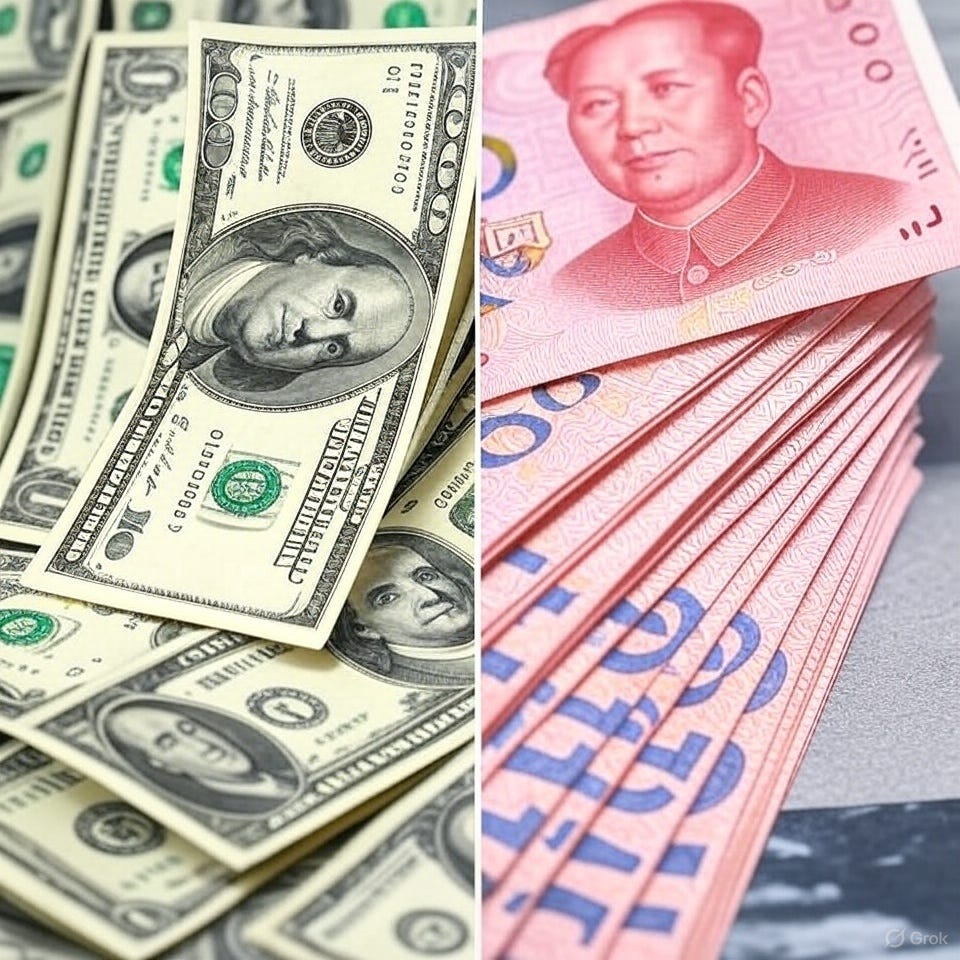
Researchers estimated that by June 1, this war had already cost American households an extra 51.8 billion dollars combined in higher energy costs alone. That’s before you even count the price of the military operation itself, or the 300 billion dollar reconstruction fund now heading toward Iran. When I sit with those numbers, I can’t help but feel frustrated on behalf of regular working people who never asked for any of this and are now footing the bill twice over, once through their taxes and again every time they fill up their car.
“No one knows who would replace Khamenei if he was removed from power.”
Secretary of State Marco Rubio, testifying to Congress one month before the strikes began
That quote alone tells you everything about how this campaign was planned. The people running it admitted, in writing to Congress, that they had no real answer for what comes after. And now we are all living with the consequences of that gap.
My honest opinion, for what it’s worth, is that this war never should have followed the Venezuela playbook in the first place. Iran told the world for years exactly how it would respond to an attack, and Washington went ahead anyway, betting on a quick win that never had a realistic chance of happening.
Now the region is more unstable, the regime in Tehran is more hardline than before, Israel and the US are drifting apart over how to handle Lebanon, and American families are paying more for gas because of it. If there’s a silver lining, I honestly haven’t found one yet, and I’ve been looking.
That’s my honest read on where things stand right now. I’ll keep watching this story closely, because the way this deal actually gets signed and implemented in the coming weeks is going to shape a lot of what happens next in the region and in your own household budget. Thanks for reading this far with me, and I’ll be back soon with the next update as this story keeps unfolding.
Reference
메타데이터
- post_id
- d9aff6871c2c
- slug
- trumps-iran-deal-backfires-and-why-your-wallet-could-pay-the-price-d9aff6871c2c
- url
- https://medium.com/geopolitics-beyond/trumps-iran-deal-backfires-and-why-your-wallet-could-pay-the-price-d9aff6871c2c
- canonical_url
- https://medium.com/geopolitics-beyond/trumps-iran-deal-backfires-and-why-your-wallet-could-pay-the-price-d9aff6871c2c
- author_url
- https://medium.com/@nairsahil08
- status
- ok
- fetched_at
- 2026-07-09 17:12:49