How Can You Build a Peer-to-Peer Car Rental Marketplace?
The way people rent vehicles has changed dramatically over the last few years. Instead of relying solely on traditional rental agencies…
How Can You Build a Peer-to-Peer Car Rental Marketplace?
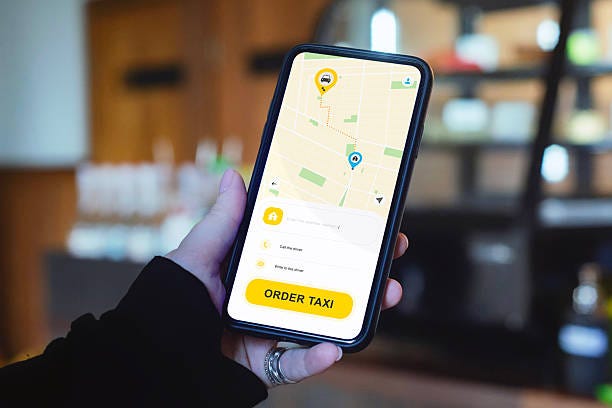
turo clone app
The way people rent vehicles has changed dramatically over the last few years. Instead of relying solely on traditional rental agencies, many travelers and local drivers now prefer platforms that connect them directly with car owners. This peer-to-peer (P2P) model creates a win-win situation: vehicle owners can earn extra income from cars that would otherwise sit idle, while renters enjoy a wider range of vehicles, flexible booking options, and competitive prices.
If you’re planning to enter the mobility industry, building a peer-to-peer car rental marketplace can be a smart and scalable business opportunity. However, launching a successful platform involves much more than creating an app or website. You need a well-defined business model, secure payment processing, identity verification, insurance support, an intuitive user experience, and features that build trust between owners and renters.
This guide explains everything you need to know about building a peer-to-peer car rental marketplace — from planning your business model and choosing the right technology to implementing essential features and marketing your platform. Whether you’re developing your marketplace from scratch or exploring a turo clone app to accelerate development, understanding these fundamentals will help you build a platform that delivers value to users and supports long-term business growth.
What Is a Peer-to-Peer Car Rental Marketplace?
A peer-to-peer car rental marketplace is an online platform that allows private vehicle owners to rent their cars directly to individuals looking for short-term or long-term transportation. Instead of maintaining a fleet of vehicles like traditional rental companies, the platform connects car owners with renters while handling bookings, secure payments, identity verification, customer support, and dispute resolution. Businesses aiming to enter this market often evaluate different development approaches, including building a custom platform from scratch or launching with a **turo clone app** that can be customized to meet their specific business goals.
This business model has become increasingly popular because it reduces operational costs, expands vehicle availability, and gives customers more flexibility and choice when renting a car. For entrepreneurs, it also offers a scalable way to build a digital marketplace without the expense of owning and maintaining a large vehicle fleet.
Why Invest in a Peer-to-Peer Car Rental Marketplace?
The demand for flexible transportation continues to grow as consumers embrace the sharing economy. More people are comfortable using digital platforms to book services, making peer-to-peer car rentals an attractive business opportunity.
Some of the biggest advantages include:
- Lower startup and operational costs
- Multiple revenue opportunities
- Scalable marketplace model
- Growing demand for flexible transportation
- Increased smartphone adoption
- Better vehicle utilization for owners
With the right strategy, entrepreneurs can create a profitable marketplace that serves both vehicle owners and renters.
Step 1: Define Your Business Model
Before writing a single line of code, determine how your marketplace will generate revenue.
Common monetization models include:
Commission-Based Model
The platform earns a percentage from every successful booking.
Subscription Model
Vehicle owners pay a monthly or yearly subscription to list their cars.
Listing Fees
Owners pay each time they publish a vehicle listing.
Hybrid Model
A combination of commissions, subscriptions, featured listings, and premium services.
Selecting the right business model early helps shape pricing, features, and long-term growth.
Step 2: Understand Your Target Audience
Knowing your audience allows you to build features that solve real customer problems.
Potential users include:
- Tourists
- Business travelers
- Students
- Local commuters
- Luxury vehicle renters
- Electric vehicle enthusiasts
Instead of trying to serve everyone, consider focusing on a specific niche before expanding.
Step 3: Essential Features for Renters
A smooth and convenient booking experience encourages repeat customers.
Important renter features include:
- User registration and secure login
- Vehicle search
- Advanced filters
- Booking calendar
- Real-time availability
- Secure online payments
- Booking history
- GPS integration
- Ratings and reviews
- Push notifications
- In-app customer support
These features make the rental process fast, transparent, and user-friendly.
Step 4: Essential Features for Car Owners
Vehicle owners should have complete control over their listings and earnings.
Must-have owner features include:
- Vehicle listing management
- Availability calendar
- Pricing controls
- Booking approvals
- Earnings dashboard
- Performance reports
- Maintenance reminders
- Identity verification
- Document uploads
Providing easy management tools encourages more owners to join your marketplace.
Step 5: Build a Powerful Admin Panel
The admin dashboard is the backbone of your marketplace.
Essential admin features include:
- User management
- Vehicle verification
- Booking management
- Commission management
- Payment tracking
- Analytics and reports
- Content management
- Customer support tools
- Fraud detection
- Promotional campaign management
An efficient admin panel simplifies daily operations and improves platform security.
Step 6: Prioritize Trust and Security
Trust is one of the biggest factors influencing whether users choose your platform.
To create a secure marketplace, implement:
- Identity verification
- Driver’s license verification
- Vehicle document verification
- Secure payment gateways
- Two-factor authentication
- Insurance support
- Ratings and review systems
- Fraud prevention tools
A trustworthy platform encourages more bookings and long-term customer loyalty.
Step 7: Choose the Right Technology Stack
Selecting reliable technologies ensures better performance and future scalability.
A common technology stack includes:
Frontend
- React
- Flutter
Backend
- Node.js
- Laravel
- Django
Database
- PostgreSQL
- MongoDB
Cloud Services
- AWS
- Google Cloud
Payment Integration
- Stripe
- PayPal
Choosing technologies that support scalability makes future updates easier.
Step 8: Develop Your Marketplace
A structured development process helps reduce costs and avoid delays.
Typical development stages include:
Discovery and Planning
Research competitors, define business goals, and identify user needs.
UI/UX Design
Design intuitive interfaces for renters, owners, and administrators.
MVP Development
Launch with essential features to validate your business idea.
Testing
Conduct functional, security, and performance testing before launch.
Deployment
Release your marketplace on Android, iOS, and the web.
Ongoing Improvements
Gather user feedback and introduce new features regularly.
Continuous improvements help keep your platform competitive.
Step 9: Create Multiple Revenue Streams
Successful marketplaces rarely rely on just one income source.
Additional revenue opportunities include:
- Featured vehicle listings
- Premium memberships
- Insurance partnerships
- Vehicle delivery fees
- Late return charges
- Advertising opportunities
- Value-added services
Diversifying revenue improves profitability and business stability.
Step 10: Market Your Platform Effectively
Building the platform is only the beginning. Marketing plays a vital role in attracting both renters and vehicle owners.
Effective strategies include:
Search Engine Optimization (SEO)
Publish valuable content targeting rental-related search queries.
Content Marketing
Share travel guides, rental tips, and industry insights.
Social Media Marketing
Build brand awareness through Instagram, Facebook, LinkedIn, and other platforms.
Referral Programs
Reward users who invite new customers.
Email Marketing
Send booking reminders, discounts, and personalized offers.
Paid Advertising
Use Google Ads and social media advertising to reach targeted audiences.
A balanced marketing strategy helps grow both sides of your marketplace.
Common Challenges
Every marketplace faces challenges during its growth journey.
Some of the most common include:
Building User Trust
Transparent reviews, secure verification, and responsive customer support increase confidence.
Managing Insurance
Partner with reputable insurance providers to protect both owners and renters.
Balancing Supply and Demand
Recruit enough vehicle owners before investing heavily in customer acquisition.
Preventing Fraud
Use identity verification, AI-based monitoring, and secure payment systems.
Resolving Disputes
Provide fast, fair, and professional customer support to maintain user satisfaction.
Being prepared for these challenges helps create a more reliable platform.
Should You Build from Scratch or Choose a Ready-Made Solution?
Building a marketplace from scratch provides complete flexibility but usually requires significant time, technical expertise, and investment.
For startups looking to launch faster, a turo clone app can be an effective alternative. It offers many of the core marketplace features needed to get started while allowing customization to match your brand identity, business goals, and future expansion plans. The right choice ultimately depends on your budget, launch timeline, and long-term vision.
Future Trends in Peer-to-Peer Car Rental
Technology continues to reshape the mobility industry.
Key trends to watch include:
- AI-powered dynamic pricing
- Electric vehicle rentals
- Contactless vehicle access
- IoT-enabled vehicle tracking
- Blockchain-based identity verification
- Predictive vehicle maintenance
- AI-powered customer support
Businesses that adapt to these innovations will be better positioned to meet changing customer expectations.
Conclusion
Building a peer-to-peer car rental marketplace requires more than great technology — it requires a clear strategy, a secure platform, and an exceptional user experience. From choosing the right business model and integrating essential features to implementing strong security measures and effective marketing strategies, every step plays a role in creating a successful marketplace.
As the demand for flexible transportation continues to grow, entrepreneurs have an excellent opportunity to build platforms that benefit both vehicle owners and renters. Whether you decide to develop your marketplace from the ground up or begin with a turo clone app to speed up the launch process, the focus should always remain on delivering convenience, trust, and reliability.
By combining thoughtful planning, scalable technology, and continuous improvements, you can build a peer-to-peer car rental marketplace that stands out in a competitive industry and creates long-term value for your users and your business.
메타데이터
- post_id
- d9b3ba6531ca
- slug
- how-to-build-a-peer-to-peer-car-rental-marketplace-d9b3ba6531ca
- url
- https://medium.com/@emmasmith098776/how-to-build-a-peer-to-peer-car-rental-marketplace-d9b3ba6531ca
- canonical_url
- https://medium.com/@emmasmith098776/how-to-build-a-peer-to-peer-car-rental-marketplace-d9b3ba6531ca
- author_url
- https://medium.com/@emmasmith098776
- status
- ok
- fetched_at
- 2026-07-17 11:50:19