Into the Abyss: Exploring Elizabeth Kolbert’s Under a White Sky
Joseph Conrad’s Heart of Darkness opens with Marlow reminiscing: “Going up that river was like traveling back to the earliest beginnings of…
Into the Abyss: Exploring Elizabeth Kolbert’s Under a White Sky
Joseph Conrad’s Heart of Darkness opens with Marlow reminiscing: “Going up that river was like traveling back to the earliest beginnings of the world, when vegetation rioted on the earth and the big trees were kings.” This haunting vision of an untamed world finds an eerie echo in Pulitzer Prize-winning journalist Elizabeth Kolbert’s latest book, Under a White Sky. As one reads, the turbulent rivers, changing skies, and laboratory experiments chronicled in this work evoke a tactile sense of our planet’s relentless transformation.
From the Mississippi River to the Mojave Desert and Iceland’s volcanic plains, Kolbert’s investigative rigor and sweeping reportage bring us a black-comedic, poetic, and incisive account of humanity’s desperate attempts to control nature in the face of climate catastrophe. She introduces us to an eclectic cast of characters — Army engineers electrifying waterways to keep invasive carp at bay, scientists falling in love with endangered desert fish, geneticists reengineering rodent DNA, and entrepreneurs turning carbon dioxide into stone. Then, there are the geoengineers proposing to scatter diamond particles into the atmosphere to cool the planet. Each, in their own way, is driven by an urgent conviction: something must be done.
But rather than ask whether we can leave a habitable planet for future generations, Kolbert’s book forces us to confront a more immediate question: Can we still survive on this planet? Motivated by this pressing concern, I reached out to Kolbert for an interview.
Under a White Sky: A Cautionary Chronicle
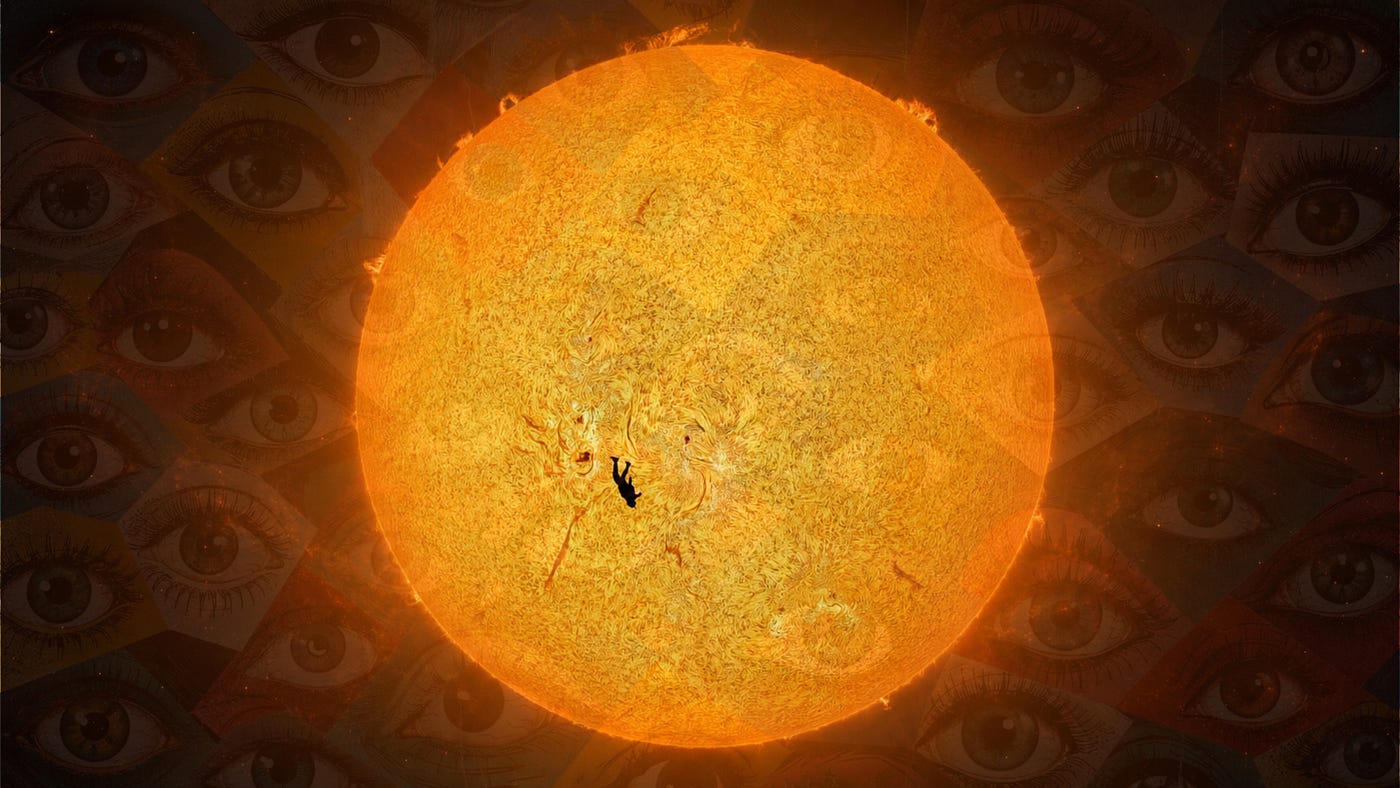
Kolbert, who won the Pulitzer Prize for The Sixth Extinction, now delivers Under a White Sky — a blend of travelogue, scientific inquiry, and classic explanatory journalism. Her intricate web of open-ended questions is as compelling as the book’s meticulous storytelling. The title itself is ominous: Under a White Sky alludes to a possible future where solar geoengineering alters the atmosphere to the point that the sky loses its natural blue hue.
What exactly is a white sky?
“It’s the unintended consequence of solar geoengineering — where reflecting particles injected into the stratosphere might diffuse sunlight, turning the sky white.”
And what is solar geoengineering?
“Solar geoengineering is the theoretical approach of dispersing reflective particles into the stratosphere to block incoming solar radiation and prevent further warming. The idea is to reduce the amount of energy reaching Earth.”
Between The Sixth Extinction and Under a White Sky, what has changed for you and the planet?
“Not much has changed. If anything, The Sixth Extinction didn’t seem to hit people with the urgency I had hoped. That realization fueled Under a White Sky. We are still marching, step by step, toward mass extinction — just waiting for some technological miracle to save us.”
Is darkening the sun really the best solution we have?
“It might seem absurd, but researchers argue it’s one of the few options we have left. Some propose using tiny reflective calcium carbonate or diamond particles. Others suggest injecting potassium particles into Earth’s orbit, mimicking Saturn’s rings. Even cloud brightening is under consideration — sending fleets of ships to spray fine saltwater droplets into the Arctic sky to increase cloud reflectivity. Harvard physicist David Keith argues that solar geoengineering isn’t a sci-fi fantasy — it’s a real-world choice awaiting a political decision.”
Kolbert masterfully captures the hubris and unintended consequences of humanity’s battle against climate change. Scientists claim that geoengineering isn’t opening Pandora’s box — it’s already wide open.
How would these particles be dispersed, and what happens to them?
“Aircraft would release them into the stratosphere, where they’d reflect sunlight. But these particles would eventually fall back to Earth, requiring continuous replenishment. Over time, our blue sky could turn permanently white.”
Even if we cut emissions by half, CO2 levels would still rise. Can direct air capture scale up to make a difference?
“Our ‘carbon bathtub’ is overflowing. Even if we halved emissions, CO2 would still accumulate. Companies like Climeworks are already capturing CO2 and turning it into stone — charging $1,000 per ton. That price might drop to $100 in the next decade, but who will pay for it when polluting remains free?”
Speaking of Climeworks, is their technology proving effective?
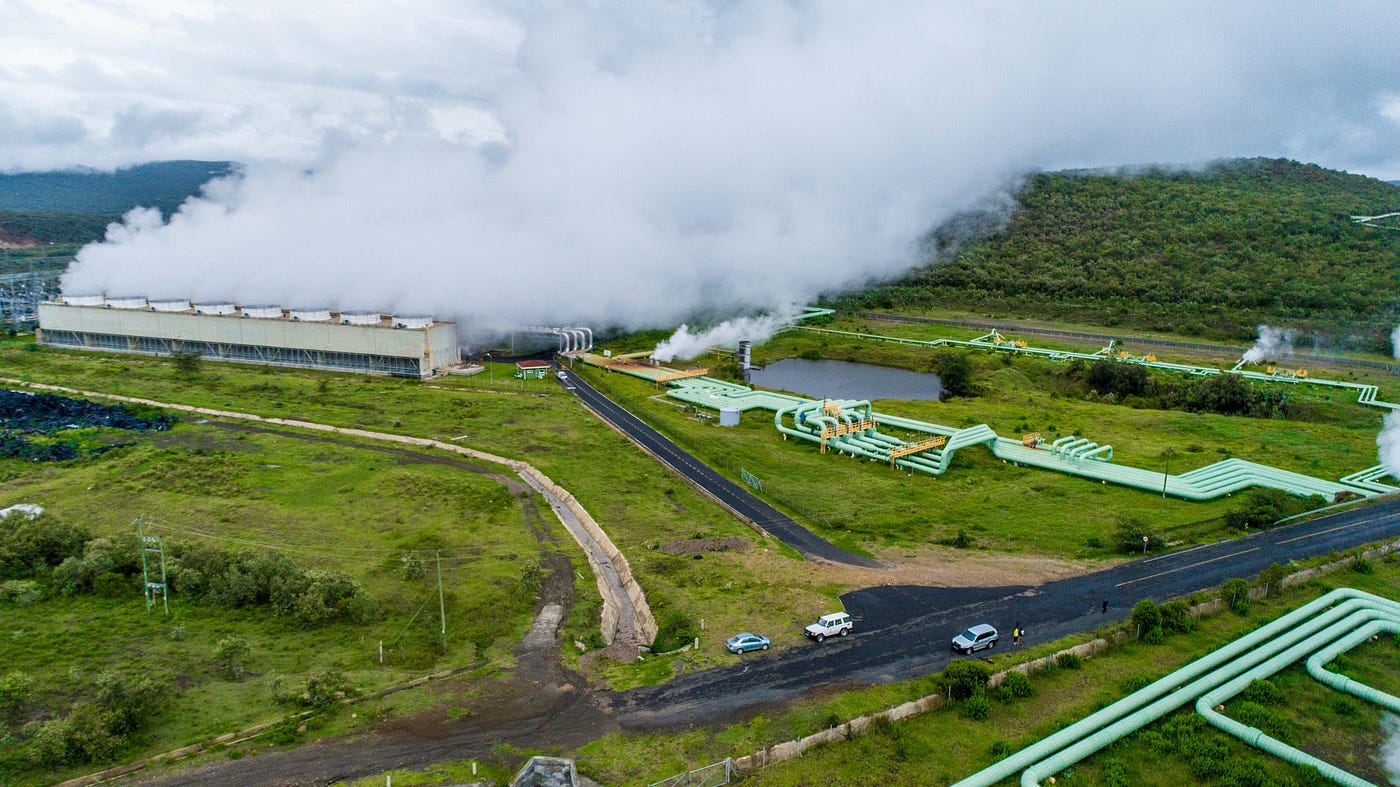
“I visited their facility in Iceland, where CO2 is injected 800 meters underground and mineralized into rock. It’s promising, but can it scale fast enough to meet global needs? That remains uncertain.”
Human Intervention: A Comedy of Errors?
Kolbert’s book takes us to places where human intervention in nature has led to bizarre outcomes — whether it’s the electrified Chicago canals designed to repel Asian carp, or the Army Corps’ attempts to restrain the Mississippi River, only to create new vulnerabilities.
The Army Corps of Engineers is electrifying waterways to stop Asian carp — what exactly are they doing?
“They’ve built electric barriers in the Chicago canal. As the invasive carp approach, their bodies conduct electricity, stunning them and keeping them out of the Great Lakes.”
Asian carp, introduced for biological pest control, have since exploded in number, consuming everything in their path. Fishermen now use giant nets to remove them en masse. Ironically, the very fish once meant to solve an ecological problem has become an even greater threat.
Climate Change and the Limits of Control
Kolbert also delves into genetic engineering, meeting researchers who modify the DNA of amphibians, rodents, and even glowing green chickens. She discusses bioengineering with the casual ease of someone who has edited yeast genes in her kitchen using CRISPR kits. Yet, she remains skeptical: If history has taught us anything, it’s that humans rarely foresee the full consequences of their interventions.
Can planting and burying a trillion trees be a viable climate solution?
“Burying biomass is a concept some propose to store carbon, much like coal formed in the Carboniferous period. But where do we find the land? And if we use fossil fuel-powered machines to plant trees, are we actually solving anything?”
Kolbert interviews engineers, biologists, and climate entrepreneurs whose approaches resemble technological fatalism — not optimism, but a grim acceptance of what is technically possible.
What’s the most optimistic climate scenario? And the most pessimistic?
“The best-case scenario is that humanity aggressively reduces emissions, reaching net-zero in the coming decades. The worst case? Business-as-usual, with vast parts of the planet becoming uninhabitable. The decisions we make today will echo for generations.”
The Paradox of Progress
Kolbert’s Under a White Sky reminds us that every human attempt to correct nature carries a price. Whether electrifying rivers, altering genes, or dimming the sun, we are constantly trying to undo the unintended consequences of previous interventions. As we weigh the risks of further manipulation, one question looms large: Do we double down on intervention — or finally learn when to stop?
메타데이터
- post_id
- d9bc9fb81dec
- slug
- into-the-abyss-exploring-elizabeth-kolberts-under-a-white-sky-d9bc9fb81dec
- url
- https://medium.com/@isaiahkimpro/into-the-abyss-exploring-elizabeth-kolberts-under-a-white-sky-d9bc9fb81dec
- canonical_url
- https://medium.com/@isaiahkimpro/into-the-abyss-exploring-elizabeth-kolberts-under-a-white-sky-d9bc9fb81dec
- author_url
- https://medium.com/@isaiahkimpro
- status
- ok
- fetched_at
- 2026-07-15 01:54:12