The GLP-1 Drugs: What New Research Is Telling Us
Millions of people are now taking drugs like Ozempic, Wegovy, Mounjaro, and Zepbound. These are known as GLP-1 drugs, and they were first…
The GLP-1 Drugs: What New Research Is Telling Us
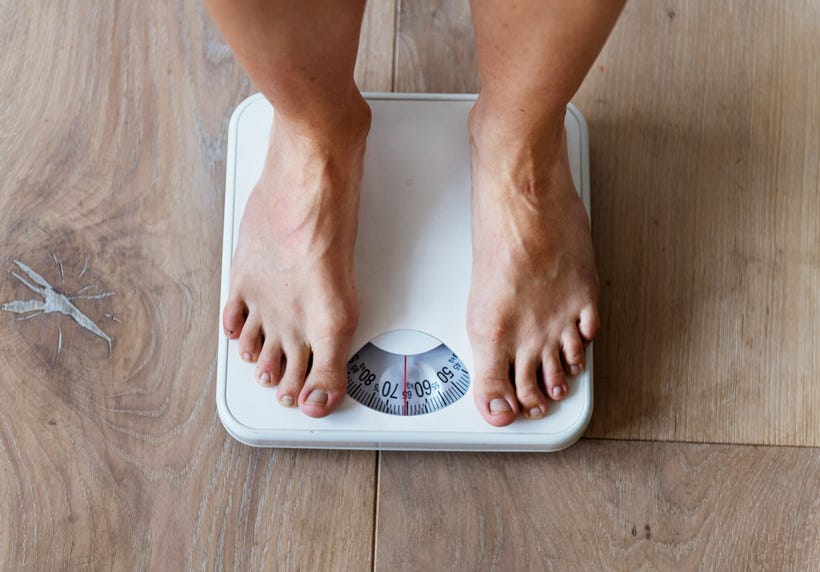
Millions of people are now taking drugs like Ozempic, Wegovy, Mounjaro, and Zepbound. These are known as GLP-1 drugs, and they were first made for people with type 2 diabetes. But it’s not for diabetes anymore, and the number of disorders or issues that it is being touted as useful for is increasing almost weekly. Doctors soon noticed something else. Patients on these drugs lost a lot of weight, and word spread fast. Today, about 1 in 8 American adults has taken one of these drugs at some point in their life.
These drugs have helped a lot of people. They lower blood sugar. They help people lose serious weight when nothing else worked. But as more people use them, and as more time passes, physicians are learning things that were not clear in the first years these drugs were on the market. We look at some of the newest findings, including a study published just last month on smell and taste.
You deserve to know what the science says, in plain words, so you can talk to your physician with confidence. It’s interesting that a decrease in the sense of smell is seemingly one of the first symptoms of Alzheimer’s disease. This alone can be stressful or ominous, and we don’t know which to consider and how the two might be related, if at all.
A New Warning: Loss of Smell and Taste
A large study published in June 2026 looked at more than 438,000 people with type 2 diabetes who were taking a GLP-1 drug. Researchers compared them to a similar group of patients who were not taking these drugs. The study found that people on GLP-1 drugs had a 48 percent higher chance of developing a new smell or taste problem over two years compared to those who were not on the drug. When researchers looked closer, the risk of losing smell was even higher, and the risk of losing taste was also clearly raised. What could account for this? Flustered researchers prompted a re-evaluation of both the medications and the research supporting them
This doesn’t mean everyone who takes these drugs will lose their sense of smell or taste. It means the risk is real and higher than physicians first thought. A commentary accompanying this study noted that weight loss always comes with trade-offs, and this may be one worth watching closely, since smell and taste affect appetite, safety around spoiled food or gas leaks, and the simple daily enjoyment of life.
Eye Damage That Can Happen Fast
One of the most serious concerns making headlines involves a rare eye condition called NAION. This stands for a type of damage to the optic nerve, the nerve that carries images from your eye to your brain. When it happens, a person can lose vision in one eye suddenly, often within a day, and sometimes upon waking up.
A major study out of Denmark followed more than 424,000 people with type 2 diabetes. That is a very large sample, and findings from it must be seriously considered. It found that people taking semaglutide, the active ingredient in Ozempic and Wegovy, were about twice as likely to develop this eye condition compared to people on other diabetes drugs. Another study found the risk could be even higher, especially in people who were already overweight. As of May 2026, there were more than 3,600 reports of vision loss or optic nerve damage linked to these drugs sitting in the FDA’s public safety database. Health regulators in Europe and the United Kingdom are actively reviewing this risk, though as of now, the FDA has not added a formal warning to the Ozempic label.
Anyone who takes medications knows there is nothing that is without risk. When we see a risk to vision, we must be more than vigilant about each individual patient’s propensity for developing such a disorder with a specific medication. To do less would be cavalier and unethical. Patient risk must be taken seriously, and unfortunately, the 15-minute med checks, now allocated to physicians for patients’ care, would seem to be in question.
How can you adequately assess everything a patient may be experiencing in 15 minutes? It doesn’t matter if you use an A.I. program or not. Patients can provide information that was missed on testing or in interviewing, and that is needed to make these specific diagnostic decisions.
If you take a GLP-1 drug and notice sudden blurry vision, a dark spot, or vision loss in one eye, treat this as an emergency. Call your doctor or go to an eye specialist right away. Fast treatment can matter.
The Hidden Cost: Losing Muscle, Not Just Fat
When someone loses a large amount of weight quickly, not all of that weight is fat. Now, sarcopenia becomes a serious issue, especially in older individuals. Some of the loss is muscle. Research from major clinical trials found that up to 39 percent of the weight lost by people on high dose semaglutide was lean muscle, not fat. Other reviews have found that muscle loss on these drugs can run as high as 25 percent of a person’s total lean body mass.
This matters more than it might sound. Muscle is not just about strength. It helps you keep your balance, protects your joints, and even helps control your blood sugar. We also know that muscles have the ability to act in some ways as glands and signal the release of important neurotransmitters and hormones. It’s not just about strength.
For older adults, losing muscle while losing weight can lead to a dangerous condition called sarcopenia, where a person looks like they are at a healthy weight but *does not have the strength to get up from a chair, climb stairs, or catch themselves if they trip*. Physicians are now recommending that anyone on these drugs, especially people over 65, eat enough protein, most experts suggest between 1.2 and 1.6 grams per kilogram of body weight each day, and do regular strength training such as light weightlifting or resistance bands. This is not optional advice. It is becoming a core part of using these drugs safely.
The Side Effects Nobody Is Talking About
Most people already know that nausea, vomiting, and stomach trouble are common with these drugs. A study out of the University of Pennsylvania took a different approach. Researchers used artificial intelligence to read through more than 410,000 posts from over 67,000 real patients on Reddit. Yes, social media does have a place in scientific research, even though we might consider it a convenience sample and therefore face all the issues associated with such sampling methods. They found that 43.5 percent of users reported at least one side effect. Nausea was the most common, reported by nearly 37 percent of users, followed by fatigue, vomiting, constipation, and diarrhea.
But the researchers also found something clinical trials had mostly missed. Patients were reporting changes in body temperature and changes to their menstrual cycles, symptoms that had not been well studied before. One of the study’s authors explained that these drugs act on a part of the brain that controls many hormones, so it makes sense that hormone-related symptoms could show up, even if science has not yet proven a direct cause. Other emerging research has also linked these drugs to increased hair thinning and shedding, usually temporary, showing up around the one-year mark of treatment.
Surgery and These Drugs: A Changing Picture
Because GLP-1 drugs slow how fast your stomach empties, physicians worried this could increase the risk of food or liquid entering the lungs during surgery, a serious problem called aspiration. In 2023, the American Society of Anesthesiologists told patients to stop these drugs before surgery, a week ahead for weekly injections, a day ahead for daily ones. Any surgery that requires general anesthesia has problems. When we consider individuals who are being treated for diabetes and its related disorders, plus a medication that can cause unknown serious issues, the decision is much graver.
Since then, more research has come in, and the picture has gotten more complicated. A large study of nearly 400,000 surgery patients found no real difference in aspiration rates between those on GLP-1 drugs and those who were not (10). Because of findings like this, the anesthesia society actually reversed its original advice in October 2024, and now most patients are told they can continue their medication before elective surgery.
Still, some physicians remain cautious, especially for patients who also report ongoing nausea or stomach fullness, and hospitals are increasingly using bedside ultrasound to check if a patient’s stomach is empty before they go under anesthesia. If you have surgery or a procedure coming up, always tell your surgical team you are on a GLP-1 drug and follow their specific instructions. Of course, whoever is treating you with the GLP-1 should have already alerted your surgical team and made a note in your medical chart. You must also reassure the surgeons about your medication use
What This Means for You
None of this means these drugs are bad or that you should stop taking one without talking to your physician first. For many people, the benefits, better blood sugar, meaningful weight loss, and even a lower risk of heart problems, are real and important. What this new research means is that these drugs are not risk free, and physician are only now catching up to the full picture after millions of people have already used them. But we must also remember that as more side effect issues are uncovered, we will remain naive as to the full extent of side effects
The best thing you can do is stay informed and stay in close contact with your physician. Report any change in smell, taste, or vision right away. Ask about protein intake and strength exercise if you are losing weight quickly. And never assume that because a drug is popular, it comes without a downside. Good medicine is about weighing benefit against risk, together with your doctor, one honest conversation at a time.
The best medical care is not given by a physician alone, but in concert with an informed patient.
메타데이터
- post_id
- d9fdda347b30
- slug
- the-glp-1-drugs-what-new-research-is-telling-us-d9fdda347b30
- url
- https://medium.com/beingwell/the-glp-1-drugs-what-new-research-is-telling-us-d9fdda347b30
- canonical_url
- https://medium.com/beingwell/the-glp-1-drugs-what-new-research-is-telling-us-d9fdda347b30
- author_url
- https://medium.com/@drpatfarrell
- status
- ok
- fetched_at
- 2026-07-08 22:45:43