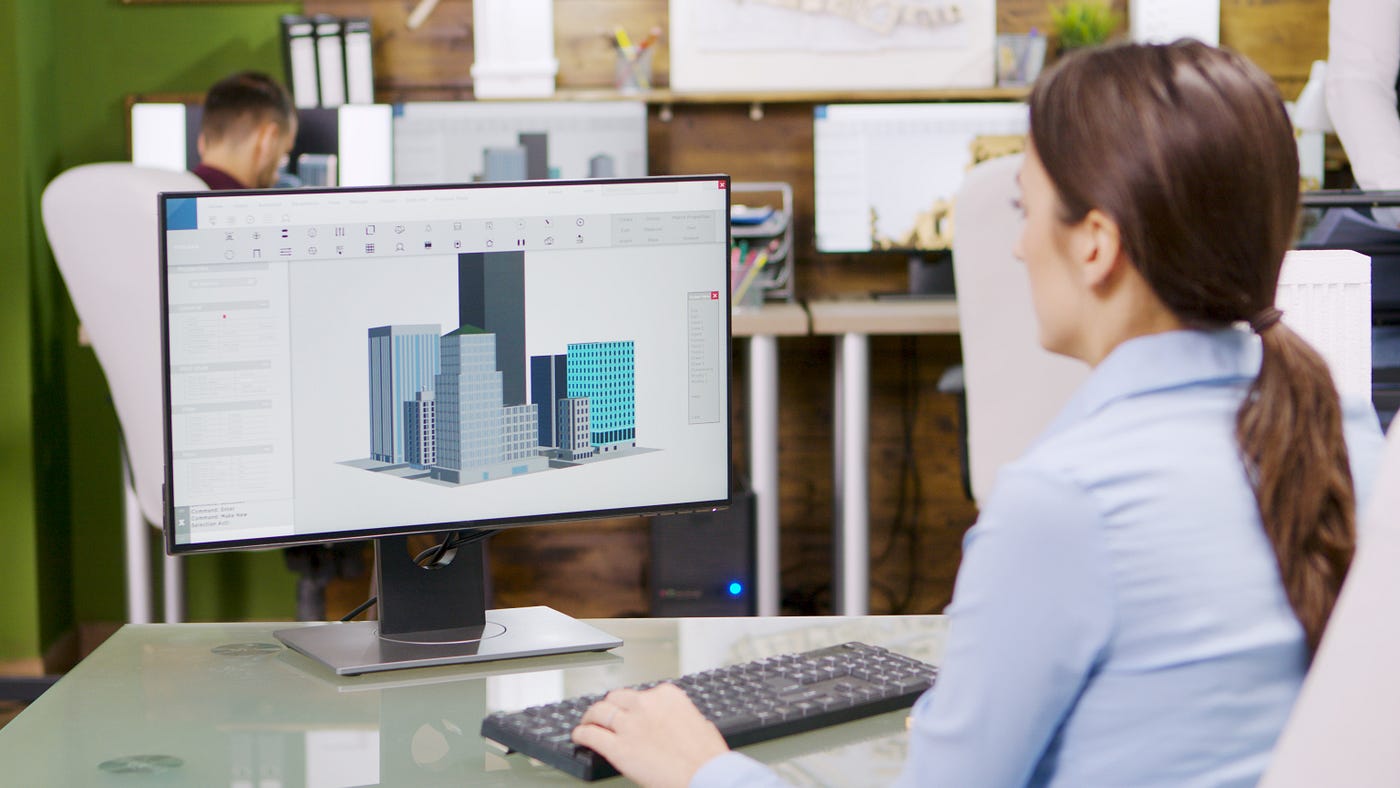
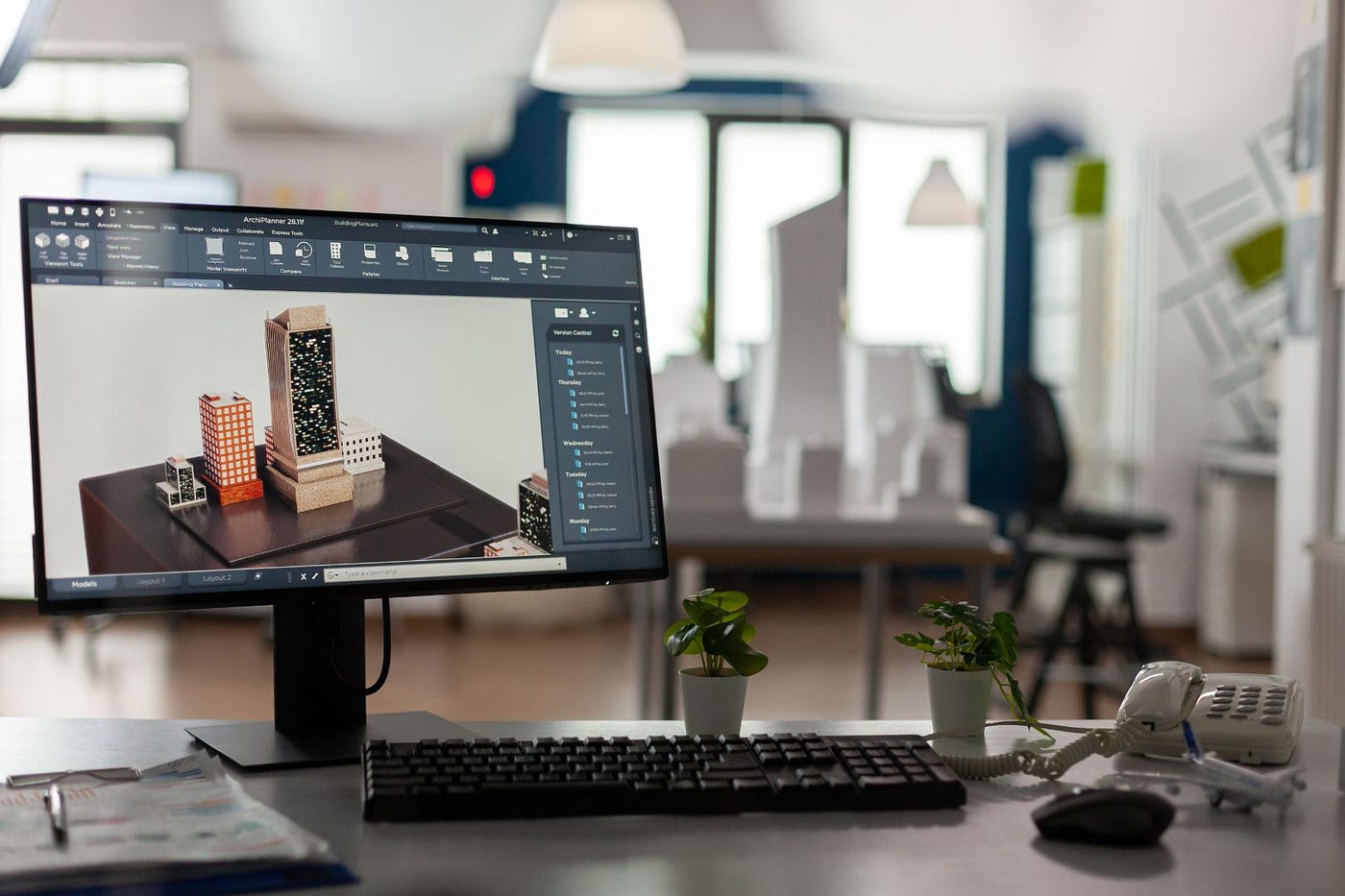
Why BIM Modeling Services Are Reshaping the Future of Construction and Real Estate Development
The construction industry has always struggled with one persistent problem: too many moving parts and not enough coordination.
Why BIM Modeling Services Are Reshaping the Future of Construction and Real Estate Development

The construction industry has always struggled with one persistent problem: too many moving parts and not enough coordination.
Architects create design intent, structural engineers develop support systems, MEP consultants handle building services, contractors manage execution, and developers oversee budgets and timelines. But when these teams work in disconnected environments, even small communication gaps can turn into expensive project issues.
A misplaced duct route, an uncoordinated structural beam, or outdated design revisions can delay entire construction schedules.
This is one of the biggest reasons **BIM Modeling Services** are becoming increasingly important across architecture, engineering, construction, and real estate development.
BIM is helping project teams move from reactive problem-solving to proactive project planning — before construction begins.
What Makes BIM Different From Traditional Design Workflows?
Traditional 2D drafting methods primarily focus on drawings. BIM, on the other hand, focuses on intelligent project data.
A BIM model is more than a visual representation of a building. It contains detailed information about:
- Architectural systems
- Structural components
- Mechanical, electrical, and plumbing layouts
- Material specifications
- Quantities and dimensions
- Construction sequencing
This creates a shared digital environment where project stakeholders can collaborate more efficiently throughout the building lifecycle.
Today, 3D BIM modeling services are widely used for coordination, clash detection, quantity takeoffs, scheduling, visualization, and facility management.
Why Construction Projects Often Experience Delays and Rework
Many construction delays are not caused by labor shortages or material availability alone. They often originate during the design and coordination stages.
Here are some common examples:
- Mechanical systems conflicting with structural elements
- Inconsistent revisions between consultants
- Incorrect quantity estimations
- Poor communication between disciplines
- Design changes discovered during construction
When these issues are identified late, they usually lead to:
- Cost overruns
- Project delays
- Rework
- Material wastage
- Site coordination problems
BIM helps eliminate many of these risks by enabling teams to detect and resolve conflicts digitally before construction begins.
How BIM Modeling Services Improve Coordination
One of the most valuable aspects of BIM is multidisciplinary coordination.
Architectural, structural, and MEP models can be combined into a single coordinated environment where conflicts become easier to identify.
This process is commonly known as clash detection.
For example:
- HVAC ducts interfering with structural framing
- Plumbing systems overlapping electrical routes
- Ceiling layouts conflicting with lighting systems
Instead of discovering these issues on-site, project teams can resolve them during preconstruction planning.
This significantly improves project efficiency and reduces unnecessary construction changes.
Experienced **BIM service providers** often use coordination workflows to help contractors and consultants streamline project execution while improving accuracy.
Real-World Use Case: BIM Coordination in a Hospital Project
A healthcare facility project involving highly complex MEP systems faced major coordination challenges during design development.
The project included:
- Medical gas systems
- Dense HVAC routing
- Specialized electrical infrastructure
- Strict ceiling clearance requirements
Using BIM coordination, the project team integrated all disciplines into a federated 3D model.
During clash analysis, dozens of conflicts between mechanical and structural systems were identified early.
Because these issues were resolved before construction:
- Installation errors were reduced
- Site coordination improved
- Construction delays decreased
- Rework costs were minimized
The contractor later estimated that early BIM coordination prevented significant schedule disruptions during the installation phase.
This illustrates why BIM is increasingly viewed as a project risk-management solution rather than simply a design technology.
The Growing Importance of BIM in Real Estate Development
Real estate developers are also adopting BIM workflows more aggressively because they improve project visibility and planning accuracy.
With BIM, developers can:
- Visualize projects before construction
- Improve investor presentations
- Analyze project feasibility
- Optimize construction sequencing
- Improve cost forecasting
For large residential and commercial developments, this level of planning can significantly improve decision-making during early project stages.
Key Benefits of BIM Modeling Services
Improved Project Coordination
Integrated models reduce communication gaps between consultants and contractors.
Better Construction Accuracy
Design conflicts can be identified and resolved before execution begins.
Reduced Rework
Early issue detection minimizes expensive site modifications.
Enhanced Visualization
3D models improve client understanding and stakeholder presentations.
Greater Cost Efficiency
Accurate planning and quantity extraction help control project budgets.
BIM and the Shift Toward Digital Construction
The global construction industry is rapidly transitioning toward digital workflows.
Governments, infrastructure agencies, and large private developers increasingly require BIM implementation because it improves transparency, project coordination, and operational efficiency.
In many regions, BIM adoption is no longer considered optional for complex projects.
As construction technology continues evolving, firms that embrace BIM are likely to gain significant advantages in efficiency, collaboration, and project delivery quality.
An insightful resource discussing modern digital construction workflows and BIM collaboration methods can be explored through this article on advanced BIM coordination in construction projects.
FAQs
What industries commonly use BIM Modeling Services?
BIM is widely used in architecture, commercial construction, healthcare facilities, residential developments, infrastructure, and industrial projects.
How do BIM services improve construction efficiency?
BIM improves efficiency by reducing coordination issues, minimizing rework, improving planning accuracy, and enhancing collaboration between project teams.
Are BIM models useful after construction is completed?
Yes. BIM models are often used for facility management, maintenance planning, renovations, and lifecycle asset management after project completion.
Conclusion
Modern construction projects demand higher levels of coordination, accuracy, and collaboration than ever before.
BIM Modeling Services help project teams manage complexity more effectively by improving communication, reducing design conflicts, and enabling smarter planning before construction begins.
For architects, builders, contractors, and real estate developers, BIM is rapidly becoming an essential part of delivering efficient and successful projects in an increasingly digital construction environment.
메타데이터
- post_id
- da25b778e69b
- slug
- why-bim-modeling-services-are-reshaping-the-future-of-construction-and-real-estate-development-da25b778e69b
- url
- https://medium.com/@bimhomestudios/why-bim-modeling-services-are-reshaping-the-future-of-construction-and-real-estate-development-da25b778e69b
- canonical_url
- https://medium.com/@bimhomestudios/why-bim-modeling-services-are-reshaping-the-future-of-construction-and-real-estate-development-da25b778e69b
- author_url
- https://medium.com/@bimhomestudios
- status
- ok
- fetched_at
- 2026-06-27 23:56:40