Cloud vs. On-Premise PBX Business Phone Systems: Which Is Right for You?
Clear, reliable communication is the backbone of any successful business. Whether you are managing a team of five or five hundred, the…
Cloud vs. On-Premise PBX Business Phone Systems: Which Is Right for You?
Clear, reliable communication is the backbone of any successful business. Whether you are managing a team of five or five hundred, the right phone infrastructure can make or break your daily operations. For decades, PBX business phone systems have been the gold standard for enterprise-grade internal and external communication across the United States.
This guide explains what PBX systems are, how they work, which types exist, and what features matter most when selecting one for your organization.
What Is a PBX Business Phone System?
PBX stands for Private Branch Exchange. At its core, a PBX system is a private telephone network used within a company. It allows employees to communicate internally using extension numbers and externally with customers and partners through shared external phone lines.
Traditional PBX systems were large, hardware-heavy installations. Today, they have evolved significantly, offering cloud-based, hosted, and managed configurations that are far more accessible and affordable for businesses of all sizes.
How PBX Business Phone Systems Work
A PBX system acts as a central switching hub that manages all incoming and outgoing calls within your organization. When a customer calls your main number, the PBX routes that call based on pre-configured rules, whether to a specific department, an auto-attendant menu, or a voicemail box.
Modern PBX phone systems for business operate over the internet using VoIP (Voice over Internet Protocol) technology, eliminating the need for dedicated phone lines and reducing communication costs substantially.
Types of PBX Business Phone Systems
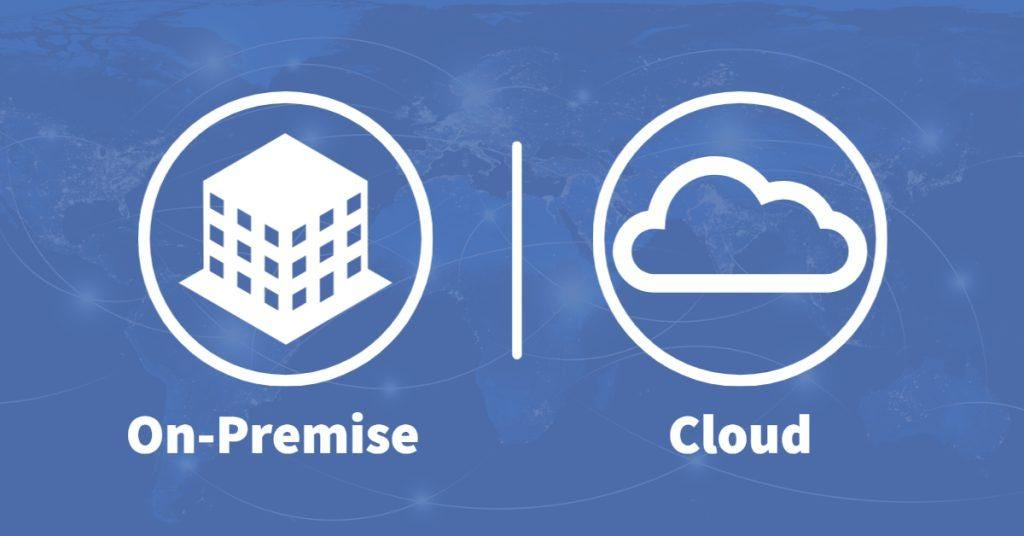
On-Premise PBX
This traditional model involves physical hardware installed at your business location. Your IT team manages and maintains the system. While it offers maximum control, it also requires a higher upfront investment and ongoing maintenance costs.
Cloud PBX
A cloud PBX system is hosted and managed entirely off-site by a service provider. There is no hardware to purchase or maintain on your end. Businesses simply access features through the internet. This model is especially popular with remote and hybrid teams.
Hosted PBX
Hosted PBX is similar to cloud PBX, but your provider may maintain dedicated infrastructure specifically for your business. This option often comes with stronger SLAs and customization options.
Managed PBX
With a managed PBX solution, a third-party provider handles all technical management, monitoring, and support. This is ideal for businesses that lack in-house IT resources.
Key Features to Look for in PBX Business Phone Systems
When evaluating your options, prioritize systems that include the following capabilities:
Auto-Attendant: Greets callers automatically and routes them to the right department without requiring a live receptionist.
Call Routing and Forwarding: Directs calls based on time of day, caller ID, or employee availability.
Voicemail to Email: Converts voicemail messages to audio files delivered directly to an email inbox.
Conference Calling: Supports multi-party calls for team meetings and client discussions.
CRM Integration: Syncs with customer relationship management tools to display caller information instantly.
Scalability: Allows you to add or remove lines and extensions without major infrastructure changes.
Mobile App Support: Lets employees make and receive business calls from smartphones, supporting remote and hybrid work models.
Cloud PBX vs. Managed PBX: Which One Fits Your Business?
Choosing between a cloud and managed PBX depends on your budget, team size, and technical capabilities.
If your business is lean on IT resources and prefers a hands-off approach, reviewing options from the **10 best managed PBX providers in the US** can help you narrow down providers that handle everything on your behalf.
If you want flexibility and fast deployment without any hardware commitments, exploring the **10 best cloud PBX providers in the US** gives you a solid comparison of top-tier options built for modern businesses.
Both models offer enterprise-grade features but differ in cost structure, customization depth, and the level of vendor involvement.
Benefits of PBX Business Phone Systems for U.S. Companies
Cost Efficiency: Modern PBX systems eliminate the need for multiple traditional phone lines. VoIP-based calling dramatically reduces long-distance and international call costs.
Professional Image: Features like auto-attendants and custom on-hold messages give even small businesses a polished, enterprise-level presence.
Improved Productivity: Unified communication tools, including chat, video, and voice in one platform, reduce the friction of switching between apps.
Business Continuity: Cloud-based PBX systems keep your communication running during outages, natural disasters, or remote work scenarios.
Easy Scalability: As your team grows, adding new users and extensions is straightforward with no major rewiring or hardware upgrades required.
Conclusion
PBX business phone systems have come a long way from their hardware-heavy origins. Today, they are flexible, affordable, and packed with features that support how modern U.S. businesses actually operate, whether in the office, remotely, or across multiple locations.
If you are evaluating your options, **Voxtium** is a trusted voice solution provider serving businesses across the United States. With expertise in cloud PBX, managed PBX, and VoIP-based communication systems, Voxtium helps companies build reliable, scalable phone infrastructures tailored to their specific needs. Explore their solutions to find the right fit for your team and take your business communication to the next level.
FAQ: PBX Business Phone Systems
Q: What is the difference between PBX and VoIP? VoIP is the technology that transmits voice calls over the internet. PBX is the system that manages and routes those calls. Most modern PBX systems use VoIP as their underlying technology.
Q: Is a cloud PBX suitable for small businesses? Yes. Cloud PBX systems are particularly well-suited for small businesses because they require no hardware investment and offer monthly subscription pricing that scales with your team.
Q: How much does a PBX business phone system cost? Costs vary by provider and deployment model. On-premise systems carry higher upfront hardware costs, while cloud and hosted PBX solutions typically run between $15 and $50 per user per month.
Q: Can employees use PBX systems while working remotely? Absolutely. Cloud and hosted PBX systems are designed to support remote work. Employees can make and receive business calls from any device with an internet connection.
Q: How long does it take to set up a cloud PBX system? Most cloud PBX providers can have a business fully operational within one to three business days, compared to several weeks for on-premise installations.
메타데이터
- post_id
- da3370e2183f
- slug
- cloud-vs-on-premise-pbx-business-phone-systems-which-is-right-for-you-da3370e2183f
- url
- https://medium.com/@voxtiumvoice/cloud-vs-on-premise-pbx-business-phone-systems-which-is-right-for-you-da3370e2183f
- canonical_url
- https://medium.com/@voxtiumvoice/cloud-vs-on-premise-pbx-business-phone-systems-which-is-right-for-you-da3370e2183f
- author_url
- https://medium.com/@voxtiumvoice
- status
- ok
- fetched_at
- 2026-06-27 18:20:27