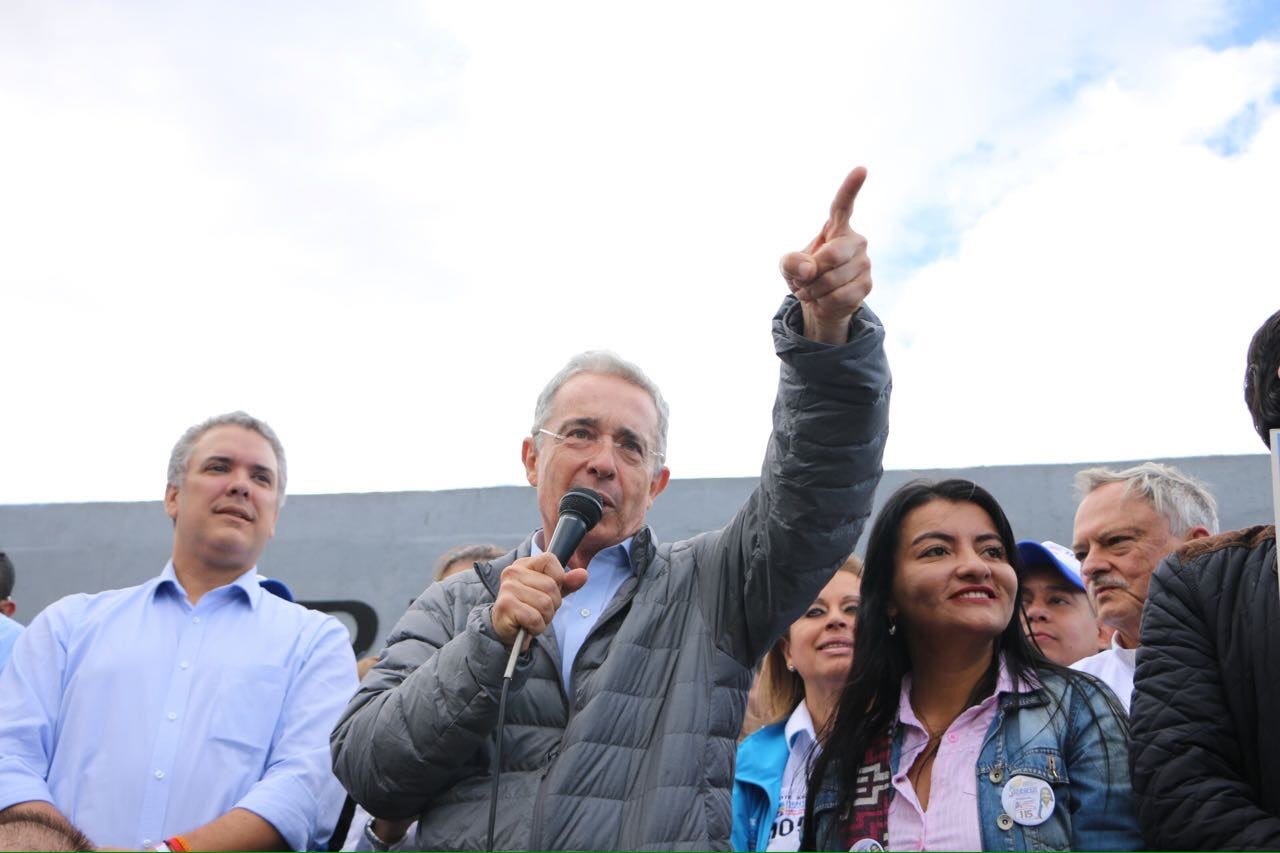
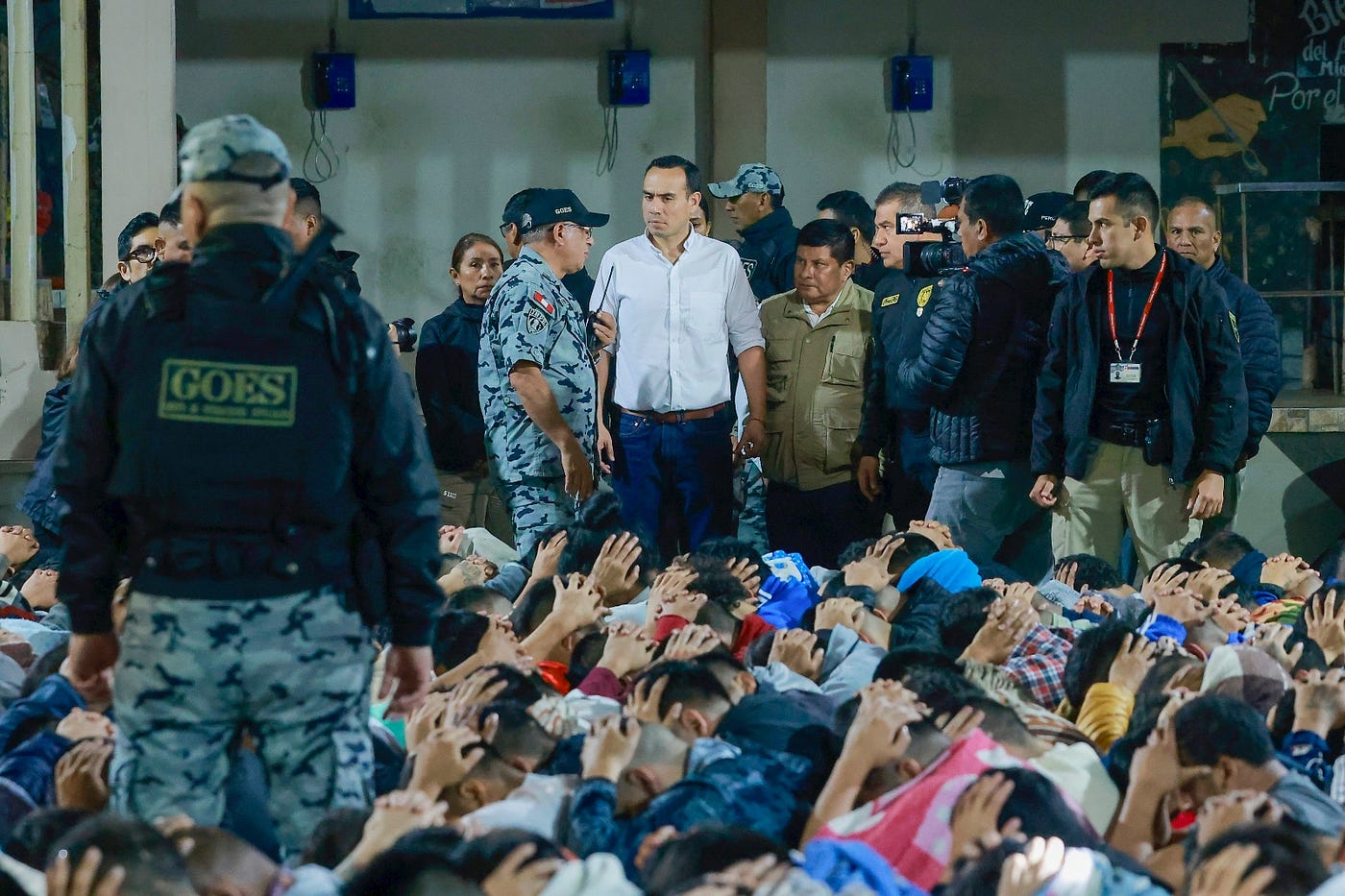
Rodrigo Paz: Between the Hope for Change and a Critical Inheritance
Bolivia held a historic runoff election on Sunday, in which Rodrigo Paz defeated Jorge “Tuto” Quiroga to become the country’s new…
Rodrigo Paz: Between the Hope for Change and a Critical Inheritance
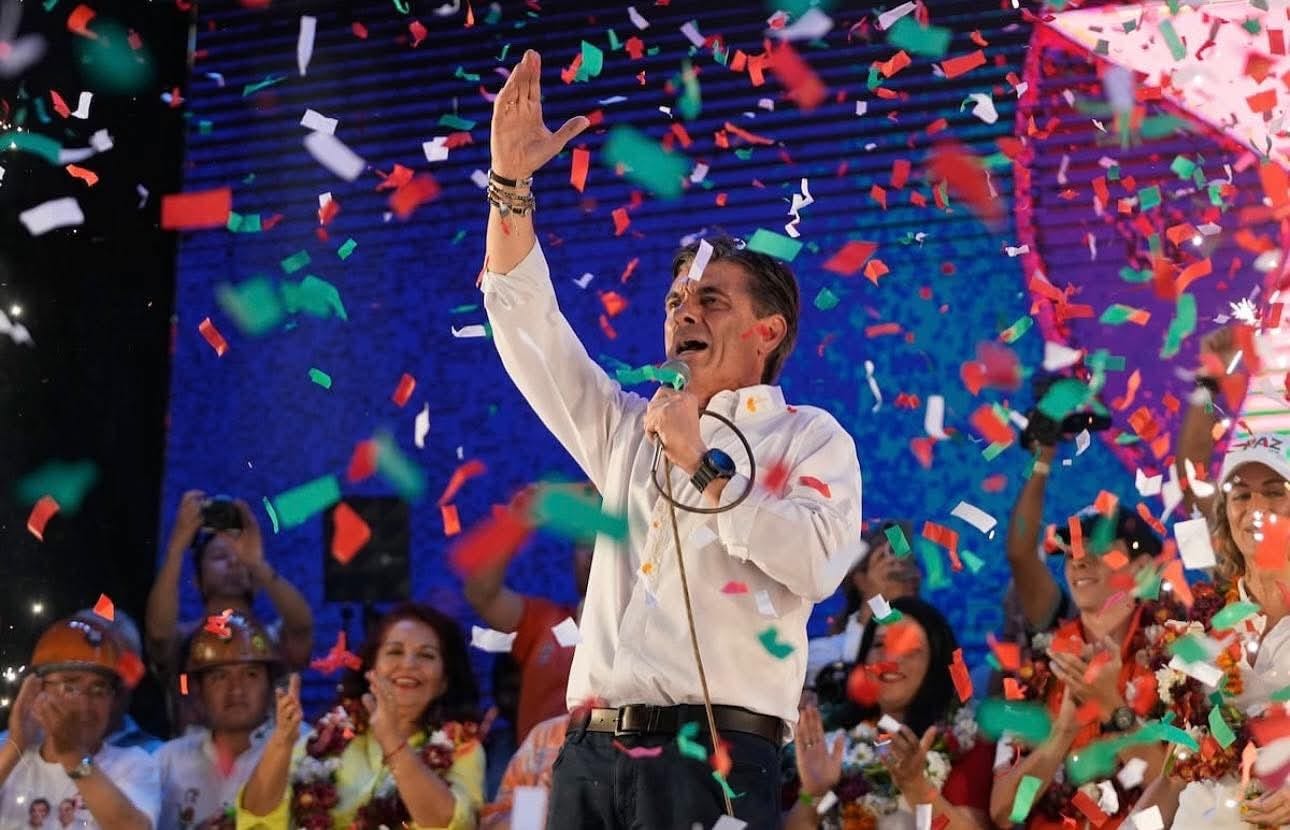
Rodrigo Paz: Between the Hope for Change and a Critical Inheritance
Bolivia held a historic runoff election on Sunday, in which Rodrigo Paz defeated Jorge “Tuto” Quiroga to become the country’s new president.
With 54.53% of the vote — against 45.47% for his rival — the Christian Democratic Party’s candidate reached the highest executive office after more than two decades of governments led by the Movimiento al Socialismo (MAS), awakening a sense of hope among Bolivians.
“The stronger our democracy, the calmer the life of the Bolivian people and the international context will be (…) It is Bolivia that wins through the democratic process. Today, Bolivia has won,” Paz said in his first speech as president-elect, declaring that “winds of change and renewal are blowing.”
However, the optimism surrounding the victory of a political alternative to MAS could quickly fade. In three weeks, when Luis Arce presides over the official transfer of power, Paz will inherit a nation mired in a delicate political, economic, and social context.
Bolivia has been in recession for years, grappling with a deep economic crisis driven mainly by the decline in hydrocarbon production and exports — once the country’s main sources of revenue.
Adding to that are a rising inflation, a shortage of foreign currency in the domestic market, virtually depleted reserves, and a scarcity of basic goods and fuel.
Meanwhile, the lingering influence of Evo Morales and his affinity with regional autocracies have turned Bolivia into a refuge for organized crime and drug trafficking, which operate with impunity across the country.
Morales’s presence is also felt in the political sphere, despite being disqualified from running in the elections and facing an arrest warrant that has confined him to his stronghold in the Tropic of Cochabamba.
Still wielding significant influence, the former president remains one of the most powerful figures among social movements, which do not hesitate to take to the streets, organize protests and blockades, or disrupt government action by any means necessary.
His allies in the judiciary and the legislature are no less active, as a number of officials and politicians have been seen working in his favor.
In this context of economic fragility, deep social polarization, and a fragmented parliament, Paz will take office in a country urgently in need of stability, dialogue, and solutions to long-standing demands.
The new government has outlined its platform under the slogan “Capitalism for All,” centered on reducing public spending, redistributing the national budget, and seeking domestic financing — thus ruling out multilateral lenders — through improved fiscal management.
It has also prioritized restoring Bolivia’s international presence, distancing itself from the dictatorships of Cuba, Nicaragua, and Venezuela, with which the country had grown close in recent years. In fact, despite the absence of diplomatic relations since 2008, U.S. Secretary of State Marco Rubio said on Sunday that “after two decades of mismanagement, the election of President-elect Paz represents a transformative opportunity for both nations,” adding that Washington “is ready to cooperate on shared priorities, including ending illegal immigration, improving market access for bilateral investment, and combating transnational criminal organizations to strengthen regional security.”
The first steps taken by Paz — and the decisions he makes in the coming weeks — will determine not only the fate of his presidency but also the political direction of a Bolivia that seeks to believe in democracy once again. His ability to navigate a complex political landscape, foster dialogue, and contain the country’s deep economic crisis will reveal whether Bolivia can finally move beyond the polarization of the past decade and lay the foundations for lasting governance — or slip back into the abyss of continuity.
메타데이터
- post_id
- da81ef8c1301
- slug
- rodrigo-paz-between-the-hope-for-change-and-a-critical-inheritance-da81ef8c1301
- url
- https://medium.com/@inesehulech/rodrigo-paz-between-the-hope-for-change-and-a-critical-inheritance-da81ef8c1301
- canonical_url
- https://medium.com/@inesehulech/rodrigo-paz-between-the-hope-for-change-and-a-critical-inheritance-da81ef8c1301
- author_url
- https://medium.com/@inesehulech
- status
- ok
- fetched_at
- 2026-07-07 22:13:32