How AI Is Transforming the Future of Fitness
A few years ago, most fitness technology could only count steps, estimate calories, and send basic workout reminders. Today, artificial…
How AI Is Transforming the Future of Fitness
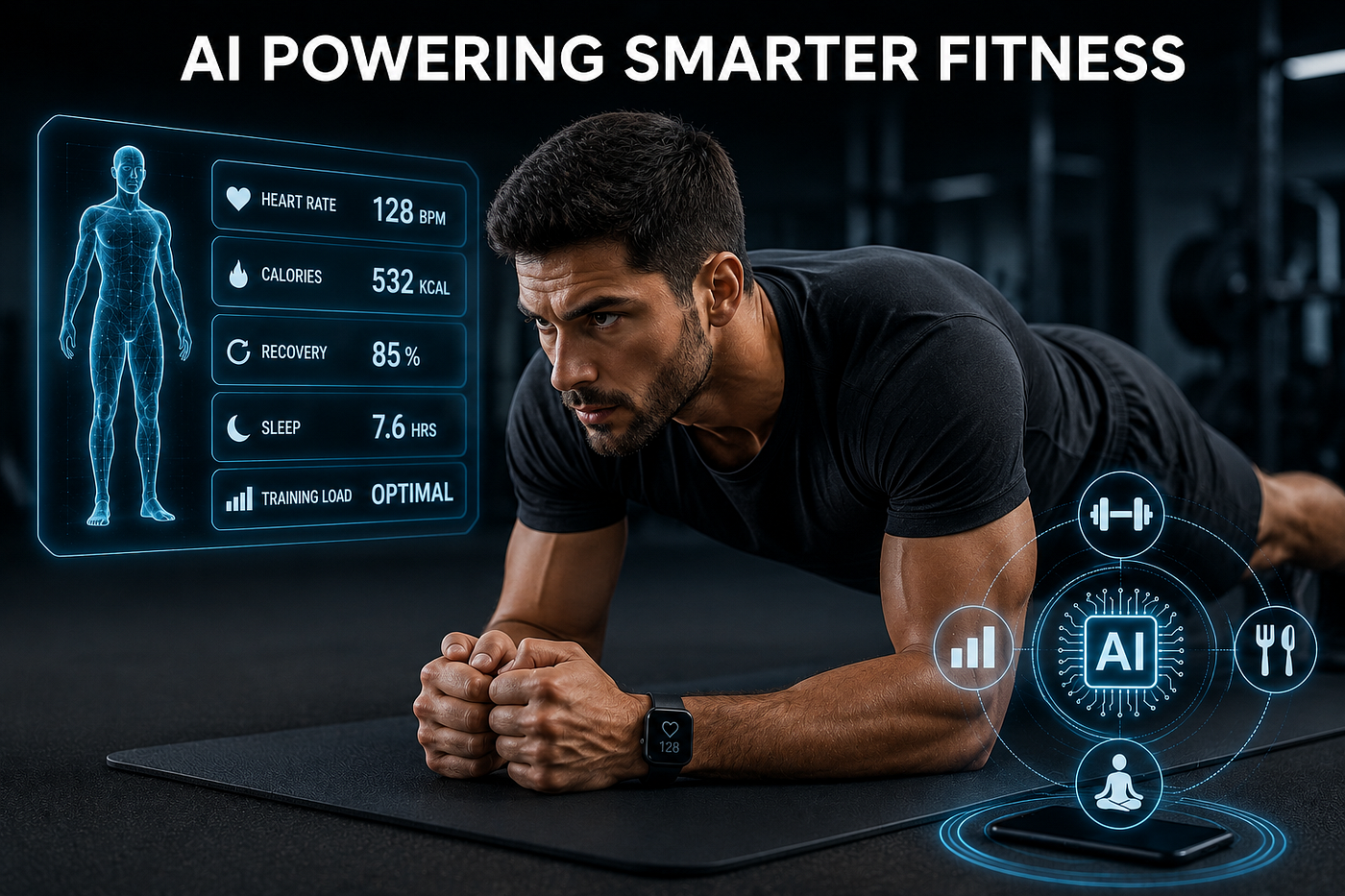
A few years ago, most fitness technology could only count steps, estimate calories, and send basic workout reminders. Today, artificial intelligence is reshaping the entire fitness experience — from personalized workout coaching to recovery analysis, nutrition guidance, and real-time performance feedback.
AI is no longer just a feature inside fitness apps. It is becoming the foundation of modern health and wellness systems. Whether someone trains at home, visits a gym, runs outdoors, or follows a rehabilitation program, AI is changing how people exercise, recover, and stay consistent.
The fitness industry is entering a new era where technology understands human behavior better than ever before.
The Shift From Generic Workouts to Personalized Training
One of the biggest problems in traditional fitness has always been the “one-size-fits-all” approach.
Most workout plans are created for large groups of people instead of individuals. But every person has different goals, body types, recovery abilities, schedules, and limitations.
AI changes this completely.
Modern AI-powered fitness platforms analyze user behavior, workout history, heart rate data, sleep quality, stress levels, and movement patterns to build highly personalized programs. Instead of following a static routine for months, users now receive adaptive training plans that evolve based on real performance.
For example:
- If someone is recovering slowly, the app may reduce workout intensity.
- If performance improves, the program may automatically increase difficulty.
- If sleep quality drops, the system may recommend lighter recovery sessions.
This creates a training experience that feels more intelligent and responsive.
Fitness is no longer about blindly following a plan. It is about receiving guidance tailored specifically to the individual.
AI Coaches Are Becoming Everyday Training Partners
Personal trainers remain valuable, but AI coaching systems are becoming increasingly common because they offer convenience, accessibility, and affordability.
Today’s AI fitness assistants can:
- Demonstrate exercises
- Correct workout form
- Recommend recovery strategies
- Track long-term progress
- Provide motivational reminders
- Answer health and fitness questions instantly
Some advanced systems now use cameras, sensors, and computer vision to analyze movement patterns in real time. AI can identify poor posture, incorrect squat depth, or unstable movement mechanics during exercise sessions.
This technology helps users train more safely while improving technique.
For beginners, this can reduce the intimidation factor often associated with gyms and personal coaching. Many people feel more comfortable learning privately through AI-guided systems before joining traditional fitness environments.
At the same time, experienced athletes are using AI to fine-tune performance, optimize recovery, and monitor fatigue levels with incredible precision.
Wearables Are Evolving Into Intelligent Health Systems
Fitness wearables used to focus mainly on counting steps and displaying heart rate numbers. That is rapidly changing.
Modern wearable technology is becoming smarter, more predictive, and more useful. AI now interprets biometric data instead of simply displaying it.
New AI-powered wearables can monitor:
- Recovery readiness
- Sleep quality
- Stress patterns
- Heart rate variability
- Fatigue trends
- Workout efficiency
- Long-term health changes
Some systems can even detect when the body is under excessive strain before the user notices symptoms themselves.
This shift represents a major transformation in fitness technology.
Instead of simply collecting data, AI systems now provide context and actionable recommendations.
For example:
- “Your recovery score is low today.”
- “You may benefit from mobility training instead of high-intensity cardio.”
- “Your recent sleep pattern suggests elevated fatigue.”
- “Your training load has increased too quickly.”
This type of intelligent feedback helps users avoid overtraining and make smarter health decisions.
Recovery and Longevity Are Becoming Priorities
The fitness world is no longer focused only on aesthetics or short-term performance.
More people are prioritizing long-term health, mobility, injury prevention, and recovery. AI is playing a major role in this shift.
AI systems can identify patterns that humans often miss.
For example:
- Declining sleep quality
- Increased stress markers
- Reduced workout efficiency
- Signs of overtraining
- Recovery inconsistencies
This allows users to balance training intensity with proper recovery.
Instead of encouraging people to constantly “push harder,” AI systems increasingly focus on sustainability and long-term progress.
This is especially important because many people quit fitness programs due to burnout, injuries, or unrealistic expectations.
Smarter recovery strategies help people remain consistent over time.
And consistency has always been more important than intensity.
AI and Nutrition Are Becoming More Connected
Fitness and nutrition have always worked together, but AI is helping bridge the gap more effectively.
Modern fitness platforms can now generate meal recommendations based on:
- Workout intensity
- Body composition goals
- Calorie expenditure
- Sleep patterns
- Recovery status
- Daily activity levels
Instead of generic diet plans, users receive adaptive nutritional guidance that changes based on their progress.
For example:
- A high-intensity training day may trigger increased protein or carbohydrate recommendations.
- A recovery-focused day may prioritize hydration and lighter meals.
- AI can suggest eating patterns aligned with weight loss, muscle gain, or endurance goals.
This creates a more complete wellness ecosystem where exercise, recovery, and nutrition operate together instead of separately.
The Rise of Hybrid Fitness Experiences
AI is also changing how people interact with gyms and fitness professionals.
Many trainers now combine traditional coaching with AI-assisted tools. Instead of replacing trainers, AI often handles repetitive tasks like:
- Progress tracking
- Program adjustments
- Check-in summaries
- Scheduling
- Data analysis
This gives coaches more time to focus on human interaction, accountability, and motivation.
The result is a hybrid model where AI improves efficiency while humans continue providing emotional support and personal connection.
This balance may become the future of coaching.
Because while AI can analyze numbers, human coaches still understand emotions, life circumstances, confidence issues, and motivation in ways technology cannot fully replicate.
AI Makes Fitness More Accessible
One of the most important benefits of AI in fitness is accessibility.
Not everyone can afford expensive gym memberships or personal trainers. AI-powered platforms make guided fitness support available to a much larger audience.
People can now receive structured coaching from home using only:
- Smartphones
- Smart watches
- Fitness apps
- Cameras
- Basic equipment
This democratization of fitness is expanding access worldwide.
Someone in a small apartment can now access coaching experiences that once required high-end gyms or professional trainers.
AI also helps people with different fitness levels feel more included.
Beginners receive simplified instructions and gradual progression plans. Advanced users receive performance optimization and detailed analytics.
The system adapts to the individual rather than forcing everyone into the same model.
Privacy and Ethical Concerns Still Exist
Despite the benefits, AI in fitness also raises important concerns.
Fitness apps collect enormous amounts of personal health data, including:
- Heart rate information
- Sleep patterns
- Location tracking
- Workout habits
- Stress indicators
- Medical-related insights
As AI systems become more advanced, questions about privacy, security, and data ownership become increasingly important.
Users want personalization, but they also want control over their information.
There is also concern about people becoming too dependent on AI recommendations. Experts warn that technology should support human decision-making rather than completely replace it.
Fitness is still deeply personal.
No algorithm fully understands every emotional, psychological, or physical factor influencing someone’s health journey.
This is why many experts believe the future lies in collaboration between humans and AI — not replacement.
What the Future Could Look Like
The next generation of AI fitness technology may become even more immersive and predictive.
Future systems could include:
- Fully adaptive home gyms
- AI-powered rehabilitation programs
- Real-time injury prevention
- Voice-based fitness assistants
- Smart mirrors with movement correction
- Predictive health monitoring
- Emotion-aware coaching systems
AI may eventually detect burnout, stress, or declining health before noticeable symptoms appear.
Wearables may evolve into continuous wellness companions that guide daily decisions related to exercise, recovery, sleep, and mental health.
Fitness could become more proactive instead of reactive.
Instead of waiting for injuries, exhaustion, or poor health outcomes, AI systems may help prevent them early.
To Sum It Up
AI is transforming fitness from a generic activity into a highly personalized experience.
The biggest change is not simply better technology. It is better understanding.
AI helps interpret human behavior, recovery, movement, and performance in ways that were previously impossible at scale.
From intelligent wearables and adaptive coaching to smarter recovery systems and personalized nutrition, the fitness industry is becoming more data-driven, accessible, and individualized than ever before.
But even as technology advances, the human side of fitness still matters.
Motivation, discipline, accountability, and emotional support remain deeply human experiences.
The future of fitness will likely belong to people and businesses that successfully combine both worlds — the intelligence of AI and the empathy of human connection.
메타데이터
- post_id
- dacda43ff706
- slug
- how-ai-is-transforming-the-future-of-fitness-dacda43ff706
- url
- https://medium.com/@fitnesswarehousedeal/how-ai-is-transforming-the-future-of-fitness-dacda43ff706
- canonical_url
- https://medium.com/@fitnesswarehousedeal/how-ai-is-transforming-the-future-of-fitness-dacda43ff706
- author_url
- https://medium.com/@fitnesswarehousedeal
- status
- ok
- fetched_at
- 2026-06-09 15:37:30





