What Your Car Says About Your Personality
Long before you open your mouth at a dinner party, your car has already introduced you. Psychologists have long explored how our…
What Your Car Says About Your Personality
Long before you open your mouth at a dinner party, your car has already introduced you. Psychologists have long explored how our possessions reflect our identities — and few possessions do it quite as loudly, publicly, or emotionally as the car parked in your driveway.
Think about it: you didn’t just buy your car. You chose it. Out of thousands of makes, models, colors, and configurations, you picked that one. And whether you agonised over the decision for months or fell for it on a test drive, that choice was never purely rational. It was deeply, unmistakably personal.
Research in consumer psychology consistently shows that people select cars that align with — or aspire toward — their self-concept. Your car communicates status, values, adventure level, practicality, and even how much you care (or don’t care) about what others think. Let’s take a drive through what the science says.
Six Cars, Six Personalities
While no two drivers are the same, researchers and automotive psychologists have identified consistent personality clusters tied to vehicle categories. Here’s what your choice of wheels likely reveals about you.
The Sports Car Driver
Extroverted · Sensation-Seeking · Confident
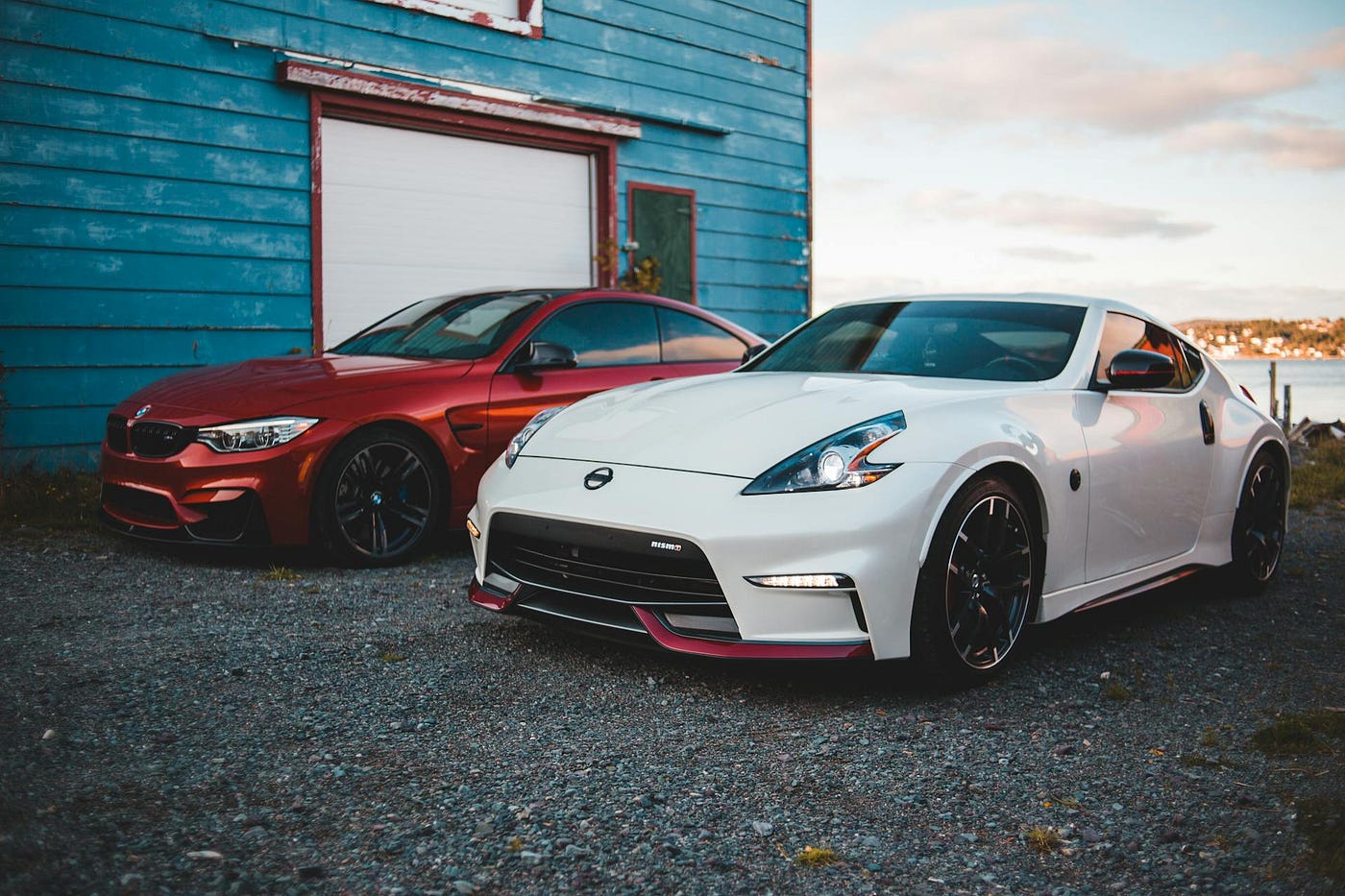
Studies link sports car ownership with high levels of extraversion and a strong need for stimulation. You live for the merge, the rev, the open road. You’re competitive and self-assured — sometimes to a fault. You like being noticed, and you’ve made peace with that.
The SUV or Truck Driver
Practical · Family-Oriented · Security-Conscious

SUV and truck drivers tend to score high on conscientiousness. You’re a planner. You think about cargo space, towing capacity, and what would happen in a collision. Family, responsibility, and utility matter more to you than turning heads — even if your truck is pretty impressive anyway.
The Hybrid or EV Driver
Environmentally Aware · Forward-Thinking · Values-Led

Research published in the Journal of Consumer Psychology found that hybrid and EV owners are strongly motivated by identity signalling around environmental responsibility. You’re not just buying a car — you’re making a statement about the world you want to live in. And you’ve probably calculated your carbon footprint at least twice.
The Compact or Economy Car Driver
Sensible · Independent · No-Nonsense

You’re not here to impress anyone. You did the maths, checked the reliability ratings, and chose accordingly. Psychologists associate this group with high openness to pragmatic thinking and a healthy indifference to social pressure. You know exactly what a car is for — and it isn’t a personality crutch.
The Beater or High-Mileage Veteran
Nostalgic · Resilient · Sentimental

You’re still driving it because it runs — mostly — and because letting go feels like a betrayal. There’s history in those miles. Psychologists call this the “endowment effect”: we overvalue things we already own, especially things tied to memory and identity. Your car isn’t just a car. It’s a chapter.
The Minivan Driver
Selfless · Community-Oriented · Quietly Confident

You made a decision that required leaving ego at the dealership door — and you’re completely fine with it. Minivan drivers consistently rank high in agreeableness and low in neuroticism. You are, statistically, among the most emotionally balanced people on the road. The sliding doors are your superpower.
It’s Not Just What You Drive — It’s How You Drive It
The model is only part of the story. Car colour has its own psychology. Black car owners are often associated with prestige-seeking and a desire for control. Silver signals practicality and a forward-thinking mindset. Red drivers crave attention and energy. White communicates cleanliness and simplicity — or a very good lease deal.
Then there’s condition. A spotless, freshly waxed vehicle suggests someone who values order and presentation. A car filled with coffee cups, gym bags, and three-week-old parking tickets? That’s someone living life at full sprint — probably creative, probably late to meetings, almost certainly interesting at parties.
The Psychology of Keeping a Car Too Long
There’s a fascinating psychological phenomenon called the sunk cost fallacy that keeps many of us pouring money into ageing vehicles long past their economic prime. We reason: “I’ve already spent $3,000 on repairs this year — I can’t sell it now.” But that $3,000 is gone regardless of what we decide next. The rational question is always: what does the future cost? Recognising this bias is the first step to making a clear-eyed decision about whether your car still serves you — or whether you’re serving it.
Why Saying Goodbye to a Car Hurts
Ask most people to describe their first car and watch what happens. Their eyes drift slightly. A small smile appears. They don’t just remember the car — they remember who they were when they drove it. The freedom, the road trips, the late nights, the person in the passenger seat.
This is what psychologists call object attachment — the very human tendency to imbue inanimate things with emotional significance. Our cars carry our memories like passengers. They’ve been with us through jobs, cities, relationships, and milestones. Letting go of them can feel unexpectedly like grief.
But here’s what’s also true: that attachment can cloud our judgment. When a car stops being a reliable companion and starts being a source of stress, anxiety, and unexpected repair bills, clinging to it doesn’t honour the history — it just delays the relief of moving on.
Many people who finally give up an ageing car describe the same surprising emotion afterward: lightness. Sometimes the most psychologically healthy thing you can do is let go — and there are practical ways to do that on your own terms. Services like cash for cars allow you to convert that old chapter into something new, quickly and without the drama of private sales. The goodbye doesn’t have to be complicated.
The Car You Drive Today vs. the One You Need Tomorrow
Personality is not fixed, and neither are our automotive needs. The sports car that thrilled your 28-year-old self may not speak to who you are at 42. The truck you needed for that renovation project has been sitting idle for two years. Life moves, and ideally, so does our relationship with our vehicles.
The most psychologically self-aware car owners are the ones who can ask themselves honestly: does this car still reflect who I am — and who I want to be? Sometimes the answer is yes. Sometimes it’s time for a new chapter.
Whatever that next chapter looks like, it starts with understanding that your car has always been more than metal and wheels. It’s been a statement, a companion, a memory-keeper. Treat it accordingly — and know when it’s time to pass it on.
메타데이터
- post_id
- daebd7bc131b
- slug
- what-your-car-says-about-your-personality-daebd7bc131b
- url
- https://medium.com/@scrapcarbuyermississauga/what-your-car-says-about-your-personality-daebd7bc131b
- canonical_url
- https://medium.com/@scrapcarbuyermississauga/what-your-car-says-about-your-personality-daebd7bc131b
- author_url
- https://medium.com/@scrapcarbuyermississauga
- status
- ok
- fetched_at
- 2026-06-09 15:37:30