How to Remove Operational Bottlenecks
Every growing business reaches a stage where progress begins to slow, despite increasing demand. Sales may be healthy, your team may be…
How to Remove Operational Bottlenecks
Every growing business reaches a stage where progress begins to slow, despite increasing demand. Sales may be healthy, your team may be working harder than ever, yet profits remain stagnant and customers start experiencing delays. In many cases, the problem isn’t a lack of opportunities — it’s the inability to remove operational bottlenecks that restrict growth.
Business Growth
Identifying and resolving these constraints is one of the fastest ways to improve productivity, increase profitability and create a business that can scale sustainably.
At Leap2Growth, businesses across industries such as automotive repair, dental practices, engineering, manufacturing and digital marketing have successfully transformed their operations using structured growth strategies. Instead of working longer hours, they focus on improving systems, strengthening leadership and eliminating the obstacles preventing consistent growth.
What Are Operational Bottlenecks?
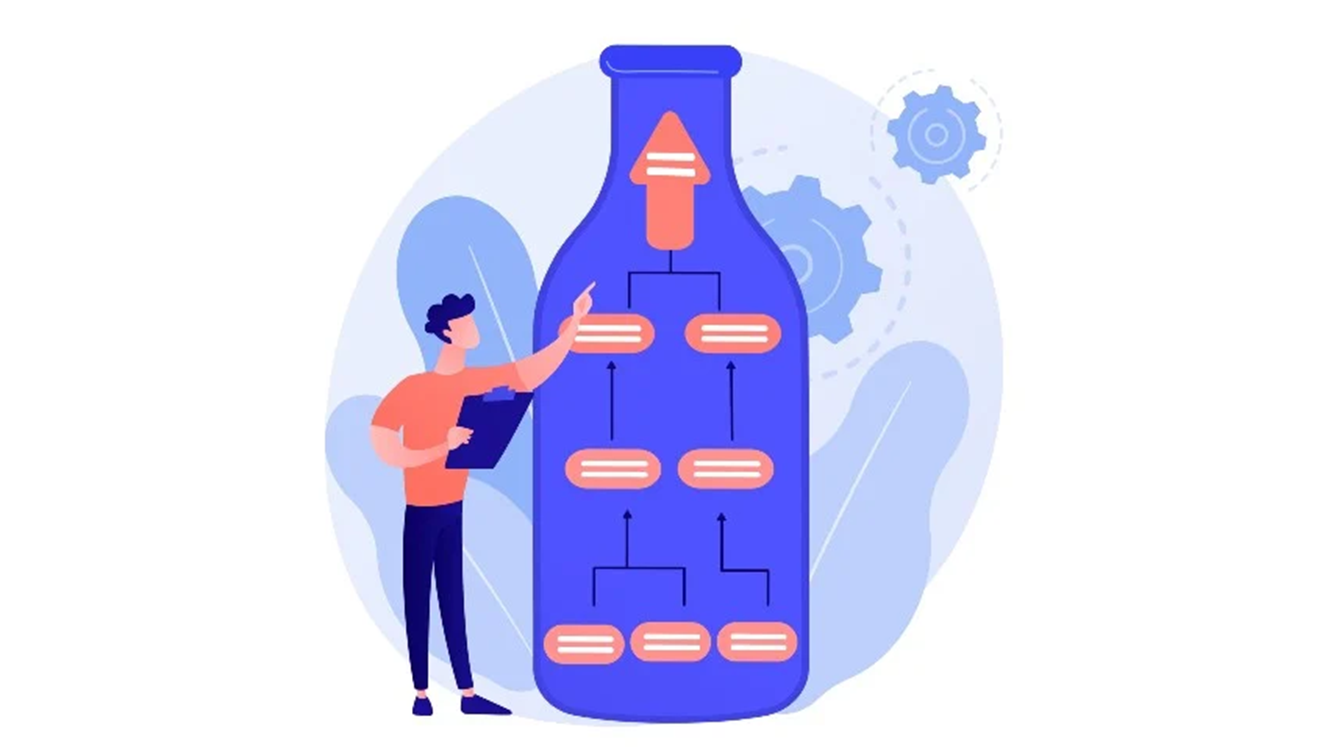
An operational bottleneck is any process, system or resource that restricts the flow of work within your business. Much like the narrow neck of a bottle slows the movement of liquid, a bottleneck prevents work from moving efficiently through your organisation.
Some bottlenecks develop gradually as a business grows, whilst others appear after introducing new products, hiring additional staff or expanding into new markets.
Common examples include:
● Delayed customer enquiries
● Slow quotation or proposal processes
● Poor communication between departments
● Manual administrative tasks
● Limited production capacity
● Decision-making relying on one individual
● Inefficient scheduling
● Outdated software or business systems
These issues often seem minor individually, but together they can significantly affect customer satisfaction, team performance and profitability.
Why Removing Operational Bottlenecks Matters
Business owners frequently focus on generating more leads or increasing marketing spend. However, attracting more customers into an inefficient business simply magnifies existing problems.
Removing operational bottlenecks allows your business to handle greater demand without increasing unnecessary costs.
The benefits include:
● Faster project delivery
● Improved customer experience
● Increased productivity
● Better cash flow
● Reduced operational costs
● Higher employee engagement
● Greater capacity for business growth
Rather than constantly reacting to problems, businesses become proactive, organised and better prepared for long-term success.
Recognising the Warning Signs
Many business owners don’t realise bottlenecks exist because they develop gradually over time.
Watch for these common warning signs.
Your Team Is Always Busy but Results Are Not Improving
Working longer hours does not always translate into better performance.
If your employees appear constantly occupied but projects continue falling behind schedule, there may be an underlying process restricting productivity rather than a shortage of effort.
Customers Experience Delays
Missed deadlines, slow response times or extended delivery periods often indicate operational constraints.
Customers value reliability. Repeated delays can affect your reputation and reduce repeat business.
One Person Controls Everything
Many small businesses depend heavily on the owner or a senior manager for approvals and decision-making.
Whilst understandable during the early stages of growth, this approach eventually creates a significant bottleneck.
Delegating responsibility and developing leadership capability enables decisions to be made more efficiently across the organisation.
Administration Consumes Valuable Time
Manual paperwork, duplicate data entry and disconnected software systems frequently consume hours that could be spent serving customers or developing the business.
Automation and improved business processes often provide immediate productivity improvements.
The Most Common Causes of Operational Bottlenecks
Understanding the root cause is essential before implementing solutions.
Poorly Defined Processes
Without documented procedures, employees often complete the same task differently.
This inconsistency creates confusion, increases errors and slows productivity.
Well-defined operating procedures improve quality whilst making training considerably easier.
Insufficient Capacity
Businesses sometimes outgrow their existing resources.
This could include:
● Too few employees
● Limited equipment
● Outdated technology
● Restricted workspace
● Inadequate scheduling systems
Expanding capacity strategically often removes significant constraints without increasing unnecessary overheads.
Communication Breakdowns
Information delays are among the most overlooked operational bottlenecks.
When departments fail to communicate effectively, work stops whilst employees wait for approvals, missing information or customer responses.
Improving communication systems helps maintain momentum throughout the business.
How to Remove Operational Bottlenecks Effectively
Successfully removing bottlenecks requires more than simply fixing isolated problems. It demands a structured approach that examines the entire customer journey and identifies where efficiency can be improved.
Map Your Business Processes
Start by documenting every stage of your workflow.
Consider questions such as:
● Where do projects regularly slow down?
● Which tasks require repeated corrections?
● Where do customers experience delays?
● Which activities depend on a single individual?
● Which processes generate the greatest frustration for employees?
Mapping workflows provides valuable visibility into areas where improvement will have the greatest impact.
Measure Before Making Changes
Effective business improvement should always be supported by measurable data.
Track key performance indicators such as:
● Customer response times
● Project completion times
● Lead conversion rates
● Revenue per employee
● Gross profit margins
● Customer satisfaction
● Staff utilisation
By measuring current performance, business owners can evaluate whether operational improvements deliver meaningful results.
At Leap2Growth, this analytical approach forms the foundation of every growth strategy. Through a structured, hands-on methodology, businesses gain clarity on the operational challenges limiting their performance before implementing practical solutions.
Businesses looking to accelerate sustainable growth can also learn more about the company’s approach and founder by visiting the About Auden Dery where the proven four-phase business growth system is explained in greater detail.
Build Systems That Scale
One of the biggest differences between businesses that plateau and those that continue growing is the quality of their systems.
Instead of relying on memory or individual experience, successful businesses create repeatable processes that deliver consistent results.
Examples include:
● Standard operating procedures (SOPs)
● Automated customer follow-ups
● Digital job management systems
● Customer relationship management (CRM) software
● Scheduled performance reviews
● Workflow automation
Well-designed systems reduce human error, improve consistency and allow your team to focus on higher-value activities.
Develop a High-Performing Team
Operational bottlenecks are not always caused by technology. Sometimes they stem from unclear responsibilities or insufficient training.
Empower Your Team
Employees should understand:
● Their responsibilities
● Performance expectations
● Decision-making authority
● Business objectives
When people have clarity and confidence, they require less supervision and can solve problems more effectively.
Invest in Leadership
Growing businesses need leaders, not just managers.
Developing leadership skills throughout your organisation improves communication, accountability and decision-making while reducing reliance on the business owner.
This creates a more resilient business capable of handling growth without constant intervention.
Use Business Data to Drive Continuous Improvement
Removing operational bottlenecks is not a one-off exercise. As your business evolves, new constraints will naturally emerge.
Successful organisations regularly review performance using meaningful data.
Key metrics to monitor include:
● Customer acquisition cost
● Gross profit margin
● Average project completion time
● Customer retention rate
● Team productivity
● Sales conversion rate
● Capacity utilisation
Reviewing these figures consistently allows you to identify emerging bottlenecks before they begin affecting profitability or customer satisfaction.
How Leap2Growth Helps Businesses Remove Operational Bottlenecks
Many business owners know something is limiting growth but struggle to identify the root cause.
Leap2Growth works alongside service-based businesses to uncover operational constraints and implement practical solutions that deliver measurable improvements.
Led by Auden Dery, a former British Army officer with a BSc (Honours), Leap2Growth combines disciplined strategic planning with hands-on business consulting. Rather than offering generic advice, the team works closely with selected clients to strengthen operations, improve leadership, increase profitability and build scalable systems.
Whether you operate an automotive repair workshop, engineering company, manufacturing business, dental practice or digital marketing agency, the focus remains the same: remove the obstacles preventing sustainable growth.
If you would like an objective view of your business performance, visit the **Leap2Growth **to explore the proven four-phase business growth system.
Conclusion
Every growing business encounters operational bottlenecks at some stage. The difference between businesses that continue to grow and those that stagnate lies in how quickly they recognise and address these challenges.
By improving workflows, documenting processes, developing capable leaders and making informed decisions based on data, you can create a business that operates more efficiently, serves customers better and generates stronger profits without unnecessary complexity.
If you believe hidden operational bottlenecks are limiting your business, now is the ideal time to take action. Book a free business assessment with [Leap2Growth ](https://leap2growth.com/contact/)and discover practical opportunities to improve efficiency, increase profitability and build a business designed for long-term, sustainable growth.
메타데이터
- post_id
- daed5e545f9a
- slug
- how-to-remove-operational-bottlenecks-daed5e545f9a
- url
- https://medium.com/@leap2growth/how-to-remove-operational-bottlenecks-daed5e545f9a
- canonical_url
- https://medium.com/@leap2growth/how-to-remove-operational-bottlenecks-daed5e545f9a
- author_url
- https://medium.com/@leap2growth
- status
- ok
- fetched_at
- 2026-08-07 19:11:23