Jaw Pain When You Chew? It’s Not Just Your Teeth — Here’s What’s Really Going On
Why Masseter, Temporalis, and Pterygoid Muscles Hold the Key to Your Jaw Dysfunction
Jaw Pain When You Chew? It’s Not Just Your Teeth — Here’s What’s Really Going On
Why Masseter, Temporalis, and Pterygoid Muscles Hold the Key to Your Jaw Dysfunction
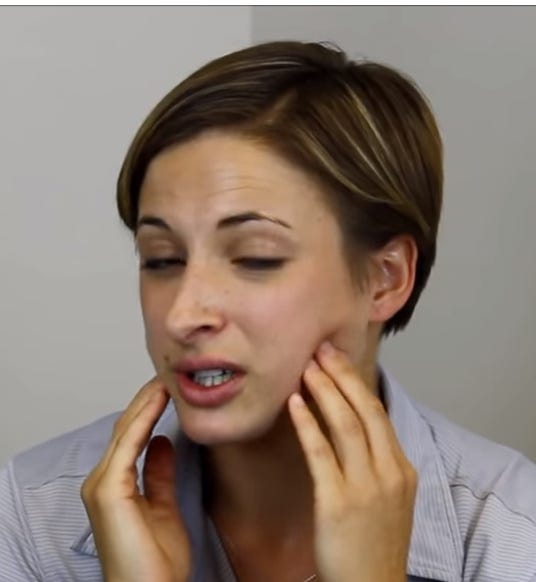
Have you ever felt sharp jaw pain after chewing something tough or yawning too wide? Maybe it started after a dental procedure like wisdom tooth extraction, and now every bite feels like a strain. You might even find yourself pressing on your jaw at night just to fall asleep. This kind of pain isn’t just frustrating — it can interfere with your daily life.
Most people assume jaw pain comes from dental issues, but in reality, your muscles and joints are often to blame. If you’ve ever heard a “click” when opening your mouth or felt stiffness after a long meal, your jaw joint and surrounding muscles might be the real problem.
Let’s break down what’s happening and what you can do to fix it.
It’s Not Just Your Jaw — It’s a System
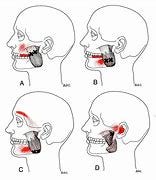
Your jaw isn’t working in isolation. The masseter (your main chewing muscle), the temporalis (the fan-shaped muscle at your temples), and the lateral pterygoid (a deep muscle inside your cheek) all work together to move your jaw smoothly.
When one of these muscles becomes tight, overworked, or imbalanced, the entire jaw joint (TMJ — temporomandibular joint) suffers. That click you hear when you open your mouth? It could be your joint disc slipping out of position because the surrounding muscles aren’t pulling evenly.
And it goes deeper. The movement of your jaw depends not only on your jaw muscles but also on your neck — especially the top two cervical vertebrae (C1 and C2). When your neck is misaligned or stiff, your jaw can’t function properly. That’s why neck posture matters.
Chewing on One Side? Your Face Is Listening
Favoring one side while chewing is incredibly common, especially after dental work. But doing this repeatedly creates a muscle imbalance. Your masseter on the active side becomes stronger, while the other weakens. Over time, this can subtly alter your face shape — leading to asymmetry, sagging, or even what we often call a “square jaw.”
The temporalis muscle also becomes tense, sometimes contributing to headaches and even jaw fatigue.
Symptoms You Shouldn’t Ignore
- Clicking or popping sounds when opening your mouth
- Jaw pain while chewing or talking
- Ear pressure or ringing (yes, TMJ dysfunction can cause tinnitus)
- Fatigue in the jaw after eating
- Headaches near the temples or base of the skull
These aren’t isolated issues — they’re part of a muscular and joint pattern. And treating just your teeth won’t fix it.
What You Can Do Today
- Avoid hard, chewy, or sticky foods. Give your jaw a break.
- Chew evenly on both sides. Train your muscles back into balance.
- Use warm compresses on your jaw joints daily.
- Practice gentle self-massage on the masseter and temples.
- Align your posture, especially your neck. C1 and C2 stability is critical.
- Open your mouth mindfully. Avoid sudden wide yawns — open slowly, with control.
메타데이터
- post_id
- db0dc97bc76d
- slug
- jaw-pain-when-you-chew-its-not-just-your-teeth-here-s-what-s-really-going-on-db0dc97bc76d
- url
- https://medium.com/@boki3838/jaw-pain-when-you-chew-its-not-just-your-teeth-here-s-what-s-really-going-on-db0dc97bc76d
- canonical_url
- https://medium.com/@boki3838/jaw-pain-when-you-chew-its-not-just-your-teeth-here-s-what-s-really-going-on-db0dc97bc76d
- author_url
- https://medium.com/@boki3838
- status
- ok
- fetched_at
- 2026-07-13 06:23:13


