Autism Influencers Helped Me Understand My Granddaughter
Loneliness and the long journey to fit in
Mental Health
Autism Influencers Helped Me Understand My Granddaughter
Loneliness and the long journey to fit in
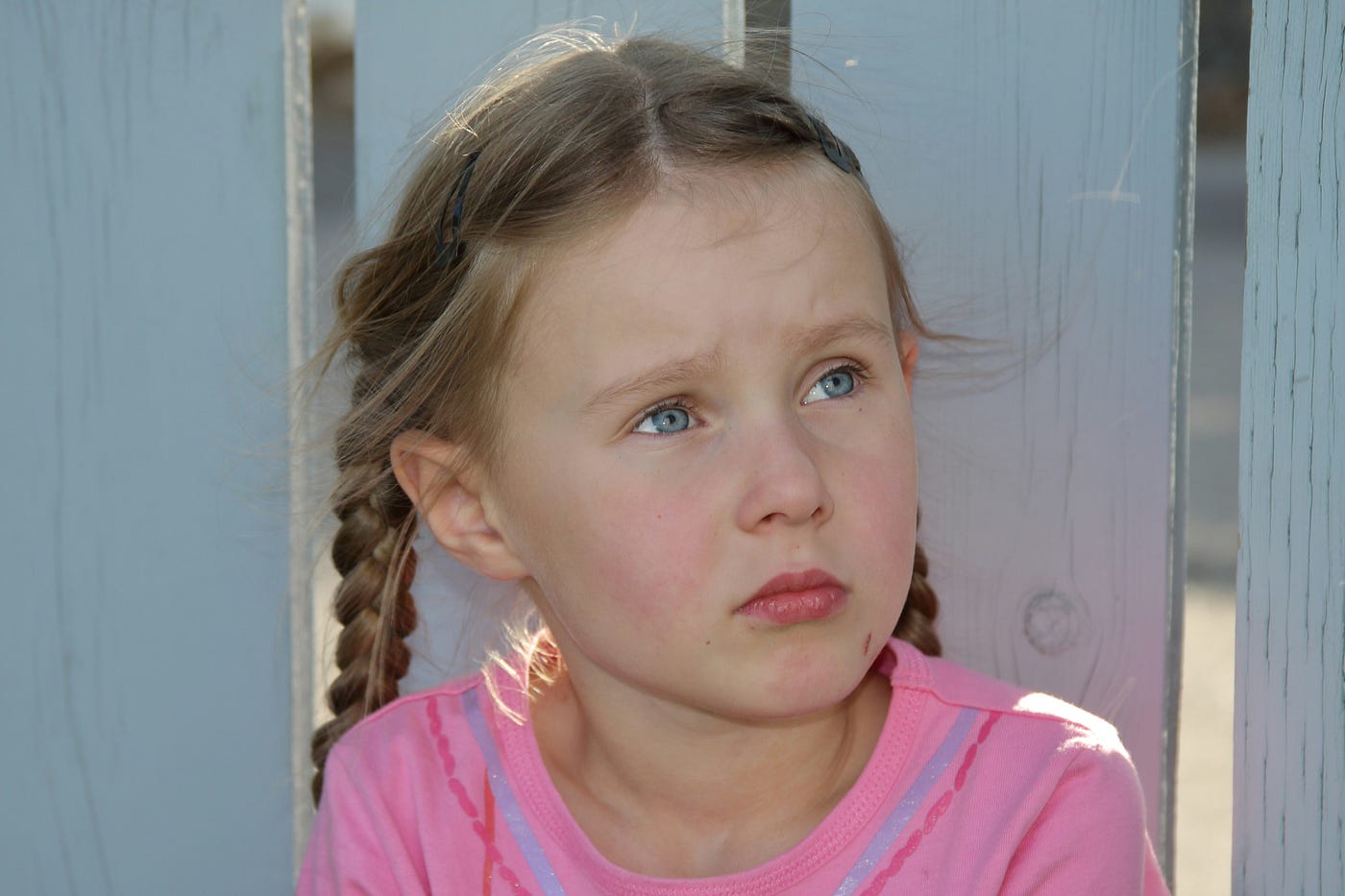
Photo by Anna Khromova on Unsplash
I recently read a Washington Post article, ***They Explain Autism and Come Under Attack, Even from Within the Autism Community, ***about a new generation of autistic social media influencers who are helping people better understand life on the spectrum.
The article begins with Kaelynn Partlow, a 29-year-old autistic advocate and former cast member of ***Love on the Spectrum*, **who shares how autism shapes her daily life and offers practical advice for navigating social situations while challenging common misconceptions about autistic people.
Partlow’s posts regularly draw more than a million views, suggesting that many people are hungry for a better understanding of autism from those who experience it firsthand.
Like my 8-year-old granddaughter, Partlow has difficulty reading the social cues that most people seem to pick up instinctively. What comes naturally to others often requires careful observation, analysis, and effort. Too often, my granddaughter finds herself on the outside looking in, watching other children giggle and play while she stands alone.
As her grandmother, it is painful to watch.
For years, my understanding of autism came largely through my work as an educator. I taught students on the spectrum, read professional assessments, and listened to parents, psychologists, and specialists.
As someone on the spectrum herself, Partlow gave voice to experiences that, years ago, nobody really understood. As I read her story, I recognized something familiar. I was that outside kid, always looking for a way to fit in but somehow unable to do so.
Now, when I watch my granddaughter navigate the world, I can’t help wondering whether I passed some of that experience on to her. I don’t know the answer, but I do know that I recognize the loneliness of standing at the edge of the group and wishing there were a way in.
Partlow is not alone. The article profiles a growing number of autistic writers, artists, educators, and social media creators who are using platforms like TikTok, Instagram, and YouTube to explain what life on the spectrum actually feels like. Their stories challenge many of the stereotypes that have long shaped public perceptions of autism.
Some describe the exhaustion of navigating crowded, noisy environments. Others talk about the effort required to decode social interactions that most people take for granted. Many speak openly about loneliness, misunderstanding, and the pressure to hide their differences in order to fit in.
What struck me most was that these were not doctors, therapists, or researchers explaining autism. They were autistic adults explaining themselves with stories about their lives that I was eager to hear, as according to researchers at Johns Hopkins University, there appears to be an autism epidemic.
Autism in children has risen 300 percent over the last two decades.

CDC MMWR Surveillance Summary.
The 300 percent (or more accurately, nearly 380 percent) surge is pulled directly from the Centers for Disease Control and Prevention (CDC) official tracking network.
When official tracking began in 2000, researchers identified roughly 1 in 150 children (6.7 per 1,000) as being on the spectrum. In the most recent comprehensive data cycle, that number climbed to 1 in 31 children (32.3 out of every 1,000).
This is a shocking statistic and certainly gives parents and future parents pause.
Yet, while that 300% surge sounds like a sudden explosion, many experts argue that we aren’t necessarily seeing a “new” phenomenon, but rather a massive shift in how we see people who have always been here — like me and other neurospicy individuals who were overlooked, misdiagnosed, or simply labeled as “eccentric” in our youth.
This spike is largely driven by a broader diagnostic “net” that now catches individuals who were previously left to struggle in silence — particularly young girls, who often mask their traits to blend in socially, and children from historically marginalized communities who faced massive systemic barriers to healthcare access.
We have finally moved away from a rigid, narrow view of autism as a rare, severe childhood disorder toward a spectrum-based understanding that embraces a diverse range of lived experiences.
When we combine expanded clinical criteria with routine pediatric screenings and greater awareness of biological factors such as advanced parental age, the data suggest this isn’t a terrifying new epidemic.
Instead, it is a long-overdue revolution in recognition, offering a name, a community, and a voice to those of us who have been here all along.
메타데이터
- post_id
- db4ef725fd1e
- slug
- autism-influencers-helped-me-understand-my-granddaughter-db4ef725fd1e
- url
- https://medium.com/crows-feet/autism-influencers-helped-me-understand-my-granddaughter-db4ef725fd1e
- canonical_url
- https://medium.com/crows-feet/autism-influencers-helped-me-understand-my-granddaughter-db4ef725fd1e
- author_url
- https://medium.com/@marycappelli
- status
- ok
- fetched_at
- 2026-06-09 14:42:20