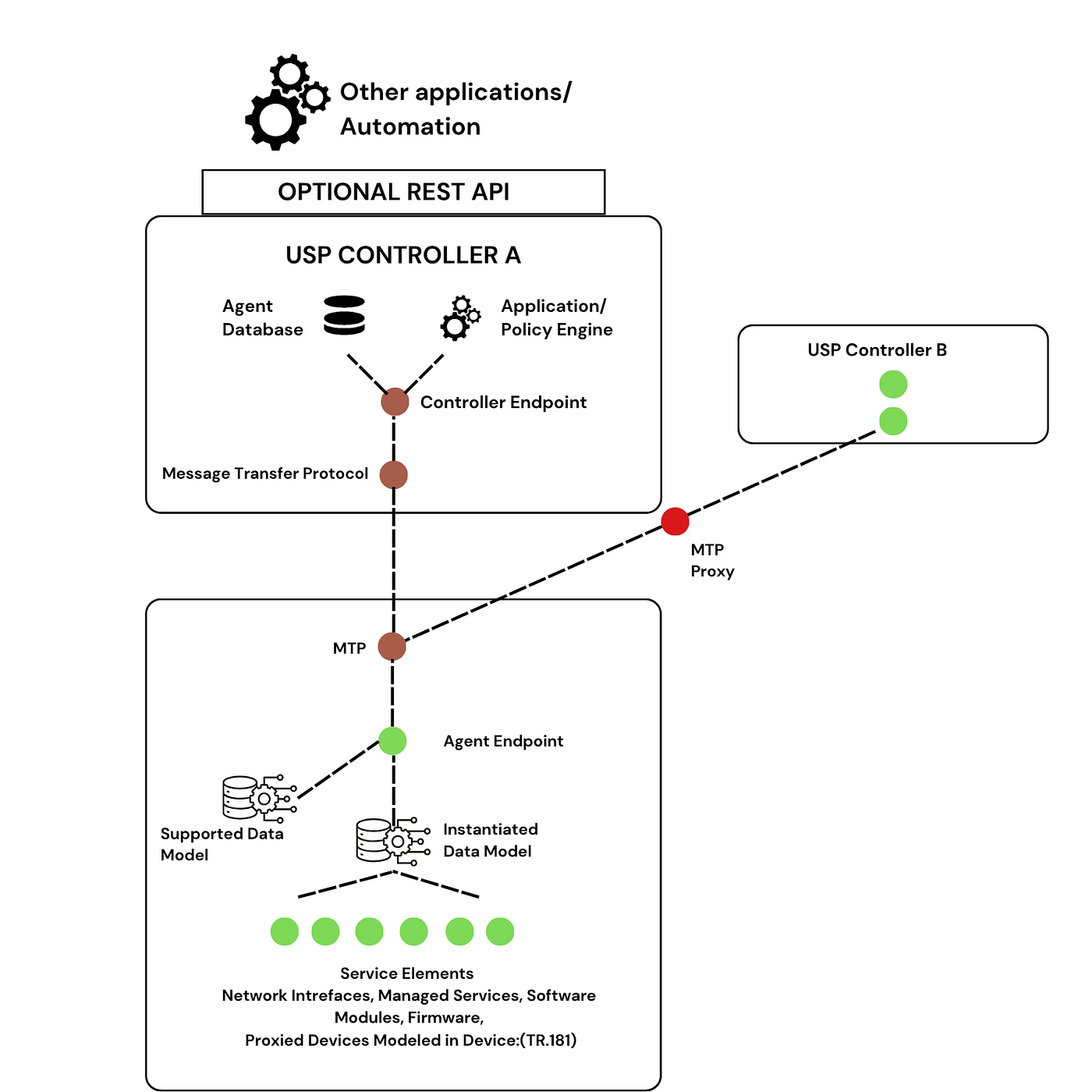
Navigating Your Connected World: Making Sense of IoT Device Management
The world around us is buzzing with interconnected devices. From your smart doorbell that shows you who’s at the door, to the fitness…
Navigating Your Connected World: Making Sense of IoT Device Management
The world around us is buzzing with interconnected devices. From your smart doorbell that shows you who’s at the door, to the fitness tracker on your wrist, and even industrial sensors monitoring factory equipment — this is the Internet of Things (IoT) in action! Billions of devices are now talking to each other, creating incredible new possibilities.
But with all these devices, how do we keep them working smoothly, securely, and efficiently? That’s where IoT Device Management steps in. Think of it as the control center for your entire connected world.
What is IoT Device Management?
Imagine you have many smart gadgets: a smart home camera, a smart thermostat, smart lights, and even a robot vacuum. IoT Device Management is simply the set of tools and steps that help you:
Set them up securely: Make sure your new smart camera connects safely to your network and only you can access it.
Change their settings: Easily adjust your smart thermostat’s schedule from your phone, or change the color of your smart lights.
Keep an eye on them: Check if your robot vacuum has finished cleaning or if your smart lock battery is low.
Update them: Installing new software for your smart speaker or patching security holes in your smart home hub.
Fix problems: Remotely diagnosing why your smart sprinkler isn’t turning on.
It’s about making sure all your connected devices work together, stay safe, and perform their best throughout their entire life.
Remote Control for the Big Players: Telcos & ISPs:
For big companies like telecommunications providers (Telcos) and Internet Service Providers (ISPs), managing IoT devices is a huge job. They handle millions of devices spread out across large areas — from smart city sensors that monitor air quality to thousands of smart meters in homes, and even industrial equipment in remote locations.
With remote IoT device management, these companies can:
Save money: No need to send technicians out for every small fix. They can update your Wi-Fi router or smart home gateway remotely.
Keep services running smoothly: Quickly find and fix issues with connected devices (like a faulty smart street light) before they cause bigger problems.
Grow easily: Add new connected devices (like more smart utility meters) to their network without major headaches.
Stay secure: Push out security updates to all devices (like fixing a vulnerability in connected cars) to protect against cyber threats.
Offer cool new services: Use data from devices (e.g., how much energy smart homes are using) to offer new services to customers.

Smart Home
Why a Good IoT Device Management Solution Matters for Your Projects:
While we’re not talking about a specific company here, any strong IoT device management solution will offer these key benefits for your connected projects:
Easy Setup for New Devices: Imagine setting up hundreds or thousands of new smart sensors for a factory. A good solution makes this process quick and error-free, automatically adding devices to your network.
See and Control Everything from One Place: A central dashboard allows you to monitor all your connected devices — whether it’s a fleet of delivery drones or smart environmental sensors across a city — seeing their status, health, and performance at a glance.
Strong Security: Protects your devices and the data they collect from hackers. This includes making sure only authorized devices can connect and that data from your smart security cameras is always encrypted.
Wireless Updates (OTA): Easily send software updates and bug fixes to devices over the air. This is crucial for keeping your smartwatches, smart TVs, or industrial robots up-to-date and secure without needing physical access.
Smart Insights from Data: Collects and analyzes data from your devices. For example, understanding patterns from smart energy meters can help optimize energy use, or data from connected health monitors can flag potential issues.
Grows with You: Built to handle a few devices or millions, ensuring your system can grow as your IoT deployment expands.
What a Good IoT Device Management Platform Can Do:
A complete IoT device management system usually includes these important features:
Device Setup & Enrollment: Securely adds new devices to your network. (e.g., when you first connect your smart video doorbell).
Device Settings & Control: Lets you change settings and control devices remotely. (e.g., adjusting the temperature on a smart thermostat or turning a smart light bulb on/off).
Device Health & Checks: Monitors how well devices are working and spots problems. (e.g., checking if your connected washing machine is running or if an industrial sensor is reporting correctly).
Software Updates (Over-the-Air — OTA): Sends new software or security fixes to devices wirelessly. (e.g., updating the software on your smart TV or a connected car’s navigation system).
Security Guard: Manages device access, encrypts data, and helps detect threats. (e.g., ensuring your smart door lock is only accessible by authorized users).
Data Handling: Gathers, stores, and processes all the information your IoT devices collect. (e.g., collecting data from smart water meters to track usage).
Full Device Lifespan Management: Handles a device from the moment it’s turned on until it’s retired. (e.g., managing a GPS tracker on a delivery truck from activation to eventual decommissioning).
How IoT Devices “Talk” to Each Other (Common Protocols)
IoT devices use different “languages” or protocols to communicate, depending on what they need to do:
MQTT (Message Queuing Telemetry Transport): Like a lightweight whisper. Great for small devices that send quick messages, especially when the internet connection isn’t always strong. Perfect for smart home sensors (like temperature or motion sensors) reporting data to a central hub, or for smart utility meters.
CoAP (Constrained Application Protocol): Think of it as a simpler, tiny version of how websites talk. Good for small devices with limited power or memory. Used in smart streetlights or industrial sensors.
HTTP (Hypertext Transfer Protocol): The language of the web. While heavier, it’s used when devices need to send more complex data or interact with web services. You might see it in smart security cameras streaming video to a cloud service.
Bluetooth Low Energy (BLE): Short-range chat. Ideal for connecting devices close by without using much battery. Common in fitness trackers communicating with your smartphone, or smart door locks that unlock when you’re near.
Zigbee: A team player for smart homes. Creates a mesh network where devices can talk to each other to extend range. Often used for smart lighting systems (like Philips Hue) and smart plugs.
LoRaWAN (Long Range Wide Area Network): For devices that need to talk over very long distances with very little power. Useful for smart agriculture sensors in remote fields or smart city parking sensors.
What Kinds of IoT Devices Can Be Managed?

A good device management solution can handle a huge variety of connected gadgets:
Sensors: Tiny devices that detect things like temperature, humidity, motion, light, or air quality. (e.g., smart garden sensors that tell you when to water plants).
Actuators: Devices that do something based on commands, like opening a valve or turning a motor. (e.g., smart blinds that open or close automatically).
Wearables: Devices you wear. (e.g., smartwatches tracking your steps, health monitors for heart rate).
Smart Home Devices: All the gadgets that make your home smarter. (e.g., smart refrigerators, robot vacuums, smart sprinklers).
Industrial IoT (IIoT) Devices: Equipment used in factories, power plants, and other industries. (e.g., predictive maintenance sensors on machinery, smart robots).
Gateways and Hubs: Devices that connect many smaller IoT devices to the internet. (e.g., your smart home hub that connects all your Zigbee devices to your Wi-Fi).
Connected Vehicles: Cars, trucks, and other vehicles with built-in internet connections. (e.g., cars with built-in navigation and remote diagnostics).
Boosting IoT Security
Security is a huge deal in the connected world. Good device management helps keep your IoT system safe by:
Safe Device Connection: Only allowing authorized devices (like your genuine smart home camera) to join your network.
Who’s Who? Making sure devices are truly who they say they are and only access what they’re allowed to.
Scrambling Data: Encrypting all information sent between devices and the cloud, like your smart doorbell video feed, so no one can snoop.
Fixing Weak Spots: Regularly sending out updates to patch security holes in your smart TV’s software.
Spotting Odd Behavior: Noticing if a device, like a smart meter, suddenly starts sending strange data, which could mean a hack.
Secure Updates: Making sure software updates for your smart car can’t be tampered with by hackers.
Safe Retirement: Securely wiping data from devices when they’re no longer in use, preventing information leaks from an old smart tablet used for home automation.
Real-World Uses of the Internet of Things (IoT Use Cases)
IoT is everywhere! Effective device management is key to making these applications work:
Smart Cities: Managing smart traffic lights to reduce congestion, smart streetlights that save energy, and environmental sensors monitoring pollution.
Smart Factories (IIoT): Using sensors for predictive maintenance on machines (to fix them before they break), tracking assets, and automating production with smart robots.
Healthcare: Remote monitoring with wearable health trackers for patients, connected medical devices in hospitals.
Agriculture: Smart irrigation systems that water crops only when needed, and livestock trackers.
Smart Homes: Your smart thermostat, security cameras, smart lighting, robot vacuums, and connected appliances all work together.
Logistics & Transport: Managing vehicle fleets with GPS trackers, monitoring cargo temperature in smart containers.
Retail: Smart shelves that track inventory, personalized offers sent to your phone as you walk by a product.
Why IoT is a Game-Changer for IT & Operations Teams
For the teams that manage technology (IT) and daily operations, IoT device management offers big wins:
More Efficient Work: Automated setup and updates for devices mean less manual work.
Clearer Picture: Real-time information on device health helps them fix problems faster.
Less Downtime: Catching issues early means services stay online and devices keep working.
Easy to Grow: Can easily add more devices as the business expands.
Better Security: Central control over all device security reduces risks.
Smarter Decisions: Using device data to make better choices about performance and future planning.
The Future is connected: Don’t Get Left Behind
As more and more things connect to the internet, having strong IoT Device Management isn’t just nice to have — it’s essential. It’s the foundation that makes your connected projects secure, reliable, and able to grow. By putting a good device management solution in place, organizations can smoothly navigate the complex world of connected devices and open up a future filled with innovation and efficiency.
메타데이터
- post_id
- db5d1a62b3ff
- slug
- navigating-your-connected-world-making-sense-of-iot-device-management-db5d1a62b3ff
- url
- https://medium.com/@gx-group/navigating-your-connected-world-making-sense-of-iot-device-management-db5d1a62b3ff
- canonical_url
- https://medium.com/@gx-group/navigating-your-connected-world-making-sense-of-iot-device-management-db5d1a62b3ff
- author_url
- https://medium.com/@gx-group
- status
- ok
- fetched_at
- 2026-07-23 01:47:02