Should Governments Ban Social Media for Children Under 16?
Growing concerns about mental health issues linked to excessive screen use and the increasing amounts of cyberbullying, harmful content…
Should Governments Ban Social Media for Children Under 16?
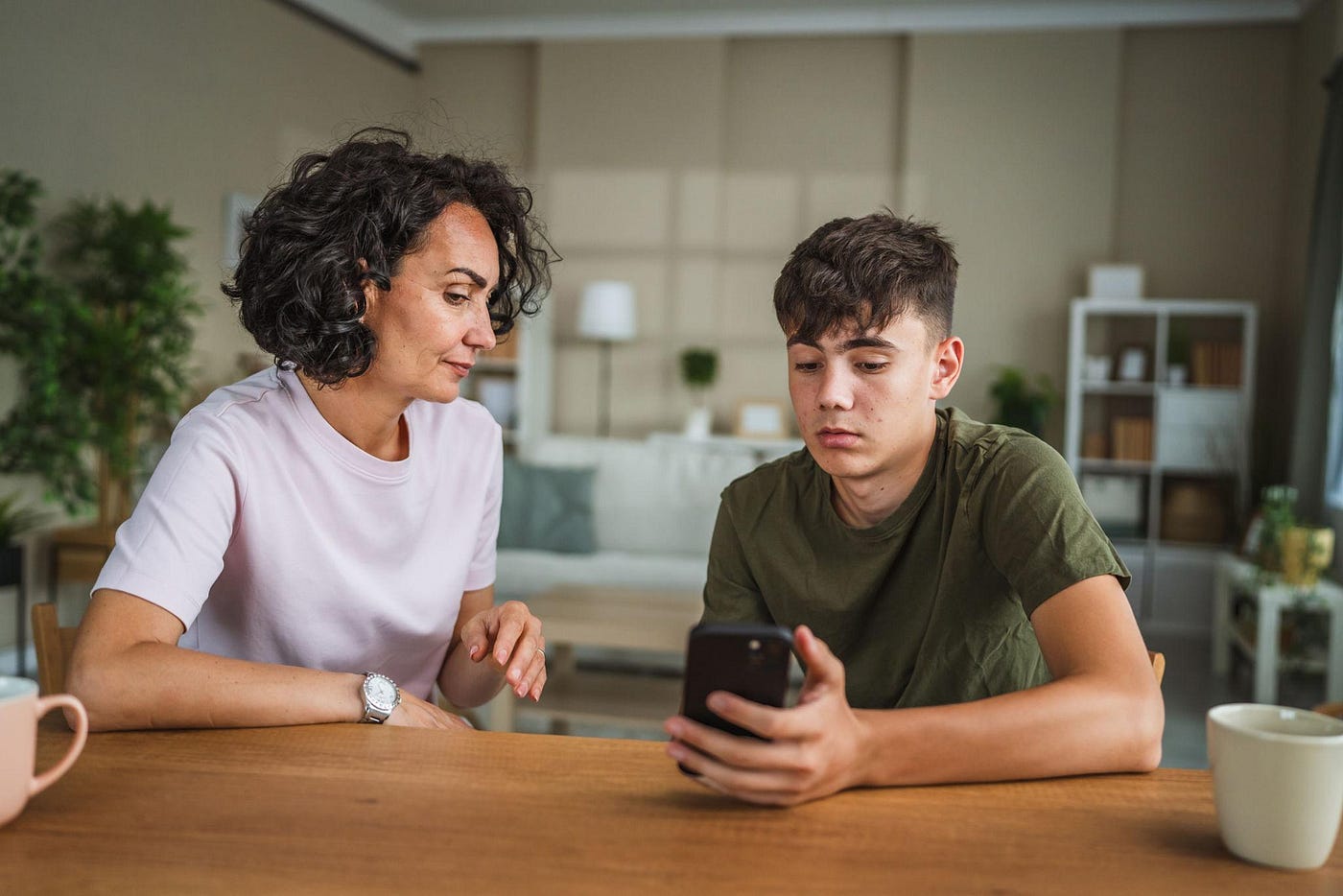
Image from ChatGPT
Growing concerns about mental health issues linked to excessive screen use and the increasing amounts of cyberbullying, harmful content, and online predators among young people are being cited as justifications for the banning of social media for those under 16.
It’s a good idea that was meant to be. No one can really come out against protecting children, but it’s not just social media that many think should be banned.
It can only worsen the symptoms and not the disease. It is not just that children are using social media; it is that in recent times, the digital world has moved at a much faster pace than the ability of young people to be prepared and able to handle the digital world responsibly.
A Ban Is the Easy Answer
New pressures are building up on governments to respond to high levels of concern about children’s online safety.
Implementing age restrictions is a visible policy that indicates action, and politically, it’s plain as day that it is gaining momentum.
However, history indicates that prohibitions do not work and do not remove behavior. Instead, they just move it somewhere else; Teenagers have always found ways to circumvent the restrictions of the internet by using VPNs, shared accounts, or apps that are not regulated.
The world of technology is fast-changing, and so are young people. But whether governments have the ability to impose restrictions is not the question, it’s whether those constraints will actually bring about the results they say they will.
Digital Literacy Matters More Than Digital Isolation
The world today has become digital, and the children are being raised in that environment where technology has become a part and parcel of learning, communication, entertainment, and even the jobs that await them.
Social media has become an integral part of life and not an online activity anymore for many youths.
While it may be possible to protect children from such sites until an age when they are better equipped to handle them, this is not enough to make them ready for what is to come.
All teens sooner or later enter adulthood, where they are expected to deal with misinformation, scams, online manipulation, privacy concerns, and digital relationships.
It takes time to learn those skills. This is similar to how children learn to cross a busy road, not to be banned from ever going on a road.
Children are taught how to cross a busy road; they are not taught not to cross a road at all. Digital literacy is not a choice of a lesson but a life skill.
Parents Cannot Outsource Their Responsibility
Governments have a very important role to play in protecting children, but they cannot take the place of the influence of parents and guardians.
No law can keep an eye on a child’s Internet usage as well as an interested parent. Talk is more effective in the long term than legislation when it comes to responsible Internet use, privacy, communication, and critical thinking.
Parenting has always faced challenges, be it television, video games, or smartphones. It’s just the current installment of social media. Trying to solve a parenting/education problem with legislation is setting a goal that is too high.
The Bigger Responsibility Lies with Technology Companies
One of the aspects that is perhaps not given as much consideration is the role of the platforms themselves.
For years, social media companies have been creating products that push their users to spend more time online. The endless scrolling, autoplay, personalization, and notifications are aimed at getting the maximum engagement, and younger audiences are no exception.
Whether governments truly wish to make social media safe, there should be increased accountability for children and their parents, but not just their parents.
Expectations for technology companies should be increased in terms of age verification, safer default settings for minors, transparency of recommendation systems, content moderation, and transparency of the impact of platforms on young users.
Responsibilities for child protection cannot just be delegated to the control of children’s behavior: attention must be paid to design decisions that influence children’s behavior.
Protection Should Also Mean Preparation
It doesn’t have to be forever and a day. It should be to help develop their ability to use it properly.
Eventually, kids will be going into digital spaces at 16 or 18. They must come with the judgment to discern between misinformation and information, not to be manipulated by online sources, to protect their privacy, and to be able to interact with others responsibly.
A society that aims to just try to limit exposure may get by in the short term but risks not being able to develop digital resilience.
A Better Conversation
The controversy should not be just a matter of whether or not social media should be banned or whether social media should be free.
A more equitable stance would include sensible regulation, education in digital literacy, increased parental engagement, and consequential accountability measures for tech companies.
They all play a part in helping to make the Internet a safer place for youth. It is an objective that almost everyone supports for protecting children. The differences are in how to do it.
While a ban on social media for kids under 16 could certainly give a good newspaper headline, it’s not likely to be the easiest solution.
Such efforts to raise the bar for online platforms, while raising expectations for young people as they engage in their digital lives responsibly, will likely have a more significant impact than legislation.
The aim mustn’t be merely to slow down the children’s access to technology a little more. It should be to make sure they can log on; if they do, they can not only participate but also participate safely, responsibly, and with confidence.
[embed]Write With Us, Right Now! A home for all ‘Restless Quills.’medium.com
Edited for Restless Quills by Wandering Mind
메타데이터
- post_id
- db61bc64bec2
- slug
- should-governments-ban-social-media-for-children-under-16-db61bc64bec2
- url
- https://medium.com/restless-quills/should-governments-ban-social-media-for-children-under-16-db61bc64bec2
- canonical_url
- https://medium.com/restless-quills/should-governments-ban-social-media-for-children-under-16-db61bc64bec2
- author_url
- https://medium.com/@gifteric2001
- status
- ok
- fetched_at
- 2026-07-09 13:13:48