Did You Know That Certain Lip Balms Can Actually Dry Out Your Lips?
When your lips feel dry, the first thing you might reach for is a lip balm. Most people assume that lip balms are always hydrating and…
Did You Know That Certain Lip Balms Can Actually Dry Out Your Lips?
When your lips feel dry, the first thing you might reach for is a lip balm. Most people assume that lip balms are always hydrating and protective. But did you know that some lip balms can actually make your lips drier over time? Surprising as it may sound, the wrong ingredients in lip care products can trigger irritation, dependency, and even worsen chapping.
In this article, we’ll explore why certain lip balms dry out your lips, which ingredients to avoid, and what you should look for in a good lip balm. We’ll also discuss natural remedies, dermatologist-recommended tips, and safe practices to maintain healthy, soft lips.
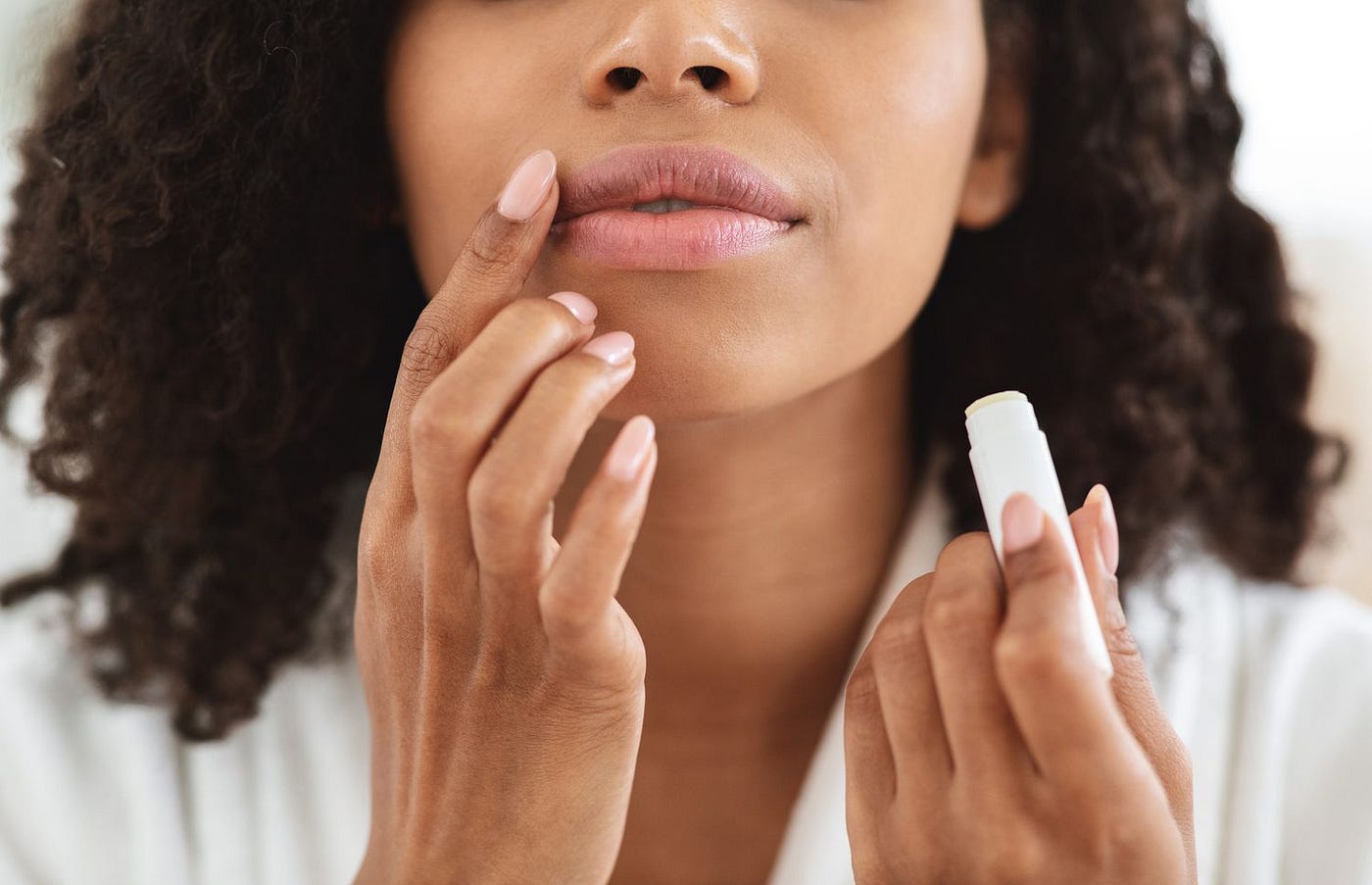
Why Do Our Lips Get Dry in the First Place?
Unlike the skin on the rest of our body, our lips are more delicate. They lack oil glands, which means they cannot produce natural oils to stay moisturized. As a result, lips are more vulnerable to dryness, cracking, and peeling.
Some common causes of dry lips include:
- Cold weather or low humidity
- Dehydration
- Frequent licking of lips
- Allergic reactions to food, toothpaste, or cosmetics
- Vitamin deficiencies, especially B vitamins and iron
- Certain medications, such as isotretinoin or chemotherapy drugs
Because of these factors, many people rely on lip balms. However, choosing the wrong balm may create a cycle where your lips feel hydrated temporarily but end up drier afterward.
How Can Lip Balms Make Lips Drier?
Lip balms are meant to moisturize, but some contain irritants and drying agents. These ingredients may feel soothing at first but strip away natural moisture.
Ingredients That May Cause Dryness
- Phenol, Menthol, and Camphor These create a cooling or tingling sensation. While they may feel refreshing, they can irritate delicate lip skin and cause peeling.
- Salicylic Acid Often added as an exfoliant to remove dead skin, but overuse can thin out the lips and make them sore.
- Fragrances and Flavors Added to make lip balms smell or taste pleasant, but they can cause allergic reactions and inflammation.
- Alcohol Used for quick drying or preservation, yet it dehydrates the lips and worsens cracks and flakes.
- Petroleum Jelly (if used alone) While petroleum jelly can lock in moisture, it does not add hydration. If applied without hydrating ingredients like glycerin or shea butter, it may give a false sense of moisture, leaving lips dry underneath.
👉 According to Healthline, lip balms with harsh chemicals or flavors may worsen lip irritation in sensitive individuals.
The “Lip Balm Addiction” Cycle
Have you ever felt like you need to keep reapplying lip balm again and again? That’s because of a cycle many people fall into.
First, lip balm with irritating ingredients is applied. The lips feel temporarily soothed. After a short while, irritants dry out or damage the lips, and you feel the need to reapply. Over time, this cycle makes your lips more dependent on balms, but not healthier.
How to Choose the Right Lip Balm
Not all lip balms are harmful. The key is to choose products with safe, nourishing ingredients.
Look for Lip Balms With
- Beeswax, which acts as a natural barrier to seal in moisture
- Shea butter or cocoa butter, rich in fatty acids that nourish skin
- Glycerin or hyaluronic acid, which attract water to the skin and keep lips plump
- Coconut oil, jojoba oil, or almond oil, which soften lips naturally
- Vitamin E, an antioxidant that helps repair damaged skin
Avoid Lip Balms With
- Artificial fragrances
- Flavors
- Menthol, camphor, or phenol
- Excessive alcohol
- Parabens or preservatives
👉 The Cleveland Clinic recommends using fragrance-free, hypoallergenic lip balms, especially if you have sensitive skin.
Natural Remedies for Dry Lips
If you want to avoid chemical-based lip balms altogether, try natural home remedies such as:
- Honey, a natural humectant with antibacterial properties
- Aloe vera gel, which soothes irritation and hydrates
- Cucumber slices, which cool and refresh dry lips
- Coconut oil, for long-lasting nourishment
- Green tea bag compress, which reduces inflammation and softens skin
Lifestyle Tips for Healthy Lips
Apart from choosing the right balm, your daily habits matter.
- Stay hydrated by drinking enough water throughout the day
- Avoid licking your lips since saliva evaporates quickly and worsens dryness
- Use a humidifier indoors during winter months
- Eat a balanced diet rich in iron, zinc, and B vitamins
- Protect from sun exposure with lip balms containing SPF
When Should You See a Dermatologist?
Sometimes dry lips are more than just a seasonal issue. Persistent dryness or cracks may signal underlying problems such as:
- Cheilitis, or inflammation of lips caused by infection or irritation
- Vitamin deficiencies
- Allergic reactions
- Chronic illnesses like thyroid disease or diabetes
In such cases, consulting a dermatologist is important.
Dr. Pretty Singla, a dermatologist in Gurugram and founder of Pretty Skin Clinic, explains that persistent lip dryness may require medical treatment, especially if linked to allergies or skin conditions. Getting professional guidance ensures you use the right remedies without worsening the problem.
Myths About Lip Balms and Dry Lips
There are many myths about lip care that can lead to poor habits.
- Exfoliating daily is necessary — In reality, over-exfoliation can damage the skin barrier. Once or twice a week is enough.
- Expensive lip balms are always better — Price doesn’t equal quality; ingredients matter more than brand.
- Natural flavors like mint are always safe — Even natural flavors can irritate sensitive lips.
- Petroleum jelly heals lips completely — It only locks in existing moisture; lips need hydration first.
Safe Routine for Soft, Healthy Lips
A simple daily routine can keep lips soft and protected.
Apply a hydrating balm with SPF in the morning. Reapply only when needed during the day to avoid overuse. At night, use a thicker balm or natural oil before bed. Gently exfoliate once or twice a week with a sugar and honey scrub to remove dead skin.
Final Thoughts
Not all lip balms are created equal. While some protect and heal, others may worsen dryness. By learning to read labels, avoiding harmful ingredients, and following healthy habits, you can break free from the lip balm addiction cycle and enjoy naturally soft, nourished lips.
If you have ongoing lip problems, consult a dermatologist for guidance. Experts like Dr. Pretty Singla emphasize that long-term lip health depends on both the right products and good lifestyle choices.
Disclaimer
The information provided is for informational purposes only and does not constitute medical advice. Readers should consult with a qualified healthcare professional for diagnosis and treatment.
메타데이터
- post_id
- db724a4c3ed4
- slug
- did-you-know-that-certain-lip-balms-can-actually-dry-out-your-lips-db724a4c3ed4
- url
- https://medium.com/@prettyskinclinic382/did-you-know-that-certain-lip-balms-can-actually-dry-out-your-lips-db724a4c3ed4
- canonical_url
- https://medium.com/@prettyskinclinic382/did-you-know-that-certain-lip-balms-can-actually-dry-out-your-lips-db724a4c3ed4
- author_url
- https://medium.com/@prettyskinclinic382
- status
- ok
- fetched_at
- 2026-07-29 22:47:20