The 2026 Paradigm Shift: Architecting Sovereign Infrastructure, Next-Gen Communication, and…
The corporate landscape across Dubai, Abu Dhabi, and the wider GCC region is navigating a profound structural maturation. Driven by…
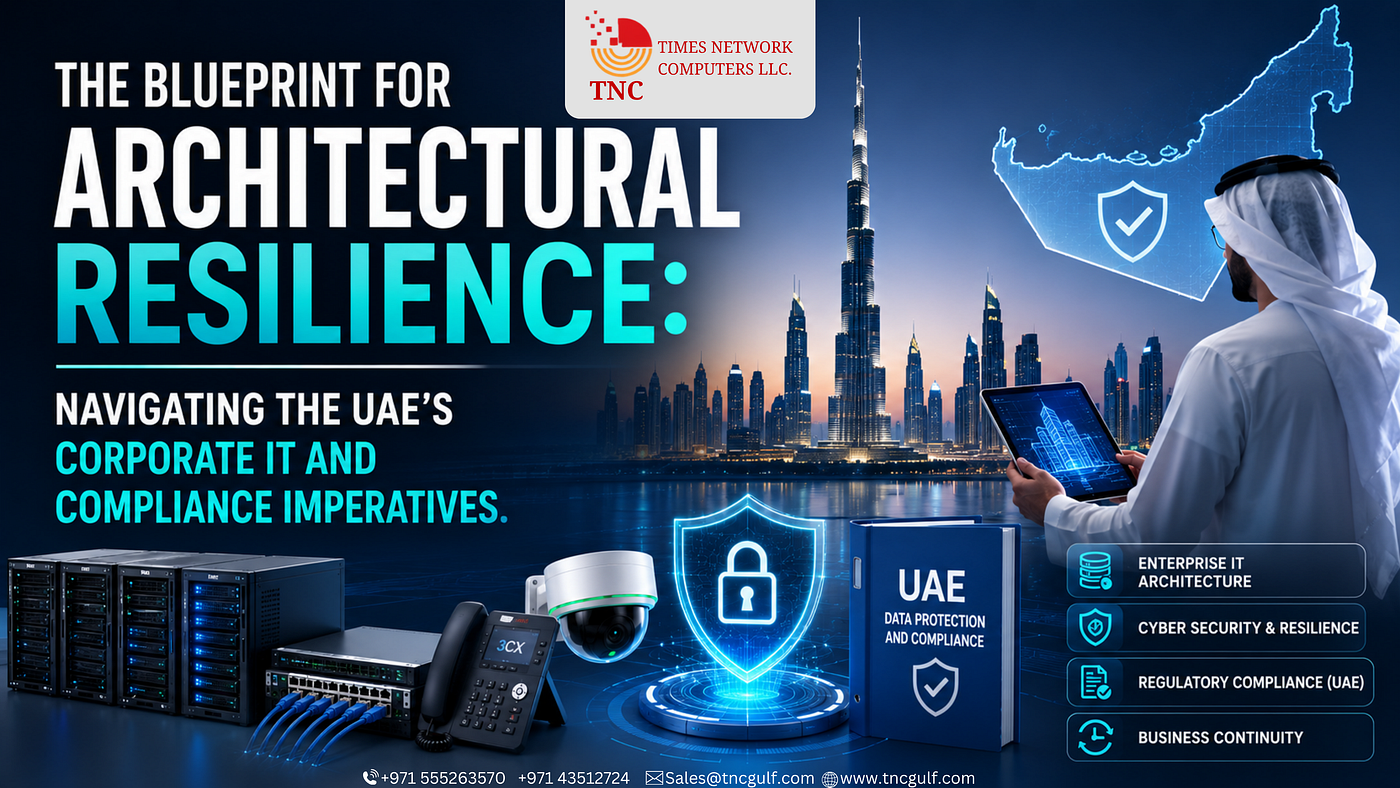
The 2026 Paradigm Shift: Architecting Sovereign Infrastructure, Next-Gen Communication, and Compliance Resilience for UAE Enterprises

The corporate landscape across Dubai, Abu Dhabi, and the wider GCC region is navigating a profound structural maturation. Driven by ambitious initiatives like the Dubai Economic Agenda (D33), businesses are no longer viewing technology infrastructure as a passive operating expense. Instead, optimized IT architecture is recognized as a direct engine for operational velocity, bottom-line efficiency, and data sovereignty.
In 2026, UAE enterprises face a complex dual responsibility. They must build high-performance networks capable of handling intense local data processing and automated workflows, while simultaneously satisfying strict physical surveillance mandates and cybersecurity regulations enforced by local governing bodies. Achieving this requires moving away from basic, fragmented vendors that create integration blind spots. Modern expansion in the Gulf demands a comprehensive, enterprise-grade technical strategy overseen by an experienced local systems integrator.
1. Localized Compute and the Sovereign Cloud: Transitioning to Resilient Hybrid Architecture
For nearly a decade, the default corporate choice was a complete, unexamined migration to public cloud environments. However, as the Middle Eastern business landscape enters a more mature phase in 2026, organizations are confronting the practical limits and hidden long-term costs of a cloud-only model. Enterprises running heavy, multi-user resource planning systems, high-volume transactional databases, and continuous internal media sharing are dealing with unpredictable monthly data egress fees — the ongoing financial friction of simply accessing their own proprietary information.
Furthermore, data sovereignty and localization have transformed into non-negotiable operational requirements. Across financial service sectors, legal entities, logistics hubs, and modern commercial startups, keeping critical business data within defined physical borders is a primary compliance framework. This environment has fueled a massive regional pivot toward hybrid architecture models. By pairing flexible, web-facing customer tools in the public cloud with highly stable, secure on-premises server environments, companies retain absolute ownership over their data environments while unlocking native hardware processing speeds.
Sourcing the Physical Core: High-Performance Enterprise Server Deployments
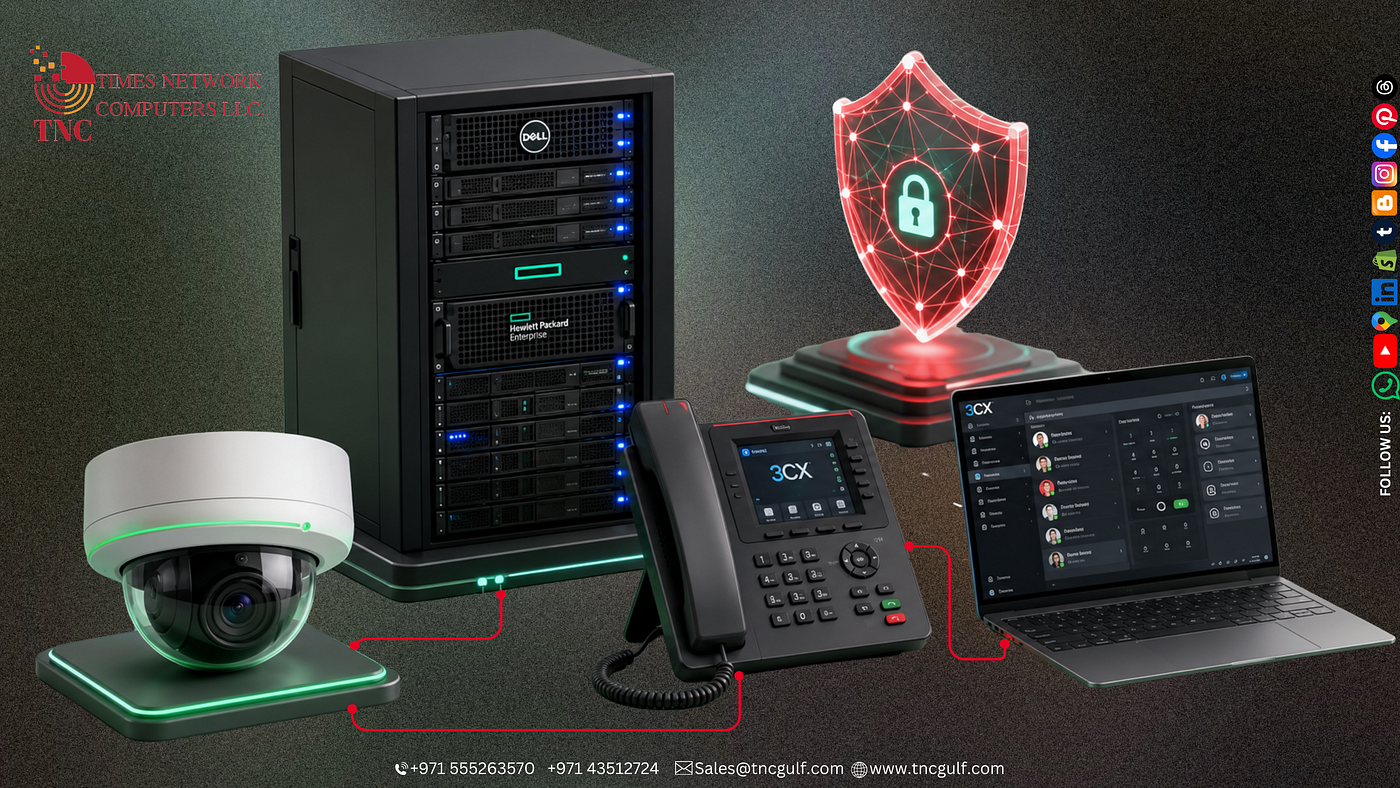
To support massive database indexing, heavy application workloads, and centralized office storage, hardware selections must prioritize continuous uptime, advanced cooling profiles, and hardware-level security telemetry. Modern business environments rely heavily on industry standard-bearers:
- HPE ProLiant Servers: Celebrated for their unique firmware-level security, HPE ProLiant configurations feature an integrated silicon root of trust that actively validates the server’s core code during boot cycles. High-density rack configurations, such as the ProLiant DL380, provide deep memory scalability and extensive multi-core computational strength, making them well-suited for heavy local database querying and persistent applications.
- Dell PowerEdge Servers: Highly regarded for their robust memory blueprints, efficient internal thermal management, and comprehensive out-of-band diagnostic capabilities powered by integrated Dell Remote Access Controller (iDRAC) modules. These systems allow engineering teams to monitor server component health remotely, ensuring configuration adjustments happen proactively before hardware stress impacts office productivity.
Virtualization Architecture: Maximizing Efficiency with Microsoft Hyper-V
Rather than dedicating separate physical server units to individual software paths — which underutilizes hardware assets — modern engineering relies on advanced hypervisors to split a single server into dozens of isolated, high-performance virtual machines (VMs). Opting for an on-premises Microsoft Hyper-V environment allows corporate IT teams to eliminate internet-dependent latency entirely, enabling local workforces to interact with mission-critical applications at native hardware velocity.
Executing a highly reliable, high-availability Hyper-V deployment requires strict adherence to structured technical steps:
- Storage IOPS Balancing: Configuring localized storage pools utilizing enterprise-grade SAS or NVMe solid-state storage setups in Redundant Arrays of Independent Disks (RAID) layouts. This ensures the storage system can survive a sudden drive failure without triggering data corruption or halting workplace access to local databases.
- Failover Clustering Design: Binding independent physical server units together into a single cluster. If one physical hardware node suffers a component failure, the Hyper-V hypervisor instantly shifts active virtual workloads to a healthy node without interrupting users.
- Virtual Network Segmentation: Building distinct virtual local area networks (VLANs) inside the software layer to ensure core database traffic and administrative directories are isolated from general employee web access, preventing unauthorized internal lateral movement.
2. Overhauling Corporate Networks: The Evolution of Unified Workplace Collaboration
In a fast-moving commercial market like Dubai, communication speed directly dictates client retention and operational scaling. The traditional office desk telephone network — locked down by rigid physical copper wires and legacy analog hardware — is no longer sufficient to power modern, multi-site corporate environments or highly mobile sales teams. Modern organizations require unified communications that combine voice channels, video meetings, internal team messaging, and client chat streams into a single software interface.
Unlocking Workplace Agility with 3CX Telephony Systems
3CX has transformed corporate telecommunications by providing an open-platform, software-based VoIP system that entirely removes the need for expensive, single-vendor proprietary telephone hardware. Whether deployed on local office servers or managed via private cloud environments, 3CX shifts telephone extensions into flexible, highly secure software applications.
Under a 3CX system architecture, an internal office extension is no longer anchored to an isolated plastic desktop phone. It functions natively via dedicated applications on employee smartphones, home laptops, and web browsers, keeping hybrid teams perfectly connected whether they are coordinating logistics on-site or negotiating international distribution. By integrating directly with core corporate CRMs and using local SIP trunks, 3CX helps companies slash monthly telecommunication bills while adding automated call routing, mobile continuity, and website live-chat integrations.
Large-Scale Stability via Avaya IP-PABX Ecosystems
For large multinational corporate headquarters, international banking institutions, and heavy customer service contact centers that handle vast numbers of concurrent voice channels, Avaya remains the trusted industry standard. Modern Avaya IP-PABX setups offer deep technical stability, automated routing paths, and thorough call-center performance tracking. These networks are designed to easily handle thousands of concurrent client interactions across multiple regional office branches without encountering dropped packets or audio distortion, ensuring consistent voice connectivity.
3. Dual Perimeters: Harmonizing Digital Cybersecurity with Strict SIRA Physical Surveillance Mandates
A corporate digital perimeter remains fundamentally incomplete if physical office spaces, inventory warehouses, and technical data facilities are left open to unmonitored physical access. Across Dubai and the wider UAE, physical surveillance is not just a practical choice — it is a strictly managed legal obligation enforced by the Security Industry Regulatory Agency (SIRA).
Engineering a Fully SIRA-Compliant IP CCTV Architecture
SIRA maintains precise technical regulations regarding how security infrastructure must be deployed, monitored, and maintained. Failing to follow these specifications results in immediate audit rejections, financial penalties, and extensive delays when trying to secure or renew essential commercial trade licenses.
Achieving full compliance requires precise physical and network design:
- Camera Resolution Requirements: Entry-level 2MP recording is widely being updated. Main indoor spaces, storage yards, and parking access lanes require a minimum of 4MP IP camera resolution, while critical focal regions — such as cash handling areas, secure server room doors, and facial capture lanes — require 8MP (4K) Ultra HD performance to guarantee undeniable visual identification regardless of shifting light conditions.
- Systematic Blind-Spot Elimination: Cameras must be laid out to maintain clear, uninterrupted views of all primary entryways, exits, delivery docks, public lift lobbies, and emergency pathways.
- Data Retention Timelines: Video streams must be recorded continuously onto specialized, high-durability surveillance hard drives inside secure Network Video Recorders (NVRs). While general corporate office units must keep video records for a minimum of 31 days, high-security operations, financial vaults, and large shopping areas are legally required to keep files secure and uncorrupted for 90 days.
- Structured Wiring and Infrastructure Cleanliness: SIRA audits look closely at the installation environment. All network cabling must be properly labeled and enclosed within clean, access-controlled data racks, and the recording core must be backed up by a functional Uninterruptible Power Supply (UPS) to ensure recording continues even during a sudden main power disruption.
The Core Necessity of Proactive IT and Security AMCs
Surveillance systems, network infrastructure, storage appliances, and workplace servers cannot simply be installed and ignored. Lenses attract dust, hard drives wear down due to constant 24/7 read/write cycles, and unpatched device firmware leaves physical security hardware open to network attacks.
This makes a comprehensive Annual Maintenance Contract (AMC) an absolute corporate necessity. A structured AMC transitions an organization from a reactive “break-fix” model — where technicians are only called after a major system failure — to a framework of proactive asset health. Regularly scheduled engineering audits check camera focus, assess hard drive health, test power backups under load, and verify firmware patches. This keeps corporate infrastructure functional and ready to pass random regulatory inspections smoothly.
4. Layered Digital Defense: Strengthening Network Security and Corporate Firewalls
As physical entry paths are brought up to SIRA standards, the digital perimeter must be made equally resilient. With modern businesses heavily reliant on remote server access, internal communication portals, and cloud integrations, simple password protection is no longer sufficient to stop advanced network exploits.
Implementing a Multi-Tier Network Defense Strategy
Securing modern corporate data requires building multiple independent layers of technical security across your structured cabling and hardware pathways:
- Next-Generation Firewalls (NGFW): Deploying advanced corporate firewalls capable of deep packet inspection, real-time intrusion prevention (IPS), and automated malicious traffic blocking to stop network threats before they can penetrate internal company subnets.
- Network Access Control (NAC): Implementing authentication boundaries that instantly verify the security posture of any hardware trying to connect to office switches. Guest laptops and visitor mobile devices are automatically kept on an isolated visitor network with zero connection to internal server databases.
- Highly Encrypted Remote Access: Ensuring all hybrid workers and remote coordinators interact with on-premises server data exclusively through heavily encrypted VPN tunnels, paired with mandatory Multi-Factor Authentication (MFA) to prevent unauthorized credential use.
- Automated Redundant Backups: Maintaining a secure disaster recovery routine that routinely mirrors files both onto local, off-line backup hardware and to isolated off-site repositories, allowing the organization to fully recover from an unexpected outage or software corruption in minutes.
5. Times Network Computers LLC: Your Premier Enterprise Technology Partner in the UAE
Designing, configuring, and maintaining a tech ecosystem that successfully merges high-throughput server virtualization, unified enterprise telecom systems, strict SIRA physical compliance, and hardened network cybersecurity requires deep, localized engineering expertise. Times Network Computers LLC (known commercially as TNC Gulf or TNC FZE) stands as the definitive technology architecture partner for modern enterprises across the United Arab Emirates.
Operating out of Dubai with over 15 years of professional market expertise since 2010, TNC Gulf rejects generic, one-size-fits-all software installations or short-term fixes. We view your technology framework as a core strategic asset. Our team focuses on designing high-fidelity, resilient IT architectures that safeguard your data assets, eliminate operational latency, and position your company for long-term scalability.
The Core Pillars of the TNC Gulf Partnership:
- Unified Technical Architecture: TNC Gulf bridges the gap between your digital core (server virtualization, complex storage setups, and firewall management) and your physical protection layer (SIRA-compliant CCTV arrays, access control systems).
- Authorized Top-Tier Provisioning: As an established, certified systems integrator, TNC supplies, configures, and maintains premium enterprise hardware from the world’s most trusted brands, including official partnership mentions for Cisco, Dell, and HP deployments. We also provide elite product solutions featuring Hikvision and EZVIZ as core product offerings.
- Flawless Regulatory Compliance: Our specialized security engineering team possesses deep structural experience navigating local regulatory requirements, ensuring that your corporate physical surveillance layouts pass official SIRA audits on the first attempt without operational delays.
- Next-Gen Telephony Integration: TNC modernizes fragmented corporate lines, implementing open-platform 3CX VoIP networks and stable Avaya IP-PABX systems engineered to manage intense voice call traffic smoothly across multiple regional branches.
- Proactive AMC Support Framework: Through our comprehensive Annual Maintenance Contracts, we give businesses access to 24/7 technical monitoring, swift remote or on-site troubleshooting, and routine preventative wellness audits to stop technical failures before they cause costly business downtime.
Secure your corporate assets, slash operational overhead, and ground your business with an intelligent, highly resilient technology architecture built for the modern GCC market. Partner with the region’s elite IT specialists by exploring our full service portfolio at **www.tncgulf.com**.
ITSolutionsDubai #DubaiBusiness #TechProviderUAE #CCTVDubai #SIRAApproved #ITAMCDubai #HPEServerUAE #DellPowerEdgeDubai #VoIPSolutionsDubai #3CXDubai #AvayaMiddleEast #StructuredCablingDubai #NetworkSecurityUAE #DubaiSMEs #BurDubaiITCompany #DataBackupDubai #DisasterRecoveryUAE #EnterpriseITDubai #HikvisionDubai #AccessControlUAE #OfficeSetupDubai #TechSupportDubai #CorporateITServices #DubaiTechHub #BusinessContinuityUAE #ServerMaintenanceDubai #FiberOpticDubai #ITOutsourcingUAE #TNCGulf #DubaiInfrastructure
메타데이터
- post_id
- db87f69c10b6
- slug
- the-2026-paradigm-shift-architecting-sovereign-infrastructure-next-gen-communication-and-db87f69c10b6
- url
- https://medium.com/@tncllc/the-2026-paradigm-shift-architecting-sovereign-infrastructure-next-gen-communication-and-db87f69c10b6
- canonical_url
- https://medium.com/@tncllc/the-2026-paradigm-shift-architecting-sovereign-infrastructure-next-gen-communication-and-db87f69c10b6
- author_url
- https://medium.com/@tncllc
- status
- ok
- fetched_at
- 2026-07-15 11:23:19