CADR Air Purifier Explained What Really Matters
A real world, no nonsense guide to Clean Air Delivery Rate (from someone who actually dug into it)
CADR Air Purifier Explained What Really Matters
A real world, no nonsense guide to Clean Air Delivery Rate (from someone who actually dug into it)
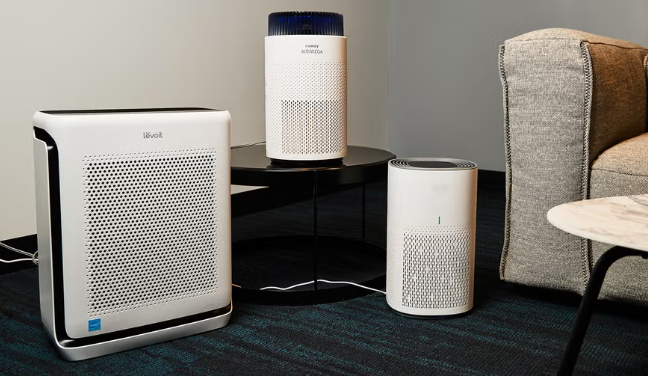
Photo by Fujiphilm on Unsplash
I still remember the first time I bought an air purifier. The box proudly claimed it could “clean 1,700 sq ft in one hour.” I felt great for about two weeks.
Then allergy season hit. My nose was blocked, my eyes were itchy, and the purifier sounded like a jet engine whenever I turned it up. That’s when I started digging deeper and that’s when I met a term most brands quietly hide in the spec sheet:
CADR air purifier ratings.
In this article, I’ll explain what CADR actually means, why it matters more than marketing claims, how to choose the right CADR for your room, and the mistakes I personally made so you don’t have to.
If you’ve ever wondered “Is my air purifier actually doing anything?” this guide is for you.
What Is a CADR Air Purifier? (Simple, Real Explanation)
CADR stands for Clean Air Delivery Rate. In plain English:
CADR tells you how fast an air purifier can remove specific pollutants from the air.
It’s usually measured in:
- CFM (Cubic Feet per Minute), or
- m³/h (cubic meters per hour)
What CADR Actually Measures
A CADR air purifier is tested for three main particle types:
- Smoke (smallest particles, hardest to remove)
- Dust
- Pollen (larger particles)
Each purifier gets three separate CADR numbers — one for each pollutant.
Important: The lowest CADR number is your real-world baseline performance.
Overview
In my research, the best way to understand CADR is this: A CADR air purifier rating shows how quickly a purifier can deliver clean air by removing dust, pollen, and smoke from a room. The higher the CADR, the faster the air gets cleaned. Because pollutants behave differently, purifiers are rated separately for each one.
To use CADR correctly, you match the purifier’s CADR to your room size — ideally choosing a CADR that’s about two-thirds of your room’s square footage. This ensures efficient air cleaning without needing to run the purifier at full blast all day.
What CADR doesn’t measure is gas removal (like VOCs) or how filters perform years down the line. That’s why CADR is powerful but not the only factor.
CADR vs Room Size: Where Most People Go Wrong
Here’s the mistake I made early on: I looked at “coverage area”, not CADR.
The Rule That Actually Works
For an average room with 8-ft ceilings:
Minimum CADR ≈ Room size × 0.67Example:
- Room size: 300 sq ft
- Minimum CADR needed: ~200 CFM
If you have:
- Allergies
- Asthma
- Pets
- Wildfire smoke exposure
Oversize it. Aim for 300–350 CFM instead.
CADR and Air Changes Per Hour (ACH) — Finally Explained
This part confused me for months, so here’s the clean version.
ACH = How many times the purifier cleans the entire room’s air in one hour
- 1–2 ACH: Barely noticeable
- 4.8 ACH: Industry minimum standard
- 7–10 ACH: Best for allergies, smoke, or sensitive users
CADR is what enables ACH.
Low CADR = low ACH = slow cleaning.
My Real-World Experience Testing CADR Differences
When I switched from an undersized purifier to a properly sized CADR air purifier, three things changed immediately:
- I didn’t need max fan speed anymore
- The room smelled fresher, not just “filtered”
- Allergy symptoms dropped within days
That’s when I realized something important:
A bigger CADR run at medium speed beats a small CADR screaming at max speed.
Marketing Claims vs Reality (Hard Truth)
You’ll often see claims like:
- “Cleans 1,700 sq ft!”
- “Whole home purifier!”
Here’s what that usually means in real life:
- 1–2 air changes per hour
- Tested at max fan speed
- Noise levels no one tolerates daily
In my experience, CADR is honest, coverage claims are flexible.
CADR Limitations (What It Doesn’t Tell You)
Even though CADR is crucial, it’s not the whole story.
CADR Does NOT Measure:
- Gas & VOC removal (needs activated carbon)
- Ultrafine particle performance
- Filter lifespan or replacement cost
- Noise at lower speeds
That’s why I always look at:
- HEPA grade
- Carbon filter weight
- Decibel levels
- Replacement filter availability
CADR in Real World Use Cases
Allergies
- Prioritize pollen CADR
- Target 7–10 ACH
- Oversize the purifier
Smoke / Wildfire
- Smoke CADR should ≈ room size
- Carbon filter is essential
Pets & Dust
- Dust CADR matters more
- Pre filters save money long-term
Brands That Do CADR Right (From Research & Use)
I won’t hype brands, but some consistently publish transparent CADR data:
- Winix
- Coway
- Medify
- Smart Air
- Blueair
- Levoit (higher-end models)
The best ones show CADR per fan speed, not just max.
Quick CADR Buying Tips (Save This)
- Always size up, not down
- Ignore “cleans X sq ft” without CADR
- Check lowest CADR number (smoke)
- Quiet operation matters more than peak power
- Two medium units > one massive unit
FAQs About CADR Air Purifiers
1. Is higher CADR always better?
Not automatically. Higher CADR is better if noise and energy use stay reasonable. Oversizing lets you run lower speeds quietly.
2. Can a low CADR purifier still help?
Yes, but slowly. It may clean the air eventually, but particles may build up faster than it can remove them.
3. Does CADR include VOC or odor removal?
No. CADR only measures particles. For odors or gases, you need activated carbon filters.
Final Thoughts: Is CADR Non-Negotiable?
After all my research, testing, and mistakes here’s my honest answer:
Yes, CADR is non-negotiable if you care about results.
It’s not about buying the biggest or most expensive air purifier. It’s about choosing one that can realistically clean your air at a speed you can live with.
If you take only one thing from this guide, let it be this:
Clean air isn’t about promises. It’s about math, airflow, and consistency.
If you’ve tested different CADR air purifiers or have questions about your room setup, feel free to share clean air decisions are better when we talk them through.
메타데이터
- post_id
- db9834f216b2
- slug
- cadr-air-purifier-explained-what-really-matters-db9834f216b2
- url
- https://medium.com/@AirClean/cadr-air-purifier-explained-what-really-matters-db9834f216b2
- canonical_url
- https://medium.com/@AirClean/cadr-air-purifier-explained-what-really-matters-db9834f216b2
- author_url
- https://medium.com/@AirClean
- status
- ok
- fetched_at
- 2026-06-27 18:20:27