Semuliki National Park: Uganda’s Best-Kept Secret
Tucked away in the western reaches of Uganda, hugging the border with the Democratic Republic of Congo,mount Rwenzori views, and a few…
Semuliki National Park: Uganda’s Best-Kept Secret
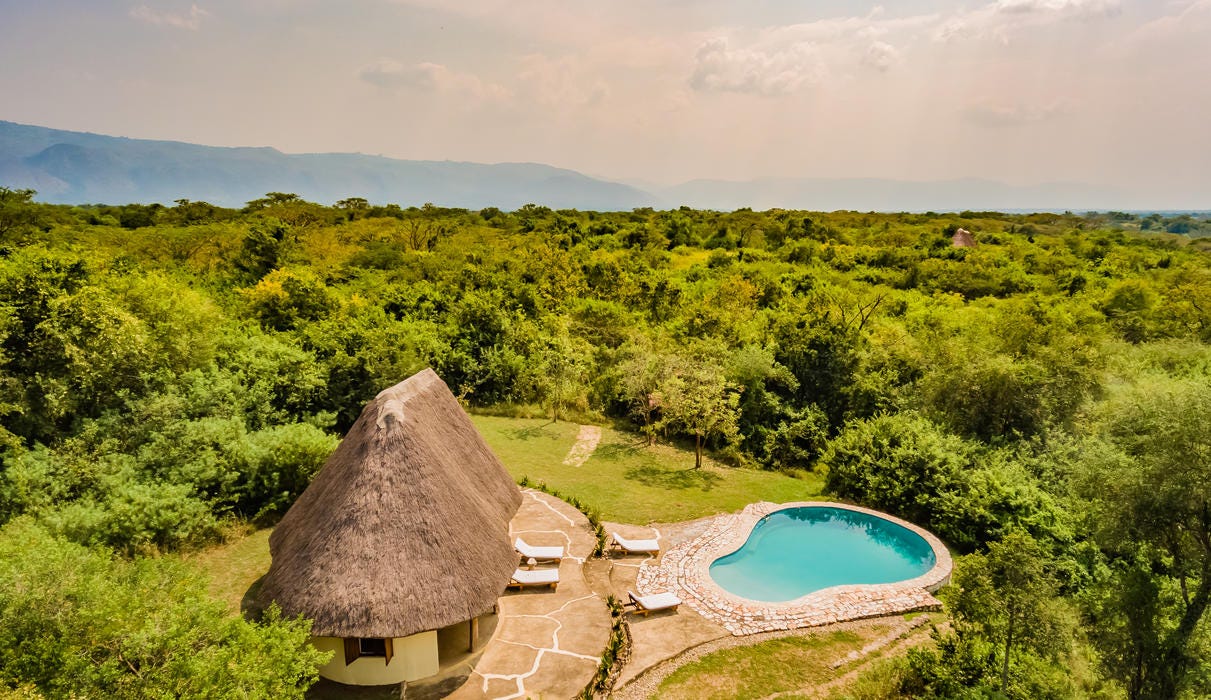
Tucked away in the western reaches of Uganda, hugging the border with the Democratic Republic of Congo,mount Rwenzori views, and a few hours drive from the engendered mountain gorillas and chimpanzees. Semuliki National Park is one of East Africa’s most remarkable and least-explored wilderness areas. Far from the well-trodden safari circuits, Semuliki offers something increasingly rare in modern travel — a genuinely wild, unhurried, and profoundly beautiful natural experience.
The park protects a mosaic of lowland tropical forest, open savannah, and rich wetlands, creating an extraordinary variety of habitats that support an astonishing range of wildlife. It lies within the Albertine Rift Valley — one of Africa’s most critical conservation zones, celebrated worldwide for its exceptional levels of endemic species and biodiversity. Semuliki is, in every sense, a park ahead of its time: the travellers who discover it now will one day say they visited before the rest of the world caught on

Did you what is in semuliki?
A Landscape Like No Other
Semuliki’s landscape is shaped by its position within the Albertine Rift — a vast tectonic depression that stretches from Uganda and the Democratic Republic of Congo southward through Rwanda, Burundi, and Tanzania. This ancient geological setting has produced a pocket of lowland equatorial forest that is more closely related to the Congo Basin rainforest than to Uganda’s typical highland forests, giving the park a distinctly different character from anywhere else in the country.
The result is a park that feels like a portal to another world — dense forest canopies alive with birdsong, steaming hot springs rising from the earth along the riverbank, open floodplains where elephants move at dusk, and a silence so complete it feels restorative.
The Famous Hot Springs
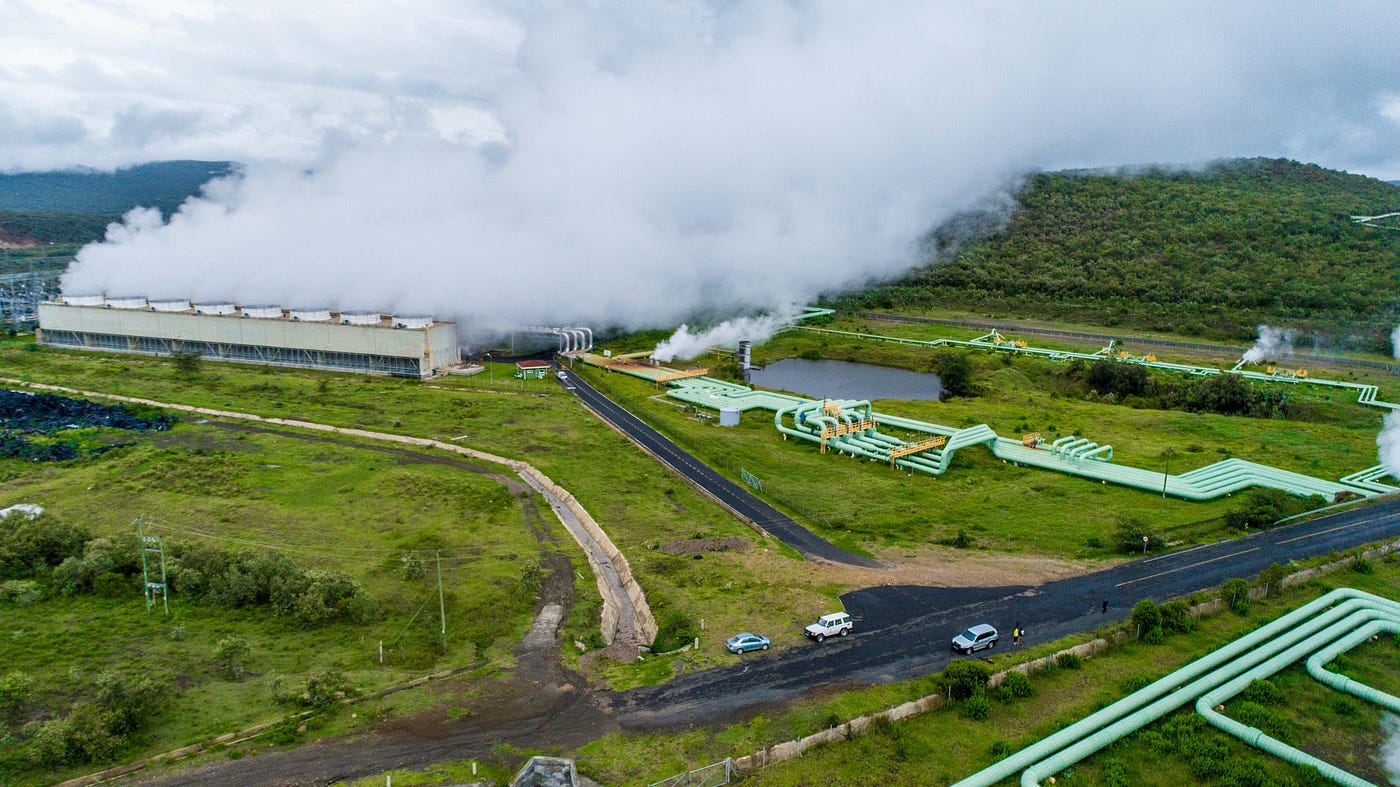
No visit to Semuliki is complete without witnessing its extraordinary hot springs. arguably the park’s most iconic and dramatic attraction. Located along the banks of the Semuliki River, these geothermal springs are heated by volcanic activity deep within the Albertine Rift. forcing superheated water upward through cracks in the earth’s surface.
Water temperatures from the springs range between 39°C and over 60°C (102°F to 140°F) depending on the source — hot enough, famously, to boil an egg. Local guides sometimes demonstrate this for visitors, placing eggs or maize cobs directly into the steaming vents to cook. It is one of those unforgettable moments that no photograph quite captures.
Beyond the spectacle, the hot springs create unique microhabitats that support specialized organisms — particular species of algae, invertebrates, and microbes adapted to thrive in extreme heat. The warm waters also attract a steady stream of wildlife, especially during cooler mornings, making the springs an excellent spot for quiet observation and photography.
Rare and Remarkable Primates
Semuliki is home to several primate species of significant conservation interest, some of which are rarely observed elsewhere in Uganda. The park’s undisturbed lowland forest provides an ideal habitat for primates that have struggled to survive in more heavily impacted areas across the region.
The Ugandan Red Colobus is one of the park’s most striking inhabitants — a beautifully marked arboreal monkey with a vivid reddish coat, black and white accents, and a preference for the high forest canopy. Classified as Near Threatened due to ongoing habitat loss and hunting pressure, Semuliki is one of the few places in Uganda where this species can be observed in relatively undisturbed forest.
The Blue Monkey, recognisable by its blue-grey fur and paler face, is another resident of the forest canopy, moving through the trees in social groups that are often heard before they are seen. Certain subspecies found within the Albertine Rift are of particular conservation concern.
The Black-and-White Colobus Monkey, with its dramatic long fur and flowing tail, adds yet another layer of primate diversity to the forest. And for the very lucky — those who venture out after dark with a guide — there is the Potto, a slow-moving nocturnal primate with enormous eyes adapted for night vision, dense soft fur, and an almost ghostly, deliberate way of moving through the branches. Potto sightings are rare and special, the kind that seasoned safari-goers talk about for years.
Chimpanzees are also present within the park, making Semuliki a compelling destination for primate enthusiasts looking to complement a gorilla trekking experience in Bwindi with a broader understanding of Uganda’s extraordinary primate diversity.
A Birder’s Paradise: Over 450 Species
For serious birdwatchers, Semuliki is nothing short of legendary. With over 450 recorded bird species — including numerous Albertine Rift endemics and Congo Basin specialists rarely found elsewhere in East Africa — the park ranks among the most important birding destinations on the entire continent.
Species that draw dedicated birders from around the world include the African Green Broadbill, the Blue-headed Bee-eater, and the African Grey Parrot. The wetland and riverine areas attract herons, egrets, and a variety of water birds, including occasional sightings of the iconic and prehistoric-looking Shoebill Stork. Savannah and woodland edges teem with hornbills, kingfishers, sunbirds, and rollers.
The park also receives seasonal migratory species, adding a further dimension of variety for those who plan their visit around the calendar. Albertine Rift endemic species — birds with highly restricted global ranges — make Semuliki an essential stop for any serious African birding itinerary.
Birding tips for Semuliki:
- Begin at dawn, when bird activity peaks and the forest comes alive with sound.
- Move slowly and quietly through the forest trails.
- Hire a specialist local bird guide — their knowledge of species calls and locations is invaluable.
- Bring quality binoculars and a field guide covering the Albertine Rift endemics.
- Wear neutral, earth-toned clothing to avoid disturbing wildlife.
Large Mammals and Wildlife Viewing
Semuliki supports healthy populations of some of Africa’s most impressive large mammals. Elephants move through the forest and floodplain edges, often visible in the early morning and late afternoon. Hippos wallow in the Semuliki River and surrounding wetlands. Buffaloes graze in open clearings, and leopards — elusive and largely nocturnal — patrol the forest at night.
The combination of Congo Basin Forest species and East African savannah species in a single park gives Semuliki a mammal diversity that is highly unusual and ecologically fascinating. For the wildlife enthusiast, this overlap zone between two of Africa’s great ecosystems offers encounters that are simply not available anywhere else in Uganda.
Cultural Encounters with the Batwa and Local Communities
The communities surrounding Semuliki National Park have deep and ancient connections to the forest. The Batwa people, one of Africa’s oldest indigenous groups, have lived alongside these forests for generations and carry with them extraordinary knowledge of the ecosystem, its plants, its animals, and its rhythms.
Cultural visits to Batwa and other local communities around Semuliki offer travellers an insight into ways of life shaped by the forest — traditional hunting techniques, medicinal plant knowledge, music, dance, and storytelling. These experiences enrich the safari, add a meaningful human dimension to the wilderness visit, and directly support community livelihoods.

Why semuliki Now?
Semuliki is one of Uganda’s least-visited national parks — and that, for the right kind of traveller, is its greatest appeal. There are no traffic jams of safari vehicles. No crowded viewpoints. Just you, your guide, and one of the most ecologically extraordinary forests in Africa.
Conservation efforts in and around the park are ongoing, with work focused on preventing deforestation, combating poaching, and supporting the communities who live alongside the park as its most important long-term guardians. The park’s relative obscurity has, in some ways, been its greatest protector — keeping its habitats intact and its wildlife undisturbed.
Visit now, while it is still a secret.
Exclusive Gorilla Trekking Itinerary that might Interest You
Well Curated Exclusive & Luxury Gorilla Trekking Trips while staying at Top Notch safari lodges In Bwindi Impenetrable National park

7 Days Golf, Chimps & Gorillas
7 Days Chimpanzees, Gorillas, semuliki national park

12 Days Golf, Classic & Traditional Safari
Watch for an insight what it feels like trekking mountain Gorillas in Bwindi impenetrable national Park and staying at luxury Lodges in Uganda — Home to the Endangered mountain Gorillas.
메타데이터
- post_id
- dba4ecb2f9e7
- slug
- semuliki-national-park-ugandas-best-kept-secret-dba4ecb2f9e7
- url
- https://medium.com/@gorillawalkingsafaris/semuliki-national-park-ugandas-best-kept-secret-dba4ecb2f9e7
- canonical_url
- https://medium.com/@gorillawalkingsafaris/semuliki-national-park-ugandas-best-kept-secret-dba4ecb2f9e7
- author_url
- https://medium.com/@gorillawalkingsafaris
- status
- ok
- fetched_at
- 2026-06-25 07:00:49