Smart Home Build — Week 55
February 24, 2026
Smart Home Build — Week 55
February 24, 2026
The shift from construction site to fully functional smart home continues to accelerate. This phase of the build has focused on final electrical infrastructure, water system planning, incremental move-in logistics, expanded automation, and a few lifestyle upgrades that will make everyday living more streamlined.
Electrical finish-out continues as the home moves closer to completion. A major infrastructure milestone was the installation of 240V AC outlets in the garage to support future permanent wall-mounted EV chargers. Planning for electric vehicle charging during construction eliminates the need for costly retrofits later and ensures that Level 2 charging capability will be ready whenever we (or future homeowners) decide to install the chargers.
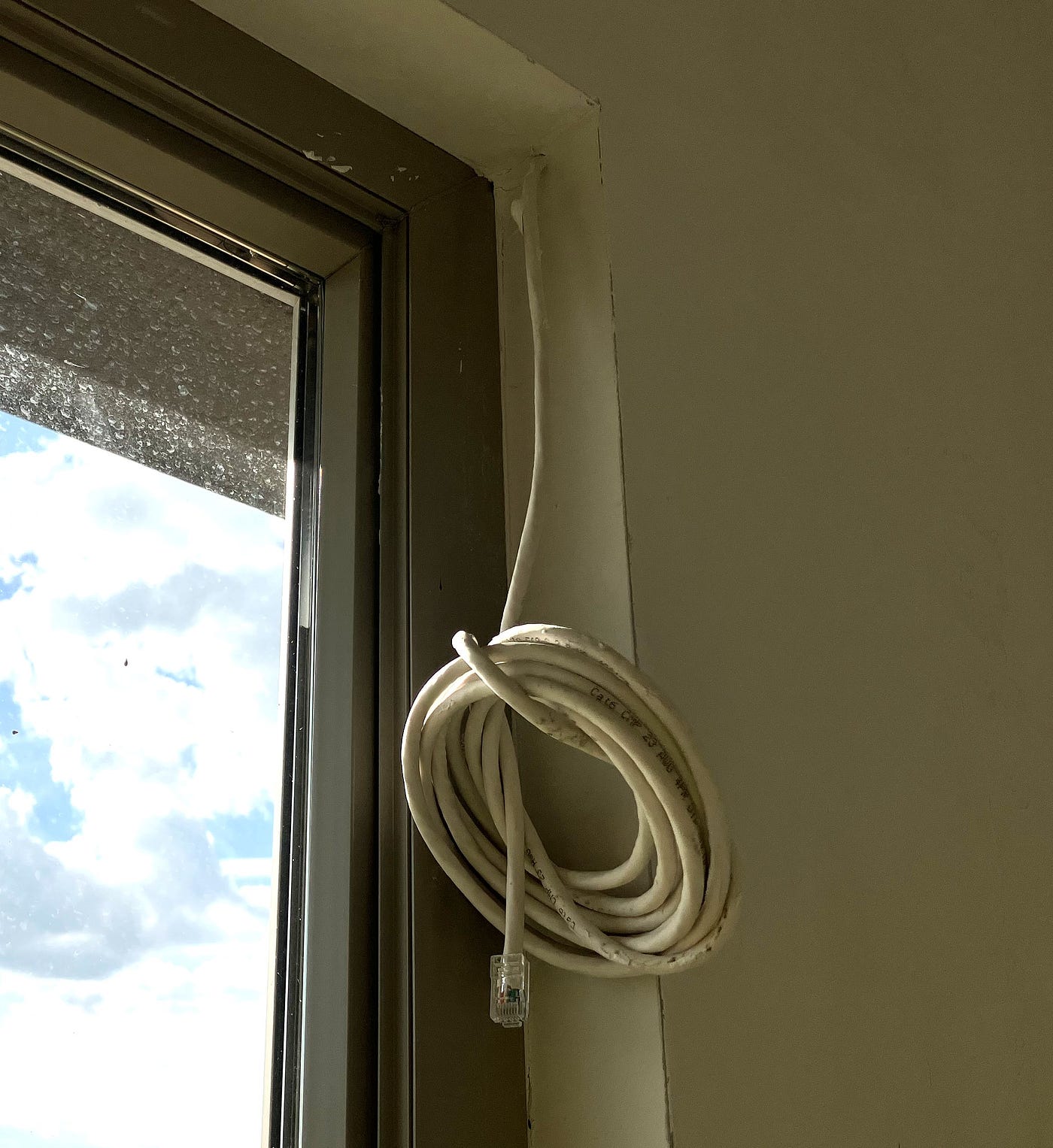
The electricians have also competed the installation of power in the floor ports in the living room and office. The living room install includes wall switching so we can automate lighting we project sitting on a table behind the couch. The office install has power as well (unswitched) but also includes two ethernet ports to power and provide network/internet access for the desk in the middle of the room without having to run cords across the floor from wall sockets.
Inside the home, the electricians implemented one of the more practical upgrades in the master bathroom. Electrical outlets featuring both USB-A and USB-C ports were installed inside the back of the vanity drawers. These concealed outlets will allow electric razors, hair dryers, toothbrushes, and other grooming devices to remain plugged in and stored out of sight. The goal is simple: reduce countertop clutter while keeping everyday devices accessible and charged.
In addition to the in-drawer outlets, traditional outlets with integrated USB-A and USB-C ports were installed above the master bathroom countertops. This provides flexibility for devices that need to remain accessible or temporarily plugged in while in use. The combination of hidden power and visible outlets creates a clean, functional solution that keeps surfaces uncluttered without sacrificing convenience. Thoughtful electrical planning like this reinforces the idea that a smart home is not just about automation — it’s also about intentional design that improves daily life.
Appliance installation continues as well — with the finishing of the cook top and dishwasher and refrigerator installs. This is really making it real for Debbie and I as we visualize meal prep and dining in the kitchen/dining room space. Debbie has put a lot of time in planning this and it’s coming out beautiful as well as functional.
We are currently scheduling installation with Culligan for the home’s water softener system. Given the mineral-heavy water common in our area, softening will help protect plumbing fixtures, extend appliance lifespan, and improve overall water quality.
This will complement the existing Phyn smart water shutoff valve, which monitors water flow in real time and can automatically shut off the main supply if a leak is detected. Together, these systems provide both proactive protection and long-term durability.
Additionally, the Phyn unit provides water usage reporting. The example below for February (to date) shows the days water was monitored and gives some data on use. This report shows use very low compared to once we are moved in and washing clothes, running the dishwasher, showering and all the other daily water activities — this one is primarily toilet and sink testing as the water for the Irrigreen smart sprinkler system bypasses this system and has it’s own reporting system.
While final construction details are being completed, Debbie and I have started the incremental move-in process. Each trip to the new house serves a dual purpose: handling build-related tasks and bringing smaller items — boxes, fragile belongings, and miscellaneous household goods — in our vehicles.
This strategy is designed to streamline the larger scheduled move next week, when furniture and heavier pieces will be transported. By gradually relocating smaller items now, we reduce the complexity and workload of moving day.
Garage space is becoming tight, however. As staging continues, available room is shrinking quickly. We’re hopeful that final construction elements will wrap up soon so interior spaces can begin absorbing stored items.
Part of the garage space challenge stems from a recent purchase — a golf cart. Once we’re fully settled, space constraints won’t be an issue, but for now it adds to the staging puzzle. Debbie is especially excited about the golf cart. It will make it easy to visit neighbors, explore the development, and collect mail once we’re moved in. While not a traditional smart home device, it certainly contributes to lifestyle efficiency — and adds a little fun to the mix.
I’ve recently started exploring the idea of installing ePaper displays in recessed wall panels throughout the house where power and network ports are already available. These displays could serve as ambient information hubs, showing weather, calendar events, or system status updates at a glance. Beyond passive information, they could also function as informal control points for scenes such as Wake Up, Good Night, Away From Home, and Welcome Home, along with quick access to specific device controls like lighting adjustments.
The appeal of ePaper technology lies in its low power consumption, always-on readability, and minimal visual distraction compared to traditional tablets or LCD screens. Since this is a newer concept for the project, I’m interested in hearing from anyone who has experience integrating ePaper displays into a smart home environment.
Integration work continues to expand system functionality and cohesion. Voice control through Amazon Alexa remains central to the experience. Lighting control through Zooz smart switches connected via the Z-Box Hub continues to be refined. Voice integration has also been extended to the Irrigreen smart sprinkler system, Genie garage door openers, and the three ecobee smart thermostats serving the Guest, Central, and Master zones.
These integrations allow temperature adjustments by zone and create the foundation for more advanced automations tied to occupancy sensors and SmartWings motorized blinds. Additional Zooz smart switches continue to be added to the Z-Box Hub inventory to ensure every circuit is available for automation development. Building a comprehensive device inventory is essential before developing coordinated scenes and whole-home routines.
The final Aqara Smart Lock U100 fingerprint keyless entry deadbolts have now been installed on the exterior patio doors. These locks support Apple Home Key for unlocking via iPhone or Apple Watch, fingerprint authentication for fast access, touchscreen keypad entry, Bluetooth connectivity, IP65-rated weather resistance, and Amazon Alexa compatibility. They are integrated through the Aqara Hub M3, allowing them to participate fully in the broader automation ecosystem.
Planned automations include automatic nighttime locking, lighting activation when doors are unlocked, and real-time status checks through voice commands.
Another DIY milestone was the installation of a 150W low-voltage transformer in the garage next to the Irrigreen sprinkler controllers. This transformer will power the front yard landscape lighting system. Low-voltage wiring was previously run to six tree locations during irrigation trenching, allowing for efficient installation of uplighting. Coordinating these systems during initial groundwork minimized disruption and ensured a clean infrastructure layout. The result will be enhanced curb appeal, improved nighttime visibility, and opportunities for smart scheduling and seasonal lighting adjustments.
Other DIY activities included the installation of TVs in the guest bedrooms. This gave the first opportunity to test the HDMI ARC audio with the Wiim Amp Pros and the ceiling speakers. The results were better than expected between connectivity and the audio quality so I’m excited about getting the rest of the TVs installed in the living room, master bedroom and patio.
As move-in approaches, the focus is shifting from installation to refinement. Electrical upgrades now support EV readiness and hidden convenience power. Water systems provide protection and longevity. Smart integrations continue expanding daily.
The next phase will center on optimizing automations, improving energy efficiency, integrating potential ePaper control points, and transforming a collection of smart devices into a cohesive, intelligent living environment.
And hopefully — reclaiming some garage space in the process.
Let Debbie and I know what your thoughts are on our plans and progress in the comments, DMs or email. Thanks again to all those following Debbie and I through our home building journey. It’s great to hear your success stories and suggestions as we move through the process of our new smart home build. And if you like the content I’m posting each week, don’t forget to ‘Like’ and ‘Follow.’
SmartHomeOnTheRange.com
메타데이터
- post_id
- dbabb971371e
- slug
- smart-home-build-week-55-dbabb971371e
- url
- https://medium.com/@tcaflisch/smart-home-build-week-55-dbabb971371e
- canonical_url
- https://medium.com/@tcaflisch/smart-home-build-week-55-dbabb971371e
- author_url
- https://medium.com/@tcaflisch
- status
- ok
- fetched_at
- 2026-07-09 00:50:33