Why Every Ethiopian Business Running Vehicles Needs a Fleet Management System Right Now
Running vehicles in Ethiopia is not cheap. It never has been. Between the fuel costs on the Djibouti corridor, the road conditions from…
Why Every Ethiopian Business Running Vehicles Needs a Fleet Management System Right Now
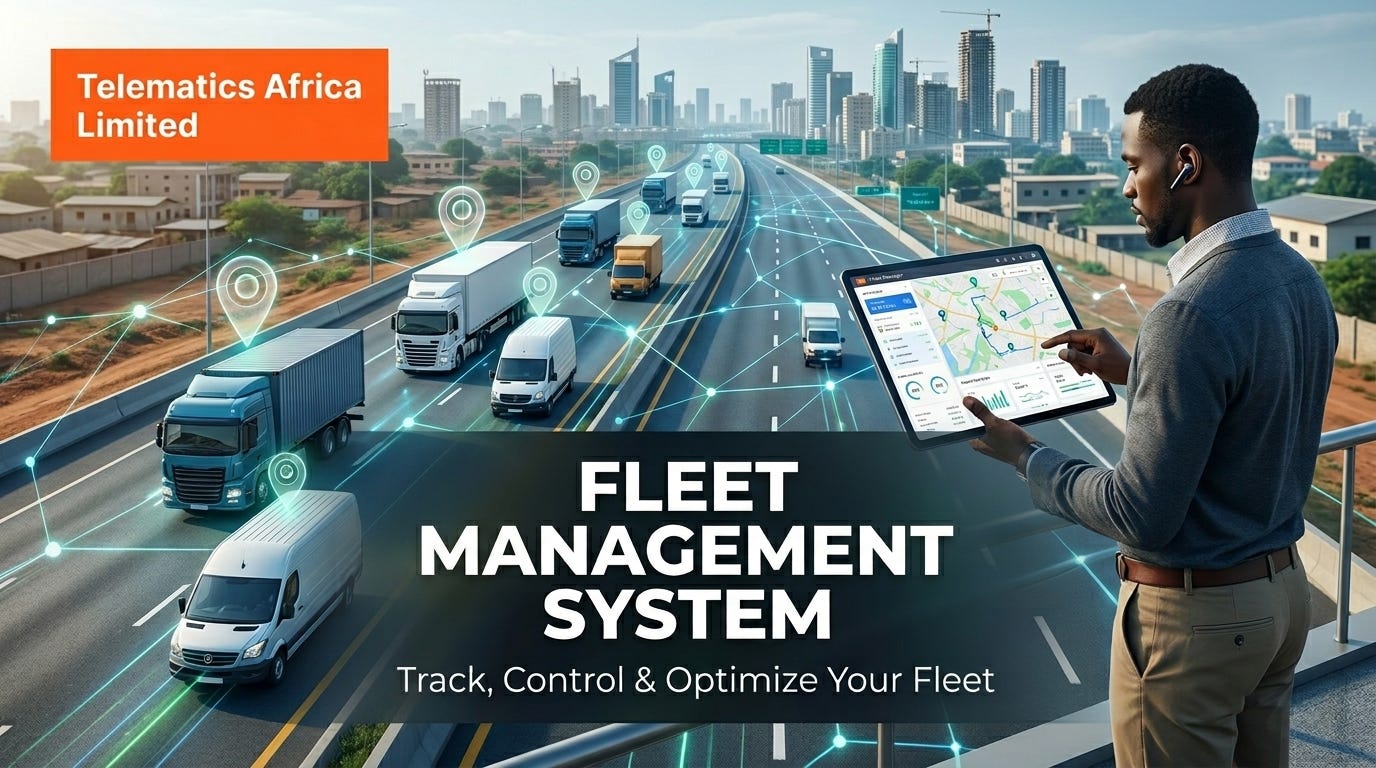
Running vehicles in Ethiopia is not cheap. It never has been. Between the fuel costs on the Djibouti corridor, the road conditions from Addis Ababa to regional towns, the pressure of meeting delivery windows, and the constant worry about what your drivers are doing when nobody is watching — managing a fleet here carries a weight that fleet owners in other parts of the world simply do not experience in the same way.
And yet, the majority of Ethiopian businesses operating trucks, minibuses, delivery vans, or company cars are still doing it the old way. A logbook here, a phone call there, someone standing at the gate checking vehicles in and out manually. It works — until it does not. Until a driver takes a detour nobody asked for, until fuel disappears faster than the mileage justifies, until a vehicle breaks down in Awash or Mojo and nobody knows exactly where it is or how long it will take to reach it.
A proper **fleet management system** changes that entirely. Not in theory — in practice, every single day.
What Is Actually Happening on Ethiopian Roads That Makes This Urgent
Ethiopia’s transport sector has grown significantly over the past decade. The country moves enormous volumes of goods, from fertiliser and wheat to manufactured products and consumer goods, and the corridor between Addis Ababa and the port of Djibouti is one of the most active freight routes on the continent. The government itself has acknowledged that without better systems for monitoring trucks, coordinating routes, and tracking cargo movement, the inefficiency costs businesses and the national economy heavily.
Fuel theft — called “kisheba” on trucks operating along the corridor — remains one of the most persistent problems fleet operators face. Cargo goes missing. Routes are not followed. Drivers push vehicles beyond safe speeds or idle for hours at stops that were never part of the schedule. Without visibility into what is happening in real time, managers are essentially operating blind and discovering the damage only after it has already been done.
On top of that, the Ethiopian government has been tightening requirements around speed limiters and vehicle tracking for commercial operators. Compliance is no longer optional for many categories of vehicles. The businesses that move early and put proper systems in place are the ones that avoid penalties and demonstrate professionalism to clients who increasingly demand accountability in their logistics partners.
How a Fleet Management System Actually Solves These Problems
The term gets used loosely, so it is worth being clear about what a real fleet management system does when it is properly implemented.
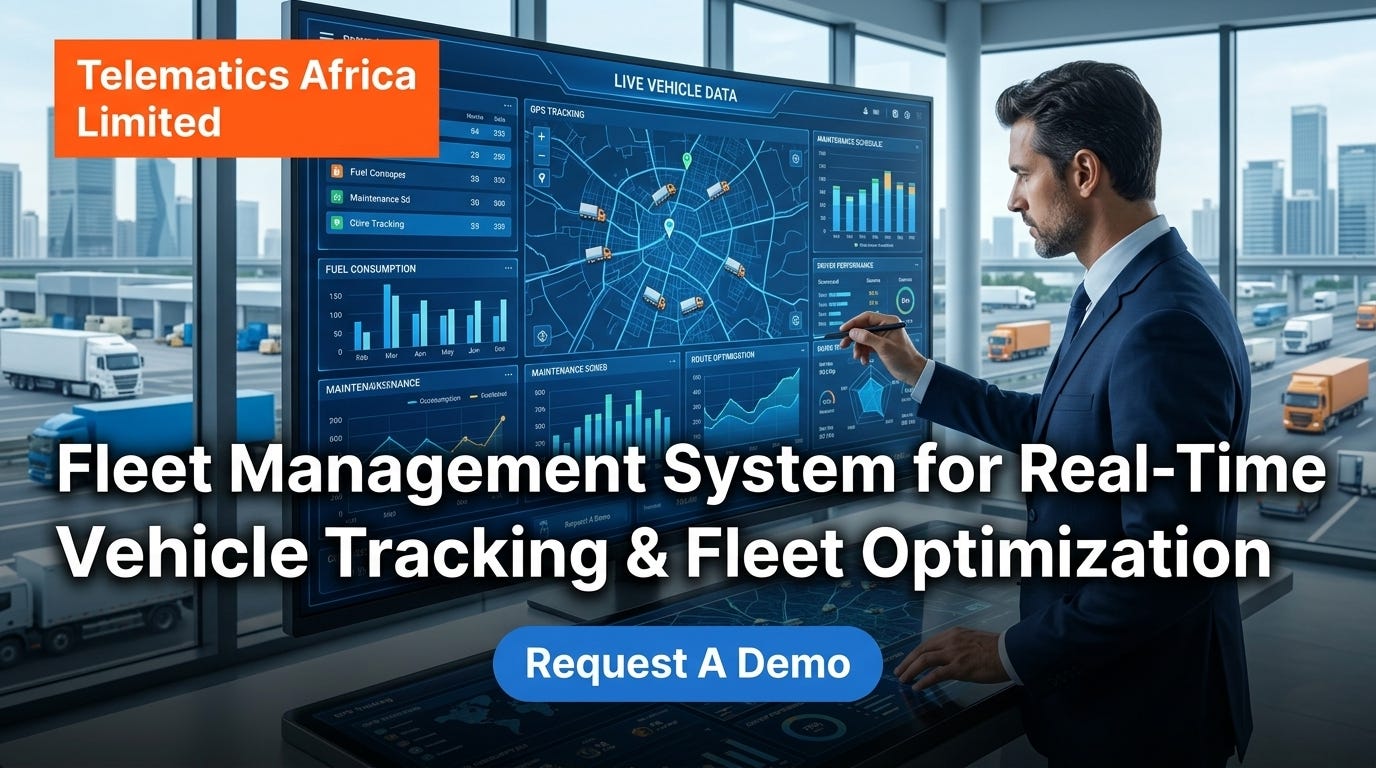
At its core, the system uses a device installed in each vehicle that connects to GPS satellites and transmits data — location, speed, engine status, distance covered — to a central platform that managers can access from a computer or mobile phone. That alone is transformative for a business that has previously relied on phone calls and driver reports to know where its vehicles are.
But the more meaningful value comes from what that data reveals over time.
Real-Time Vehicle Tracking That Eliminates Guesswork
When a customer calls asking where their delivery is, you no longer have to call the driver, wait for an answer, and hope the information is accurate. You open your dashboard and see exactly where every vehicle in your fleet is, what speed it is travelling at, and how long it has been at its current location. For logistics companies, this is not a luxury — it is the foundation of professional service.
For businesses running staff transport or company vehicles in and around Addis Ababa, real-time tracking also closes the gap on unauthorised use. If a vehicle leaves a defined area after hours, or takes a route that makes no sense for the job it was assigned to, the system flags it immediately. Managers can set geofence alerts — digital boundaries that trigger a notification the moment a vehicle crosses them — and take action before a small problem becomes an expensive one.
GPS Fleet Tracking That Cuts Fuel Costs Meaningfully
Fuel is typically the largest ongoing cost for any Ethiopian fleet operator. The combination of distance, road conditions, and the simple reality of drivers who have learned what they can get away with makes fuel management genuinely difficult without technology.
GPS fleet tracking addresses this from multiple angles. Excessive idling — engine running, vehicle stationary — is recorded and reported. Aggressive driving patterns that burn more fuel than necessary, such as sudden acceleration and hard braking, show up in driver behaviour reports. Route efficiency can be analysed so that vehicles are not covering unnecessary distance. And because every trip is logged with start and end points, fuel consumption can be compared against actual distance travelled, making theft and false reporting immediately visible.
Ethiopian fleet operators who have implemented GPS fleet tracking consistently report fuel savings that pay for the entire system within months. The numbers vary depending on fleet size and route type, but the pattern is consistent — when drivers know the vehicle is being monitored, behaviour improves.
Driver Behaviour Monitoring That Improves Safety Across the Board
Road safety in Ethiopia is a serious concern. Speeding is one of the most common causes of accidents involving commercial vehicles, and the consequences — injuries, vehicle damage, cargo loss, third-party liability — can be devastating for a business.
A vehicle tracking system records speed continuously and generates alerts when pre-set limits are exceeded. Some advanced systems can be linked to speed limiters that physically prevent vehicles from going above a set threshold. Beyond speed, the system tracks harsh braking, aggressive cornering, and prolonged idling — all of which are indicators of driving habits that increase risk and accelerate vehicle wear.
When drivers know this data is being collected and reviewed, the culture inside a fleet changes. The drivers who were using company vehicles as personal transport stop. The ones pushing speeds to finish runs faster slow down. Safety briefings move from general reminders to specific conversations grounded in real data from real trips.
Why the Vehicle Tracking System Needs to Be Part of a Bigger Picture
A vehicle tracking system is powerful on its own, but its value multiplies when it is connected to the other operational systems a fleet depends on.
Maintenance is one of the clearest examples. When the system tracks mileage and engine hours accurately, it can generate automatic alerts when a vehicle is due for a service. This sounds simple, but for a fleet of ten, twenty, or fifty vehicles, the difference between reactive maintenance — fixing things after they break — and proactive maintenance — servicing vehicles before problems develop — is enormous. Breakdowns on remote roads cost money in towing, delays, lost cargo, and emergency repairs. They are also preventable when maintenance is managed properly.
Fuel pump management is another integration that matters specifically for Ethiopian operators who run their own fuel storage. When the fuel dispenser is connected to the fleet system, every fuelling event is logged against a specific vehicle and driver. Unauthorised access becomes impossible. Fuel balance reconciles automatically. The manual logbook that everyone knows can be manipulated disappears.
Making the Investment Make Sense for Your Operation
One question that comes up consistently when Ethiopian business owners are considering a fleet management system is whether the cost justifies itself. The honest answer depends on fleet size, route types, and current levels of inefficiency — but the pattern across businesses that have made the investment is clear.
Fuel savings alone tend to generate a return within the first year for most operators. Add the reduction in vehicle wear from better driver behaviour, the elimination of unauthorised use, the improvement in delivery reliability that retains and attracts clients, and the compliance advantages — and the case becomes straightforward.
The businesses that delay tend to do so because the problems they are dealing with feel manageable. A bit of fuel theft here, an unverified route there. What changes when a proper fleet management system goes live is that you stop seeing the visible part of the problem and start seeing the full picture. And the full picture is almost always larger than people expected.
Ethiopia’s logistics and transport sector is moving quickly. The businesses that build proper operational foundations now — with real visibility, real data, and real control over their fleets — are the ones that will scale efficiently and serve clients at the level the market is beginning to demand.
Telematics Africa provides fleet management systems, vehicle tracking systems, and GPS fleet tracking solutions for businesses operating across East Africa, including Ethiopia.
Contact Us
Phone : 254 737 555 565
Email : support@telematicsafrica.com
Website : https://www.telematicsafrica.com/
메타데이터
- post_id
- dbcf800a05c1
- slug
- why-every-ethiopian-business-running-vehicles-needs-a-fleet-management-system-right-now-dbcf800a05c1
- url
- https://medium.com/@telematics188/why-every-ethiopian-business-running-vehicles-needs-a-fleet-management-system-right-now-dbcf800a05c1
- canonical_url
- https://medium.com/@telematics188/why-every-ethiopian-business-running-vehicles-needs-a-fleet-management-system-right-now-dbcf800a05c1
- author_url
- https://medium.com/@telematics188
- status
- ok
- fetched_at
- 2026-06-27 18:37:17