The Art of Disbelief: Why the 5-Step CRAAP Test Must Evolve to Survive 2026’s Information Crisis
Think the CRAAP test still works? In the age of AI-generated lies, your old verification habits might be putting you at risk.
The Art of Disbelief: Why the 5-Step CRAAP Test Must Evolve to Survive 2026’s Information Crisis

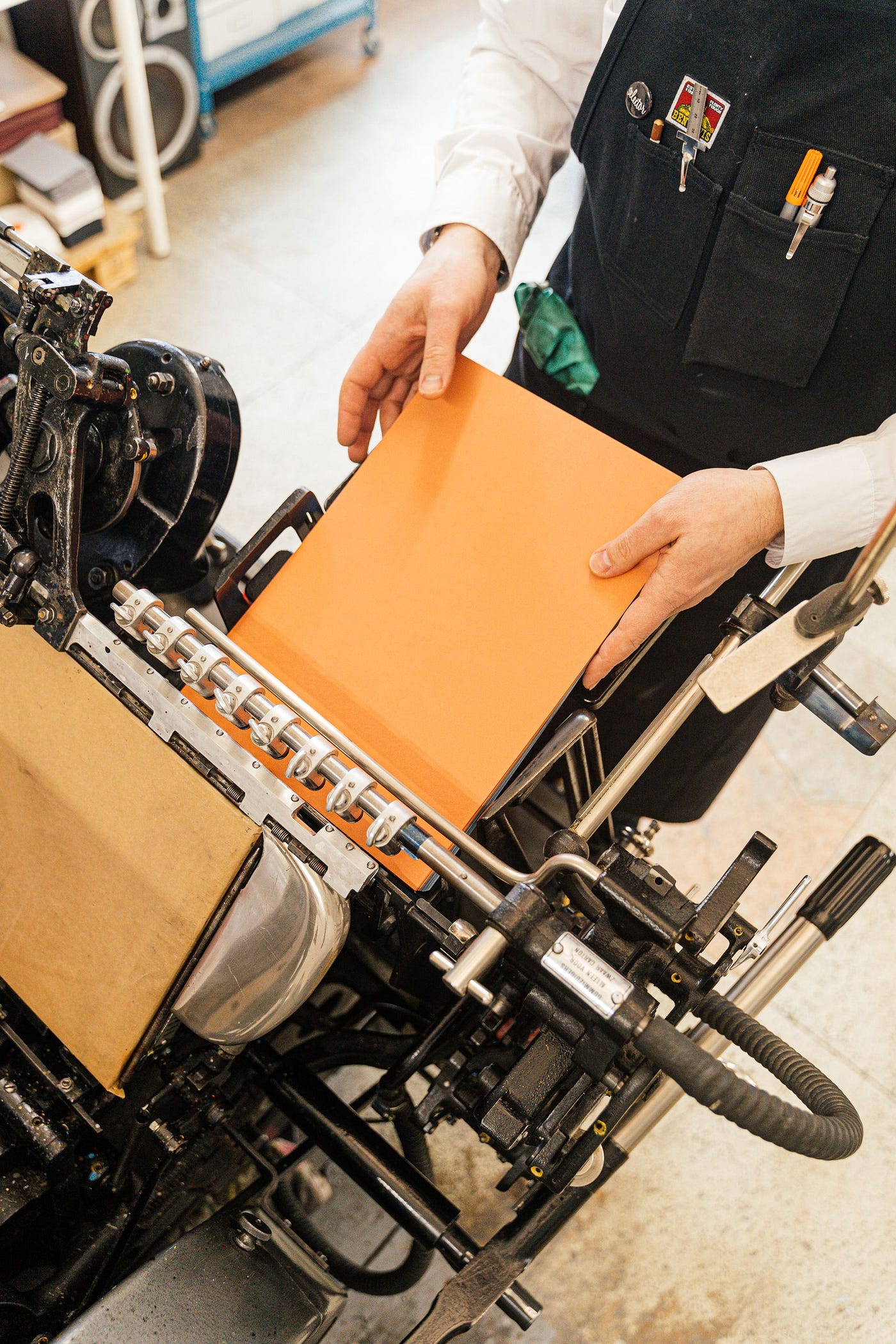
Ludovic Delot via Pexels.
I remember sitting in a quiet corner of a local coffee shop, preparing a workshop on digital literacy. I stumbled upon what looked like a beautifully designed PDF report from a seemingly prestigious global think-tank. The charts were clean, the academic citations were dense, and the author’s credentials appeared flawless.
It took me nearly fiteen minutes of searching outside their website to realize the entire organization was a digital ghost — a synthetically generated front designed to propagate a highly specific corporate narrative. I am a professional content strategist and writing coach, yet I had been thoroughly, albeit briefly, conned.
If those of us who study information for a living can be momentarily fooled, where does that leave everyone else?
The Weight of the Invisible Narrative
We no longer live in an era of simple “fake news”. We live in an era of hyper-optimized narrative design.
According to the World Economic Forum’s Global Risks Report, misinformation and disinformation are consistently ranked among the top short-term global threats facing humanity. The crisis is deeply personal: a recent Reuters Institute survey highlighted that a staggering 58% of global respondents are actively concerned about their ability to distinguish truth from falsehood in online news.
“When we cannot trust what we read, see, or hear, the entire foundation of democratic discourse and collective decision-making begins to crumbe.”
When Pew Research Center’s ongoing tracking of media habits reveals that three-quarters of adults regularly encounter inaccurate news, information literacy ceases to be a dry academic exercise. It becomes a critical survival skill.
The Blueprint: The Original CRAAP Test
To protect ourselves, we have historically relied on a tool developed in 2004 by librarian Sarah Blakeslee and her colleagues at California State University, Chico. It is affectionately known as the CRAAP Test.
For over two decades, this framework as served as the global standard in libraries and universities worldwide. As detailed in EBSCO’s classic guide on the CRAAP Test, the method relies on five key pillars:
- Currency: Is the information timely?
- Relevance: Does it fit your specific needs?
- Authority: Who is the creator, and what are their credentials?
- Accuracy: Is the content reliable, truthful, and supported by evidence?
- Purpose: Why does this information exist? Is it to inform, teach, sell, or entertain?
This framework was built for a simpler web. It was designed for an era when bad sources were easy to spot — marked by broken links, comic sans fonts, and glaring spelling errors.
But today, the digital ecosystem has changed.
The Fatal Flaw of the Modern Checklist
In the era of generative AI, bad actors no longer publish messy websites. They use large language models to generate pristine authoritative-sounding prose, complete with fabricated yet incredibly realistic citations.
The danger of the traditional CRAAP test is that it encourages what Stanford researchers call “vertical reading”. It asks you to stay on the page. It tells you to read the “About Us” section, analyze the domain name, and evaluate the internal logic of the writing.
Unfortunately, this is exactly what sophisticated bad actors want you to do. They design their websites to look incredibly professional, easily bypassing our internal checklists.
As noted in a striking piece from the Bulletin of the Atomic Scientists on AI-polluted journalism, thousands of AI-generated content farms now mimic legitimate news organization. If we only evaluate a source based on its internal features, we are highly vulnerable to being deceived.
The Upgrade: Moving from Vertical to Lateral Reading
To survive in the modern media landscape, we must learn to think less like traditional students and more like professional fact-checkers.
According to research shared by the Poynter Institute on lateral reading, professional fact-checkers spend very little time analyzing an unfamiliar website itself. Instead, they immediately open multiple browser tabs and search laterally to find out what other independent, trusted sources say about the website in question.
“To evaluate a source, you must leave it. You cannot verify a person’s reputation by asking them to vouch for themselves.”
A study published in the Harvard Kennedy School’s peer-reviewed Misinformation Review confirmed that explicitly teaching students to read laterally dramatically improves their ability to spot biased or misleading civic information.
This does not mean we should abandon Sarah Blakeslee’s framework. Instead, we must supercharge the CRAAP Test with a lateral mindset:
1. Lateral Currency
Do not just look for a date printed at the top of the article. Open a new tab and search for the topic. Has the scientific consensus or news story shifted since this piece was published?
2. Lateral Relevance
Determine if the source is truly relevant to your needs by examining how peer-reviewed journals and independent researchers reference it. A ScienceDirect review of educational interventions highlights that looking at how other fields cite a piece of work reveals its true academic weight.
3. Lateral Authority
Never rely on a self-written bio page. Search the author’s name in independent databases. What do their peers say about them? What are their actual affiliations?
4. Lateral Accuracy
Cross-reference claims. If a site presents a shocking statistic, do not accept it at face value because they have a footnote. Find the original study or data source.
5. Lateral Purpose
Look beyond the stated “mission statement”. Search for the funding behind the platform. Who owns the parent company? What political or commercial agendas might they be quietly promoting?
A Mindset of Resilient Skepticism
Ultimately, navigating the modern internet is not about following a rigid, five-step formula. It is about practicing intellectual humility.
Credibility is no longer something a source automatically possesses; it is something that must be actively earned through outward investigation. By combining the classic structure of the CRAAP test with the agile habits of lateral reading, we can protect our minds, our communities, and our shared democratic spaces.
The next time you read a headline that makes your blood boil, or find an article that perfectly confirms your biases, resist the urge to immediately share it. Take a deep breath, open a new tab, and start reading laterally.
Share Your Thoughts
What is your personal strategy for staying sane and spotting misinformation online? Have you ever been fooled by an incredibly realistic AI-generated source or a polished website? Let’s talk about it in the comments below!
메타데이터
- post_id
- dbd0041822e1
- slug
- the-art-of-disbelief-why-the-5-step-craap-test-must-evolve-to-survive-2026s-information-crisis-dbd0041822e1
- url
- https://medium.com/@memorylibrary28/the-art-of-disbelief-why-the-5-step-craap-test-must-evolve-to-survive-2026s-information-crisis-dbd0041822e1
- canonical_url
- https://medium.com/@memorylibrary28/the-art-of-disbelief-why-the-5-step-craap-test-must-evolve-to-survive-2026s-information-crisis-dbd0041822e1
- author_url
- https://medium.com/@memorylibrary28
- status
- ok
- fetched_at
- 2026-06-28 10:39:35