Letters From the Doorway: Discovering My Autism Through Parenting (and a Lifetime of Masking)
There are moments in life when you think you’re the guide — the steady hand, the map‑holder, the one who’s supposed to know the way…
Letters From the Doorway: Discovering My Autism Through Parenting (and a Lifetime of Masking)
There are moments in life when you think you’re the guide — the steady hand, the map‑holder, the one who’s supposed to know the way. Parenting teaches you quickly that this is a myth. Sometimes your child is the one holding the lantern, illuminating parts of your path you never knew were there.
That’s what happened to me.
I didn’t discover I was autistic through therapy or a formal evaluation. I didn’t even have a dramatic “aha” moment. I just… connected the dots one day and thought, Oh. That explains a lot. I self‑diagnosed, mostly because I didn’t need a professional to tell me what I already knew. I’ve lived in this brain for decades — I’m pretty familiar with the terrain.
When Autism Wasn’t a Thing (Especially for Girls Like Me)
It started with parenting. Watching my child struggle in ways that felt oddly familiar. Advocating for them in systems that had once quietly failed me. Recognizing patterns in them that I had spent a lifetime masking in myself.
The overwhelm, the need for routine, the deep thinking, the emotional intensity — all things I had chalked up to being “quirky” or “too sensitive.” Turns out, I wasn’t quirky. I was autistic. I just didn’t know it because, when I was a kid, autism wasn’t a thing — at least not for girls who could read early, follow rules, and didn’t lick the chalkboard.
Back then, if you were a girl who was smart but socially odd, you were “gifted.” If you were anxious, you were “dramatic.” If you were rigid, you were “bossy.” And if you were overwhelmed, you were “moody.” Autism was something that happened to boys who lined up toy cars and didn’t talk. Girls like me were just… nerdy. We were the ones who memorized the periodic table for fun and didn’t understand why everyone else thought small talk was a sport.
I remember for fun teaching myself math in base 2 (binary) in fifth grade. My school floating the idea of skipping a grade, but me objecting because I had only one friend and she was in the same grade as me…. And developing our own language with that same best friend after reading the book ‘The Secret Language’.
Masking: My Accidental Superpower
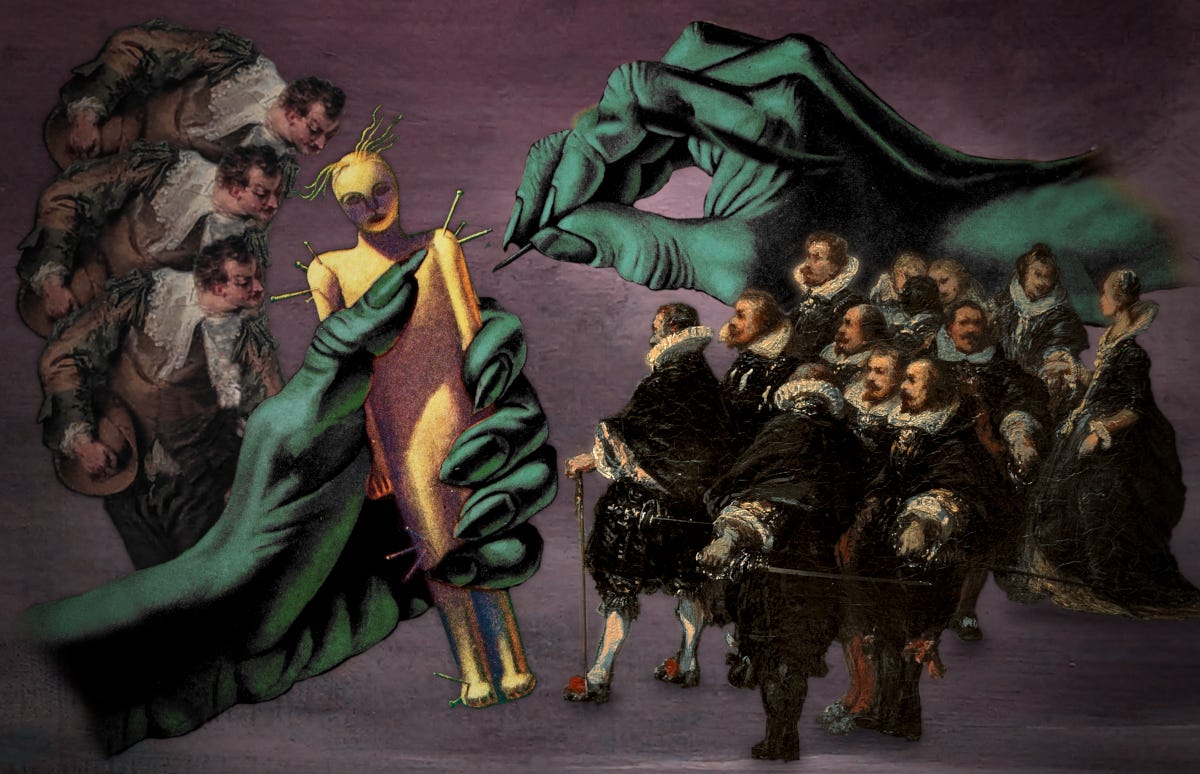
Masking was my superpower long before I knew it had a name. I learned to mimic, to blend, to perform “normal.” I studied people like I studied code — observing patterns, debugging my own behavior, rewriting scripts to fit in.
I became fluent in social camouflage. Smile here. Nod there. Don’t talk too much about your hyperfixation on computers or math. Pretend you’re not dying inside at the sound of fluorescent lights. It’s exhausting, but it works — until it doesn’t. Tags really push me over. I can’t handle a tag in my clothing being ‘scratchy’, and it happens a lot. I’ve been known to grab scissors and remove a tag, leaving a hole in my shirt — just because it has annoyed me beyond thought.
Masking is what keeps so many autistic women invisible. We’re the ones who look “fine” on the outside while quietly melting down inside. We’re the ones who get misdiagnosed with anxiety or depression because we’ve spent decades performing competence. We’re the ones who hold it together until we can’t — and then wonder why we’re so tired all the time.
The Parenting Mirror I Didn’t Expect
Fast‑forward to adulthood, and suddenly I’m sitting in meetings about my child’s evaluations, hearing words like “sensory processing,” “executive function,” and “masking.” And I’m thinking, Wait. That’s me. The child whose father wouldn’t go out to eat with the family because of me. At least that’s what he told me.
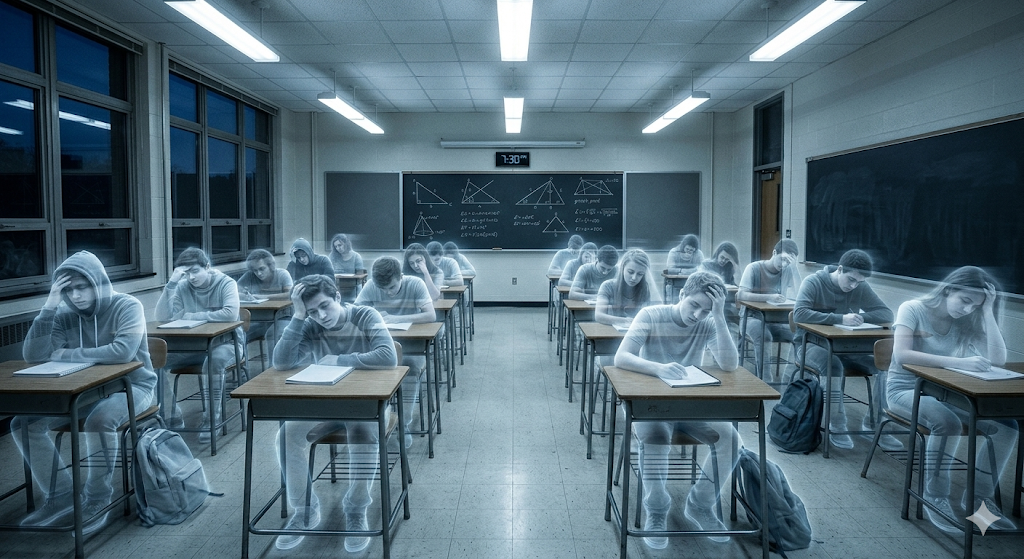
A therapist describes autistic masking, and I feel like someone just handed me the user manual for my own brain. A psychologist explains sensory overload, and I remember every meltdown I swallowed whole in middle school. A teacher talks about decision paralysis, and I flash back to applying to exactly one college because the idea of choosing more than one felt like juggling chainsaws.
There wasn’t a single dramatic moment — just a slow, quiet unfolding. A lifetime of “too much” suddenly made sense. The exhaustion, the overwhelm, the way I’ve always navigated the world sideways, carefully, like walking barefoot through a Lego minefield.
The Diagnosis That Rewrote My Past
Getting that clarity didn’t change who I was. It changed how I understood who I was.
It explained why I need recovery time after social events. Why I can hyperfocus for hours but forget to eat. Why I can write essays about emotional nuance but struggle to make small talk at the grocery store. It also changed how I parent.
Because suddenly, I wasn’t guessing. I wasn’t interpreting from the outside. I wasn’t trying to translate a language I didn’t speak. I knew the terrain. I had walked it barefoot.
So when my child struggled, I didn’t see defiance — I saw overload. When they hesitated, I didn’t see avoidance — I saw processing. When they chose fewer options, I didn’t see limitation — I saw self‑preservation.
My self‑diagnosis didn’t make me a different parent. It made me a more accurate one. It gave me the vocabulary I never had, the empathy I always needed, and the permission to stop pretending I was neurotypical.
The Doorway We Stepped Through Together
There’s a doorway moment in every parent’s life — the moment you realize your child isn’t just growing up, they’re becoming themselves. For me, that doorway came with a second realization: I was becoming myself, too.
My child’s journey didn’t just help them find their identity; it helped me find mine. We stepped through that doorway together — one discovering who they are, the other finally understanding who she’s always been.
And that’s the unexpected, beautiful gift of a late‑in‑life realization: you don’t just learn about yourself. You learn how to love your child more clearly, more gently, more truthfully — because you finally understand the shape of the world you both move through.
And if anyone asks why I didn’t get a formal diagnosis, I’ll tell them the truth: I didn’t need a certificate to validate my brain. I’ve been living in it long enough to know it’s real. Besides, I’m autistic — I already did the research.
Author’s Note
If you grew up before autism was part of the conversation — especially if you were a girl who was “smart but weird” — you might recognize yourself here. You’re not late. You’re right on time.
메타데이터
- post_id
- dbd56adbae63
- slug
- letters-from-the-doorway-discovering-my-autism-through-parenting-and-a-lifetime-of-masking-dbd56adbae63
- url
- https://medium.com/crossing-threshholds/letters-from-the-doorway-discovering-my-autism-through-parenting-and-a-lifetime-of-masking-dbd56adbae63
- canonical_url
- https://medium.com/crossing-threshholds/letters-from-the-doorway-discovering-my-autism-through-parenting-and-a-lifetime-of-masking-dbd56adbae63
- author_url
- https://medium.com/@k-richter
- status
- ok
- fetched_at
- 2026-06-21 12:17:11