A word of caution on the use of AI
The following is a slightly redacted excerpt from my book Beyond the Chatbot: AI Explained for the rest of us. Available on Amazon.
A word of caution on the use of AI
The following is a slightly redacted excerpt from my book Beyond the Chatbot: AI Explained for the rest of us. Available on Amazon.
A Word of Caution…
AI-generated images and videos open extraordinary creative possibilities, but they also introduce a new kind of responsibility. The tools to generate them can make imagery look convincingly real, sometimes indistinguishable from actual footage or photography. That power can be wonderful when used for storytelling, design, or prototyping, but it becomes risky when the line between imagination and evidence starts to blur. As AI visuals become more common, the burden shifts to each of us to slow down, question what we see, and understand that not every polished image represents the truth.
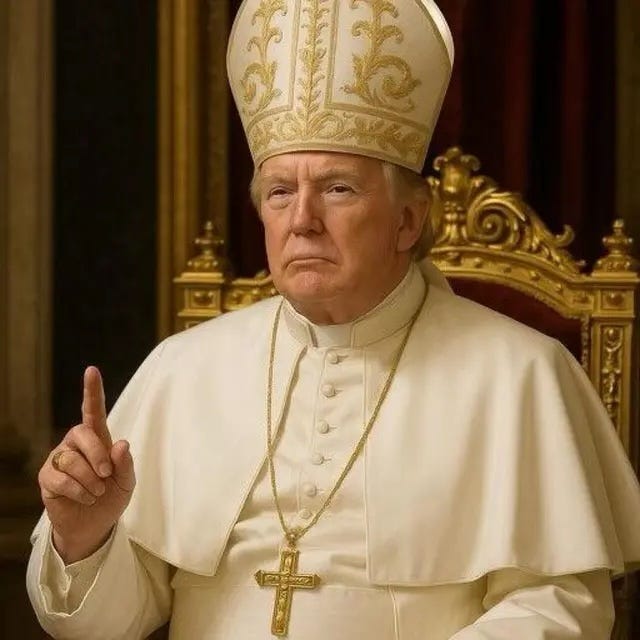
This matters because visuals shape opinions far more quickly than text ever could. A single AI-generated photo of a crowd, a protest, a politician, or a public figure can spread faster than any fact-checker can respond. In marketing, an AI-modified “before and after” image can mislead customers into thinking a product works miracles. In politics, a fabricated video clip could be used to suggest someone said or did something they never did, influencing public sentiment in ways that are subtle, emotional, and incredibly hard to reverse. In insurance cases AI imagery can be used to defraud insurances leading to higher prices and more severe checks for everyone trying to claim. When images become effortless to create, trust becomes easier to break.
We’ve already seen hints of how this can be weaponised. Social media campaigns using AI-generated pictures to stir controversy, false celebrity endorsements that never happened, deepfake videos designed to manipulate voters, fake disasters or emergencies causing panic before officials can respond. None of this requires advanced hacking, just a prompt and a platform. That’s what makes this moment in time so delicate: the tools are democratised, but the ethical maturity around them is still catching up.
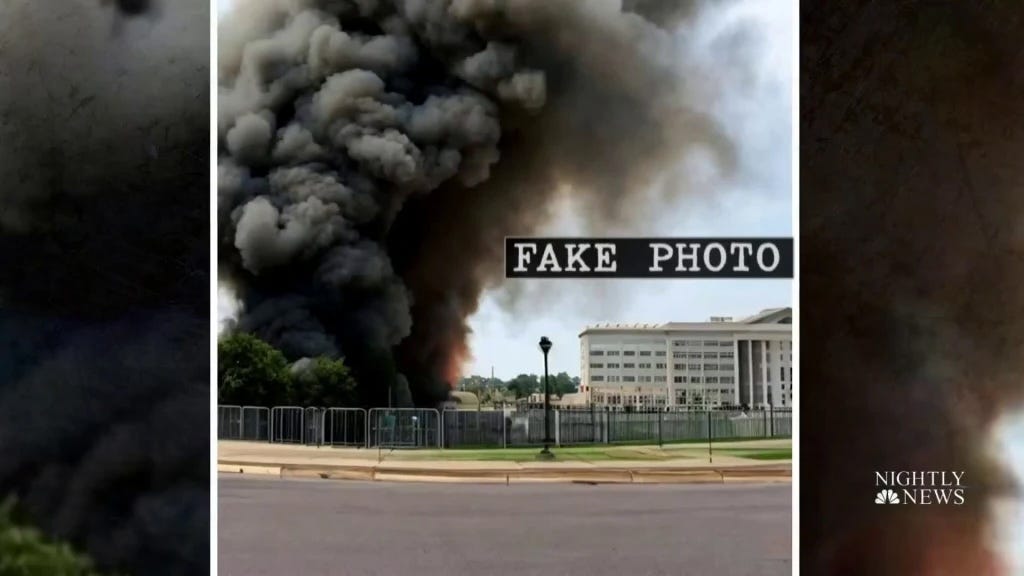
This doesn’t mean we should fear AI visuals; it means we should handle them with intention. We should use them to imagine possibilities, not to impersonate reality.
Be transparent when something is generated, especially in marketing or communication. And as a viewer, adopt a simple rule: pause before believing. Ask where the visual came from, whether a reputable source verified it, and whether it aligns with known facts. In a world where images can lie with confidence, the most important skill isn’t generating them, it’s being critical and seeing these images with clarity.
I hope you enjoyed reading this little excerpt from my book Beyond the Chatbot: AI Explained for the rest of us - an Amazon #1 Bestseller.
메타데이터
- post_id
- dbfdea8ccacf
- slug
- a-word-of-caution-on-the-use-of-ai-dbfdea8ccacf
- url
- https://medium.com/@rochda/a-word-of-caution-on-the-use-of-ai-dbfdea8ccacf
- canonical_url
- https://medium.com/@rochda/a-word-of-caution-on-the-use-of-ai-dbfdea8ccacf
- author_url
- https://medium.com/@rochda
- status
- ok
- fetched_at
- 2026-06-17 08:20:12