How AI Is Improving the Quality of Today’s Mobile Apps
Mobile apps have changed how we live, work, shop, learn, and communicate. What once started as simple tools for calling, texting, or…
How AI Is Improving the Quality of Today’s Mobile Apps
Mobile apps have changed how we live, work, shop, learn, and communicate. What once started as simple tools for calling, texting, or checking emails has evolved into powerful digital experiences that guide daily decisions. Behind this evolution, one major force is quietly shaping the quality of modern apps: Artificial Intelligence, or AI.
AI is not just a “tech trend” added for buzz. It has become a core part of how high-quality mobile apps are designed, built, and improved. From smoother performance to smarter features, AI is helping apps feel more personal, more reliable, and more human than ever before. This article explores, in simple terms, how AI is improving the overall quality of today’s mobile apps and why it matters to users and businesses alike.
In the early stages of planning intelligent apps, many businesses collaborate with a **mobile app Development Company** that understands not just coding, but how AI can be applied meaningfully to user experience, performance, and long-term growth. This shift in mindset — from building “functional apps” to building “intelligent experiences” — is where quality truly begins to change.

Quality in Mobile Apps Means More Than Fewer Bugs
When people talk about app quality, they often think only about technical stability. Does the app crash? Does it load? Does it freeze? While these things still matter, quality today goes far beyond basic performance.
A high-quality app now means:
- It understands user needs
- It adapts to different behaviors
- It feels fast even under heavy use
- It offers relevant content instead of noise
- It reduces effort and confusion
AI directly influences all of these areas. Instead of apps behaving the same way for every user, AI allows them to learn, adjust, and improve continuously.
From Static Apps to Learning Systems
Traditional mobile apps were static by nature. Developers defined rules, and the app followed them exactly. If user behavior changed, developers had to manually update the app to keep up.

AI changed this model.
Modern apps can now observe how users interact with them and learn patterns over time. This learning ability turns apps into dynamic systems rather than fixed products.
For example, if users consistently ignore certain features, AI helps identify what’s not working. If users struggle at a particular step, AI highlights friction points. Over time, the app improves not through guesswork, but through evidence.
This continuous improvement cycle is one of the biggest reasons AI has raised app quality standards across industries.
Smarter Performance Without Users Noticing
One of the most important improvements AI brings is performance optimization that happens quietly in the background.

AI helps apps:
- Predict which screens users will open next
- Preload content before it is requested
- Manage memory and battery usage efficiently
- Adjust performance based on device capability
The result is an app that feels fast and smooth, even if the technical workload is heavy. Users don’t see the AI working, but they feel the difference. Faster responses, fewer delays, and smoother transitions all contribute to higher perceived quality.
Personalization That Feels Natural
Personalization is one of the clearest ways AI improves app quality. Instead of forcing users to customize everything manually, AI adapts the experience automatically.
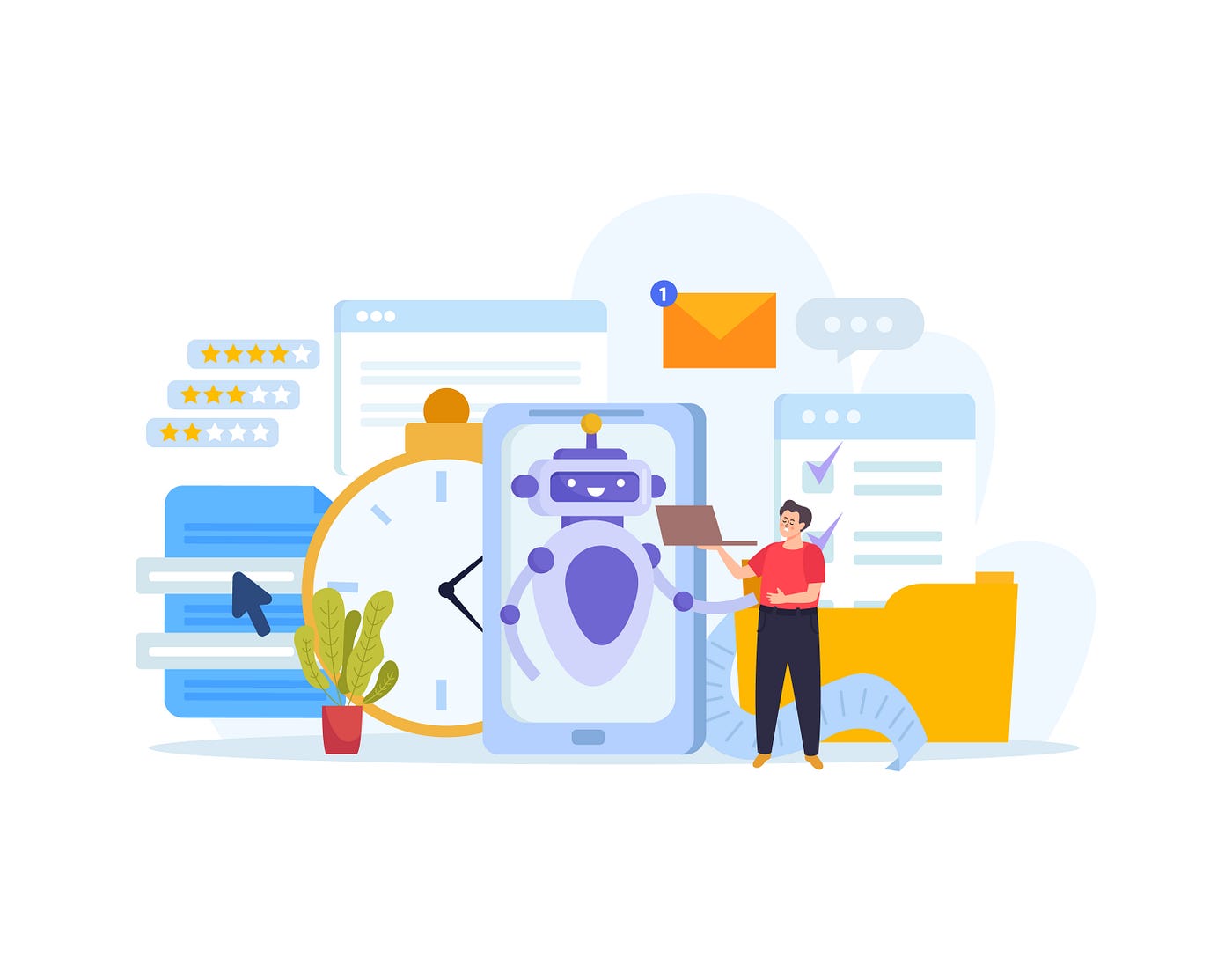
A news app learns which topics you read most. A fitness app adjusts goals based on your progress. A shopping app shows items that match your taste and budget.
The key is relevance. AI-powered personalization reduces clutter and focuses attention on what matters most to each user. When done well, personalization feels helpful, not intrusive.
This shift from “one-size-fits-all” to “one-size-fits-you” has become a defining mark of high-quality apps.
Better User Experience Through Context Awareness
AI allows apps to understand context, not just actions. Context includes time, location, device state, usage patterns, and even intent.
For example:
- An app may reduce notifications late at night
- A travel app may surface booking details when you arrive at an airport
- A finance app may warn users before risky spending decisions
By responding to context, apps become more thoughtful. They stop interrupting users at the wrong time and start supporting them at the right moments. This level of awareness significantly improves how users judge app quality.
AI-Driven Design Decisions
AI doesn’t only affect how apps behave; it also influences how they are designed.
Design teams now use AI-powered insights to understand:
- Which layouts users prefer
- Where users drop off
- Which buttons get ignored
- How long users stay on each screen
These insights help teams refine design choices based on real behavior rather than assumptions. Over time, this leads to cleaner interfaces, simpler flows, and fewer unnecessary elements.
Better design decisions directly translate into better app quality.
Quality Content Delivery at the Right Time
Content-heavy apps face a common challenge: showing the right content at the right time. AI helps solve this problem by ranking and filtering content based on relevance.
Instead of overwhelming users with endless options, AI curates content intelligently. This improves engagement while reducing mental effort.
Whether it’s videos, articles, notifications, or product suggestions, AI ensures that content adds value instead of becoming noise.
Security and Trust as Quality Factors
App quality is also measured by how safe and trustworthy an app feels. AI plays a growing role in improving security without hurting usability.
AI systems can:
- Detect unusual login behavior
- Identify potential fraud patterns
- Flag suspicious transactions
- Reduce false security alerts
Instead of relying on rigid security rules, AI adapts to user behavior. This means better protection with fewer interruptions, which enhances trust and overall quality.
Improving Accessibility Through Intelligence
A truly high-quality app works well for everyone, including users with different abilities. AI has become a powerful tool for improving accessibility.
Examples include:
- Voice commands for hands-free navigation
- Text-to-speech for visually impaired users
- Speech-to-text for hearing-impaired users
- Smart scaling for readability
These features not only expand reach but also demonstrate thoughtful design. Apps that consider accessibility are often rated higher by users and platforms alike.
AI Helping Developers Build Better Apps
AI is not only improving apps for users; it is also improving how apps are built.
Developers use AI-powered tools to:
- Identify bugs earlier
- Predict performance issues
- Automate testing processes
- Improve code quality
By reducing repetitive work, AI allows development teams to focus more on innovation and user experience. This results in fewer errors, faster updates, and more polished apps over time.
Real-World Impact Across Industries
AI-driven quality improvements are visible across many industries.
In healthcare apps, AI improves accuracy and reliability by analyzing patterns and reducing human error. In education apps, AI personalizes learning paths, improving outcomes. In finance apps, AI enhances clarity and decision support. In retail apps, AI improves discovery and checkout experience.
Across these sectors, AI has raised user expectations — and forced apps to meet higher quality standards.
Choosing the Right Expertise Matters
Not every team has deep AI knowledge in-house. Many companies work with specialized partners to implement AI features properly.
For instance, an **iphone app development company** may focus on optimizing AI models for performance, privacy, and battery efficiency on Apple devices. Such focused expertise ensures that AI enhances quality rather than creating new problems.
The quality of AI integration depends heavily on thoughtful planning, not just advanced technology.
Avoiding the Trap of “AI for Show”
One mistake some apps make is adding AI features just for marketing. This often results in confusing experiences or unnecessary complexity.
High-quality AI implementation follows a simple rule: if it doesn’t help the user, it doesn’t belong.
The best apps use AI quietly. Users don’t need to understand the technology; they only need to feel the benefit.
Ethics, Transparency, and Long-Term Quality
As AI becomes more powerful, ethical considerations become part of app quality. Users care about how their data is used and whether AI decisions are fair.
Transparent privacy policies, clear permissions, and easy controls build trust. Apps that respect users tend to maintain higher quality perceptions over time.
Long-term quality is not just about features — it’s about relationships.
What the Future of App Quality Looks Like
In the coming years, AI will push app quality even further. Apps will anticipate needs instead of reacting to them. They will guide users gently instead of interrupting them.
However, the core goal will remain the same: make apps simpler, more helpful, and more human.
Technology will evolve, but quality will always be judged by how well an app fits into real life.
Final Thoughts
AI is reshaping the quality of mobile apps in ways that users can feel, even if they don’t always see the technology behind it. From smarter performance and personalization to stronger security and accessibility, AI raises the standard of what a “good app” should be.
Building such experiences requires more than tools. It requires understanding human behavior, ethical responsibility, and long-term vision. This is why many businesses turn to a trusted **AI Development Company** that can align advanced intelligence with real user needs.
At its best, AI does not make apps complicated. It makes them better.
Frequently Asked Questions
1. How does AI improve the quality of mobile apps?
Ans: AI improves app quality by making apps smarter, faster, and more personalized. It helps apps learn from user behavior and adjust features to create better experiences.
2. Can AI make mobile apps faster and smoother?
Ans: Yes. AI predicts user actions and preloads content in advance, reducing loading time and improving overall app performance.
3. Does AI help improve user experience in apps?
Ans: AI enhances user experience by showing relevant content, simplifying navigation, and adapting app behavior based on user preferences and context.
4. Is AI only useful for large or complex apps?
Ans: No. AI can improve both simple and advanced apps. Even basic apps benefit from AI features like smart search, recommendations, and automation.
5. How does AI help with app security?
Ans: AI detects unusual behavior, prevents fraud, and improves authentication processes, making apps safer without adding complexity for users.
메타데이터
- post_id
- dc06b9da3a77
- slug
- how-ai-is-improving-the-quality-of-todays-mobile-apps-dc06b9da3a77
- url
- https://medium.com/@apptechies/how-ai-is-improving-the-quality-of-todays-mobile-apps-dc06b9da3a77
- canonical_url
- https://medium.com/@apptechies/how-ai-is-improving-the-quality-of-todays-mobile-apps-dc06b9da3a77
- author_url
- https://medium.com/@apptechies
- status
- ok
- fetched_at
- 2026-07-11 21:00:18