AI-Generated Content: How Accurate Is It, and Can We Trust It?
Recently, Artificial Intelligence (AI) has made content creation easier and faster than ever before. AI models like ChatGPT, Google Bard…
AI-Generated Content: How Accurate Is It, and Can We Trust It?
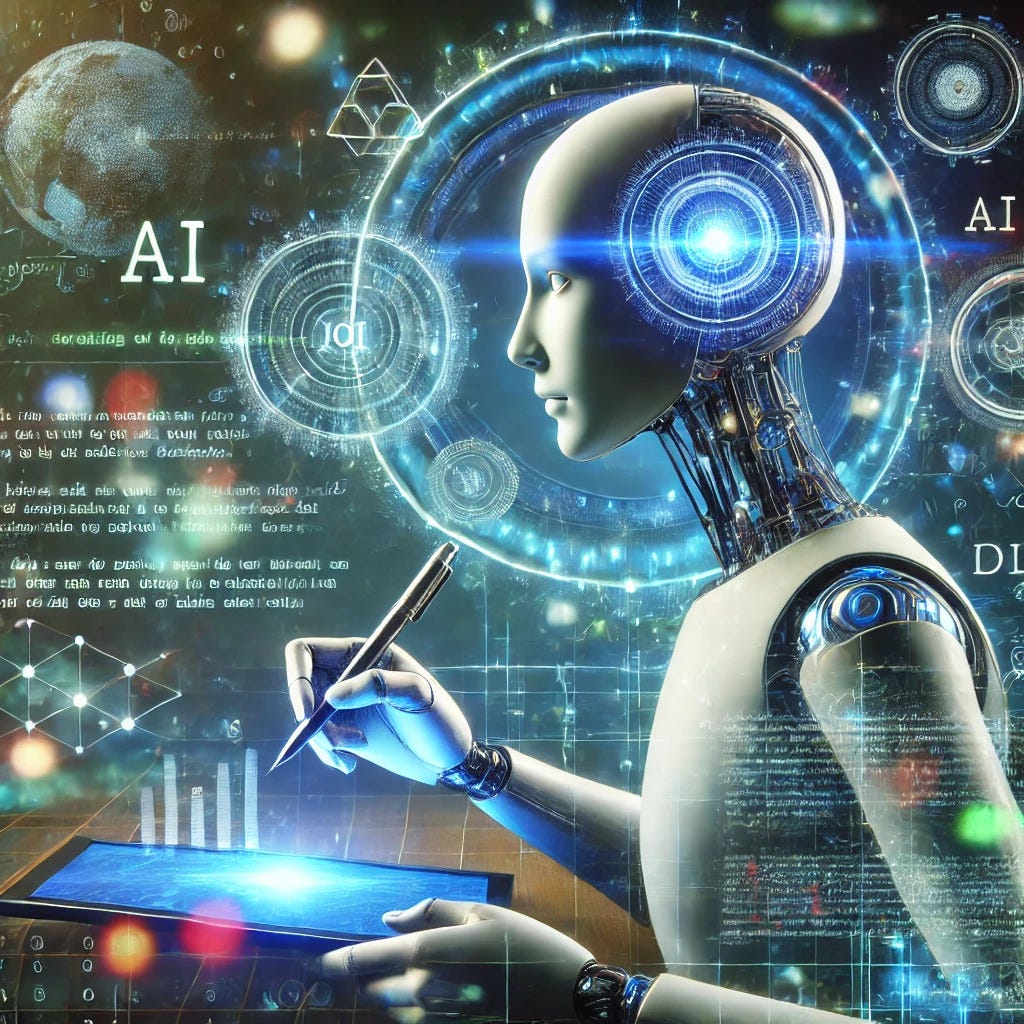
Recently, Artificial Intelligence (AI) has made content creation easier and faster than ever before. AI models like ChatGPT, Google Bard, and other language models can produce human-like and convincing texts with just one click. From social media posts to academic essays, AI-generated content is becoming increasingly common. However, with the rise of such content, an important question arises: How trustworthy is the content produced by AI? Especially when AI pulls data from vast, unverified sources?
AI, though known to be highly intelligent and is said to have high IQ, does not truly “understand” the questions it answers. AI doesn’t know whether the information it provides is true or false. It heavily relies on the data it is trained on, which isn’t always verified for accuracy or truthfulness.
How AI Generates Content
AI models like GPT-4 are based on machine learning, specifically deep learning. These models are trained using large datasets that contain snippets of text from books, websites, articles, and other public sources. AI learns by recognizing patterns in this data, then uses those patterns to generate content that mimics human-written text.
Misinformation in AI
The quality of AI-generated answers is only as good as the data they rely on. Since AI models cannot discern whether the data is true or false, they cannot differentiate between fact and fiction. One of the major issues lies in the data used to train these models. OpenAI, in its report on GPT-4, mentions that the data they use comes from publicly available sources — such as internet data, licensed data from third-party providers, and information provided by their human trainers. Much of the information circulating on the internet may be unreliable. Fake news, biased perspectives, and misinformation can easily end up in the vast dataset used to train AI. As a result, AI models may “hallucinate” or generate information that seems plausible but is actually false.
OpenAI mentions that hallucinations can occur both in open domains, where the model gives incorrect information about general facts, and in closed domains, where the model is tasked with processing specific text but adds information that wasn’t originally present. As users become more accustomed to accurate AI answers, they may start trusting AI more. This can be dangerous, especially because AI responses can sound convincing, leading to overreliance on the model’s outputs.
AI’s Inability to Understand Context
Beside misinformation, another reason AI-generated content cannot always be trusted is that AI lacks the ability to truly understand context. AI models are trained to recognize patterns in text, but they don’t “understand” the meaning behind the words. AI only predicts what word will come next based on patterns from all the data it has learned. For instance, during its learning process, ChatGPT is tasked with completing a sentence like: “Instead of turning left, she turned ___.” Initially, the model would respond with random words, but as it reads and learns from more text, it better understands such sentences and predicts the next word. This limitation creates issues, especially for topics requiring deeper insight, critical thinking, or ethical considerations.
Bias in AI Content
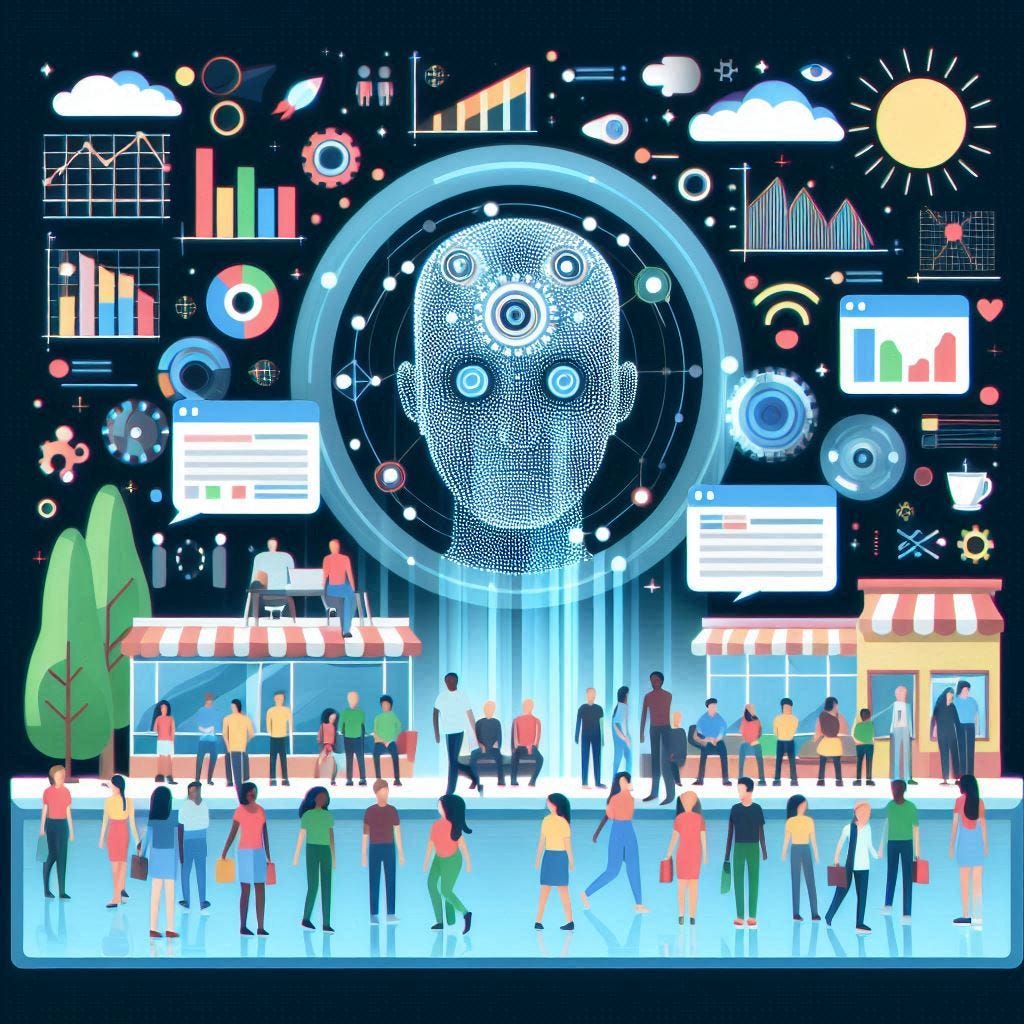
Bias is another issue that affects the reliability of AI-generated content. AI can produce content that reflects human biases found in the data it is trained on. If the data contains bias — whether intentional or not — AI is likely to replicate this bias in the content it generates. This can cause problems where AI content reinforces harmful stereotypes or presents a one-sided view on complex issues.
For instance, an AI model trained primarily on Western media might produce content that reflects Western views, while offering little insight into other cultures or regions. Similarly, a model trained on biased datasets might generate content that is discriminatory or biased without the creators even realizing it.
Conclusion
AI has become an incredibly useful tool in our daily work, leading many to use AI for creating content that will be posted on social media. However, while AI can generate content quickly and convincingly, the accuracy of the information it produces must be questioned and verified. AI cannot understand context or distinguish between fact and fiction, therefore often producing misleading or biased information based on its unverified training data. Given these limitations, it is crucial for users to remain cautious and not fully rely on AI-generated content without verifying its accuracy.
By fact-checking and using credible sources before using AI-generated content, we can ensure that the information we share is trustworthy and free from bias. To stay updated on the latest developments in AI and technology, and to join exciting technology-related events, make sure to follow COMPFEST on Instagram, Twitter, Facebook, LinkedIn, and visit our website at compfest.id. (Editorial Marketing/Nafisa)
References
메타데이터
- post_id
- dc4354c27114
- slug
- ai-generated-content-how-accurate-is-it-and-can-we-trust-it-dc4354c27114
- url
- https://medium.com/compfest/ai-generated-content-how-accurate-is-it-and-can-we-trust-it-dc4354c27114
- canonical_url
- https://medium.com/compfest/ai-generated-content-how-accurate-is-it-and-can-we-trust-it-dc4354c27114
- author_url
- https://medium.com/@nafisa.arrasyida
- status
- ok
- fetched_at
- 2026-06-10 08:17:25