Moles vs Warts: What Your Skin Is Trying to Tell You
Understanding Skin Growths: Why They Appear
Moles vs Warts: What Your Skin Is Trying to Tell You
Understanding Skin Growths: Why They Appear
Skin growths are extremely common and often harmless, but they can sometimes signal underlying health issues. Our skin constantly regenerates, and during this process, cells may cluster or react abnormally to infections, sun exposure, or genetic factors. Moles and warts are two of the most frequently seen skin growths, yet many people confuse them. Understanding what causes these growths and how they differ helps you recognize when something is normal and when medical attention is necessary to protect your skin health.
What Are Moles and How Do They Form?
Moles, medically known as nevi, are clusters of pigmented skin cells called melanocytes. They usually appear as brown, black, or flesh-colored spots on the skin. Most moles develop during childhood or early adulthood and are often influenced by genetics and sun exposure. While many moles are harmless, changes in size, shape, or color can sometimes indicate skin cancer. This makes regular monitoring essential, especially for people with many moles or a family history of melanoma.
What Are Warts and Why Do They Develop?
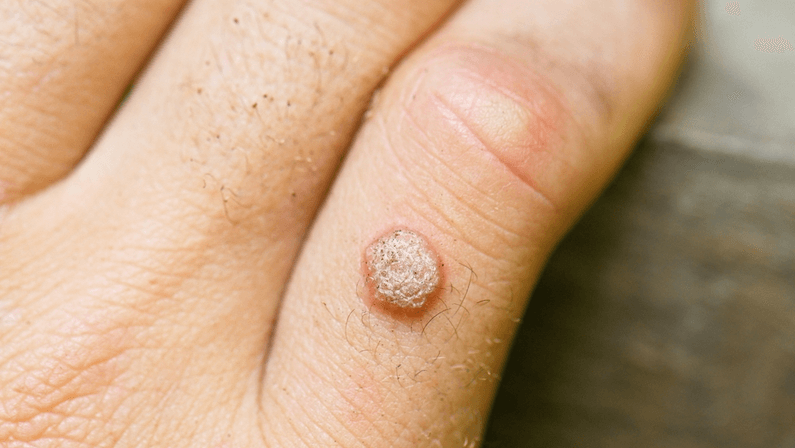
Warts are small, rough skin growths caused by the human papillomavirus (HPV). Unlike moles, warts are contagious and can spread through direct skin contact or shared surfaces. They commonly appear on the hands, feet, face, and genital area. Warts may feel rough, have a cauliflower-like appearance, or contain tiny black dots, which are clotted blood vessels. Although usually harmless, warts can be uncomfortable, embarrassing, and persistent without proper treatment.
Key Differences Between Moles and Warts
Moles and warts differ significantly in appearance, cause, and behavior. Moles are generally smooth, flat or slightly raised, and evenly colored, while warts are rough, irregular, and often flesh-colored. Moles are non-contagious and related to pigmentation, whereas warts are caused by viral infection and can spread. Additionally, moles rarely disappear on their own, while warts may resolve spontaneously or multiply if untreated. Recognizing these differences helps prevent misdiagnosis and unnecessary worry.
What Your Moles Might Be Signaling
Most moles are benign, but changes in a mole’s appearance can be a warning sign. Dermatologists recommend using the ABCDE rule — Asymmetry, Border irregularity, Color variation, Diameter enlargement, and Evolving changes — to identify suspicious moles. Sudden itching, bleeding, or rapid growth should never be ignored. These signs may indicate melanoma, a serious form of skin cancer. Early detection dramatically improves treatment outcomes, making regular skin checks crucial.
What Persistent Warts Say About Your Immune System
Warts often indicate how well your immune system is functioning. A healthy immune response may eliminate warts naturally over time. However, persistent, spreading, or recurring warts may suggest a weakened immune system or repeated exposure to HPV. Stress, illness, or certain medications can make the body less effective at fighting viral infections. In such cases, professional dermatological treatment helps prevent further spread and reduces discomfort.
When Moles or Warts Become a Concern
While most moles and warts are harmless, certain warning signs require immediate medical attention. Rapid growth, pain, bleeding, color changes, or ulceration should be evaluated by a dermatologist. Genital warts, facial warts, or moles in areas exposed to constant friction also require professional assessment. Ignoring concerning skin changes may delay diagnosis of serious conditions, including skin cancer or chronic viral infections.
Diagnosis: How Dermatologists Identify Moles vs Warts
Dermatologists use visual examination, dermoscopy, and sometimes skin biopsy to differentiate between moles and warts. Dermoscopy allows close inspection of skin patterns not visible to the naked eye. If a mole appears suspicious, a biopsy may be performed to rule out cancer. Warts are often diagnosed clinically based on appearance, but atypical lesions may also require testing. Accurate diagnosis ensures proper treatment and peace of mind.
Treatment Options for Moles and Warts
Treatment depends on the type, size, and location of the skin growth. Benign moles usually do not require treatment unless they cause discomfort or cosmetic concern. Removal methods include surgical excision or laser therapy. Warts may be treated using topical medications, cryotherapy (freezing), laser treatment, or minor surgical procedures. Professional treatment is safer and more effective than home remedies, especially for sensitive areas.
Book an Appointment with the Best Dermatologist in Karachi via InstaCare
If you notice unusual skin growths, changing moles, or persistent warts, consulting a specialist is essential. Through InstaCare, you can easily **book an appointment with the best dermatologist in Karachi **online. InstaCare allows you to compare experienced dermatologists, read verified patient reviews, and choose clinics near you. Early evaluation and expert care help protect your skin health and prevent serious complications.
Conclusion
Moles and warts may look similar at first glance, but they tell very different stories about your skin and overall health. Understanding their causes, differences, and warning signs empowers you to take proactive steps toward early diagnosis and treatment. Regular skin checks and timely dermatological consultations play a vital role in maintaining healthy skin. When in doubt, professional advice is always the safest choice.
Frequently Asked Questions (FAQs)
1. Can a mole turn into a wart?
No, moles and warts have different causes. Moles are pigmented cell clusters, while warts are caused by viral infection.
2. Are warts dangerous?
Most warts are harmless, but some types, especially genital warts, require medical evaluation and treatment.
3. Should all moles be removed?
No, only suspicious or bothersome moles need removal. Most benign moles do not require treatment.
4. Can warts spread to other body parts?
Yes, warts are contagious and can spread through scratching or skin-to-skin contact.
5. When should I see a dermatologist for skin growths?
You should consult a dermatologist if a growth changes, bleeds, becomes painful, or spreads rapidly.
메타데이터
- post_id
- dc6e7ef28b41
- slug
- moles-vs-warts-what-your-skin-is-trying-to-tell-you-dc6e7ef28b41
- url
- https://medium.com/@usman.instacare/moles-vs-warts-what-your-skin-is-trying-to-tell-you-dc6e7ef28b41
- canonical_url
- https://medium.com/@usman.instacare/moles-vs-warts-what-your-skin-is-trying-to-tell-you-dc6e7ef28b41
- author_url
- https://medium.com/@usman.instacare
- status
- ok
- fetched_at
- 2026-07-14 06:57:04