January 12: The Schoolhouse Blizzard of 1888
History is full of storms, but few are as haunting as the one that struck the American Great Plains on January 12, 1888. It wasn’t just the…

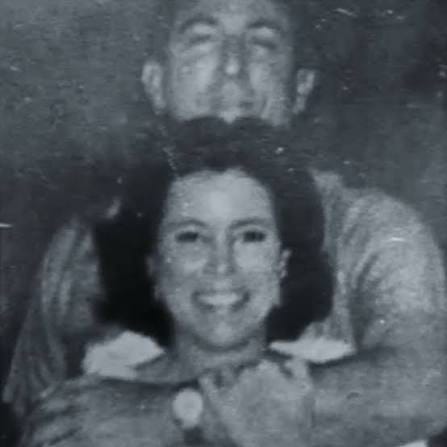
Minnie Mae Freeman with her class in rural Valley County, Nebraska
January 12: The Schoolhouse Blizzard of 1888
History is full of storms, but few are as haunting as the one that struck the American Great Plains on January 12, 1888. It wasn’t just the intensity of the cold that made it “dark history” — it was the timing. Because of a freakish atmospheric trap, this storm targeted the most vulnerable members of the frontier: the children.
The morning of January 12 began with a strange, eerie beauty. After weeks of a brutal, soul-crushing winter, the temperatures suddenly spiked. In parts of the Dakota Territory and Nebraska, the air felt almost like spring.
Relieved parents, sensing a rare break in the cold, sent their children to school in light jackets — some even without hats or mittens. Farmers headed far into their fields to tend to livestock. The windows of one-room schoolhouses were propped open to let in the fresh air.
It was a fatal mistake orchestrated by nature.
Around midday, the sky didn’t just turn gray; it turned black. A massive cold front from Canada collided with the warm air, creating a “wall of ice” that moved across the plains at speeds of over 60 miles per hour.
In an instant, the temperature plummeted. In some areas, it dropped 100 degrees Fahrenheit in less than 24 hours. The transition was so violent that the air became a solid mass of pulverized ice and snow. Visibility was zero. People reported they couldn’t see their own hands in front of their faces.
The storm hit just as many schools were preparing to dismiss for the day. Teachers — mostly young women in their late teens or early twenties — were faced with an impossible choice: Stay put and risk freezing to death as the sod or wood schoolhouses ran out of coal and wood. Secondly, teachers could attempt the walk and try to lead a string of small children through a total whiteout to the nearest farmhouse.
The stories that emerged were the stuff of nightmares. Children were found weeks later, frozen in “human chains,” having gripped each other’s coats until the very end. Some teachers tied their students together with twine to keep them from drifting off into the void.
In Nebraska, 19-year-old teacher Minnie Freeman famously tied her 13 students together and led them through the windstorm to her own home. They all survived. Others were not so lucky; many teachers died huddling over their students, trying to provide warmth with their own bodies.
When the wind finally died down on January 13, the plains were a graveyard for approximately 235 to 500 people who had perished. The majority of the perished were school-aged children and immigrant farmers who had become disoriented just yards from their own front doors.
As a result of the storm, the snow was so fine and wind-packed that it buried entire houses. Search parties had to use long metal rods to poke through the drifts to find bodies.
The “Children’s Blizzard” remains a pivotal moment in the history of the American West. It shattered the myth of the “tamed” frontier and led to a total overhaul of how weather was tracked and communicated in the United States. It was a stark, brutal lesson that in the face of the elements, the line between life and death is often measured in minutes.
메타데이터
- post_id
- dcbf1c69aa2a
- slug
- january-12-the-schoolhouse-blizzard-of-1888-dcbf1c69aa2a
- url
- https://medium.com/@adayinthedarklore/january-12-the-schoolhouse-blizzard-of-1888-dcbf1c69aa2a
- canonical_url
- https://medium.com/@adayinthedarklore/january-12-the-schoolhouse-blizzard-of-1888-dcbf1c69aa2a
- author_url
- https://medium.com/@adayinthedarklore
- status
- ok
- fetched_at
- 2026-06-09 15:37:30