Human-Made Object Is About to Crash Into the Moon: Why It Matters
A human-made object hitting the Moon sounds like a scene from a science-fiction movie. However, astronomers expect exactly that to happen…
Human-Made Object Is About to Crash Into the Moon: Why It Matters
A human-made object hitting the Moon sounds like a scene from a science-fiction movie. However, astronomers expect exactly that to happen on August 5, 2026. A discarded Falcon 9 upper stage, cataloged as 2025–010D, will likely strike the lunar surface near the Einstein crater at around 06:35 UTC.
The event will not threaten Earth or the Moon itself. Nevertheless, scientists see the impact as a rare opportunity to study an artificial object hitting another world. At the same time, the event raises an important question about how humanity manages space hardware as lunar exploration expands.
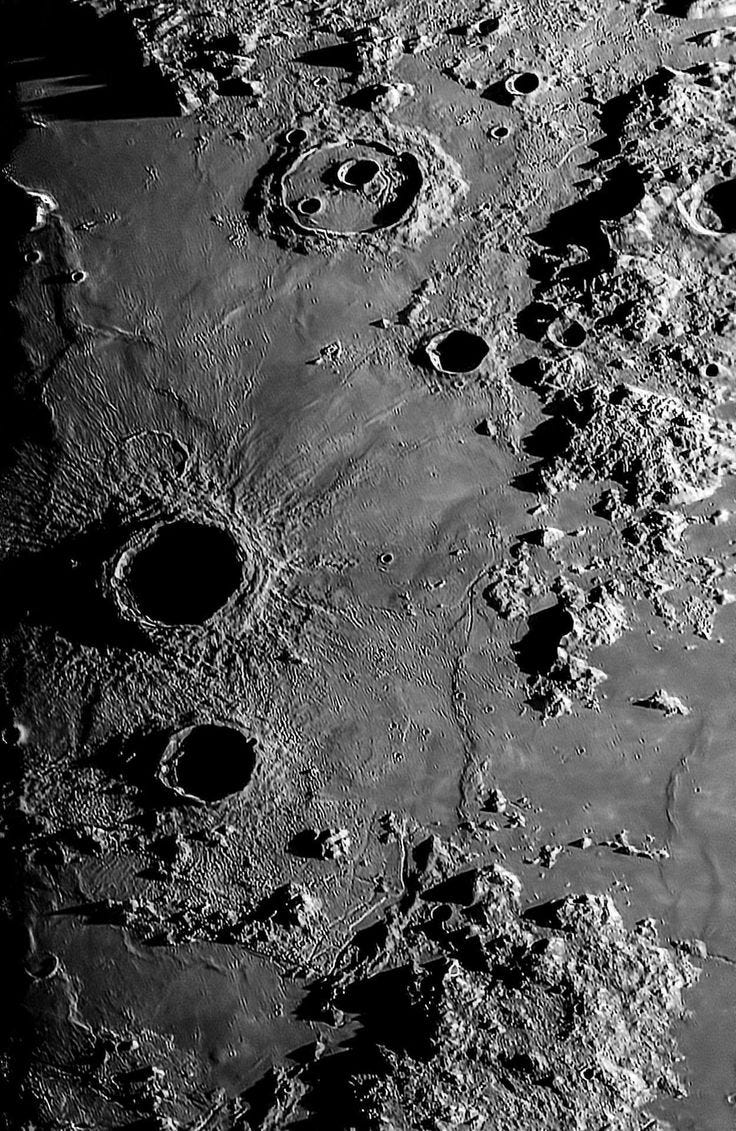
Footage of close up moon surface (Source: pinterest.com)
What Is About to Hit the Moon?
The object comes from a Falcon 9 mission that launched on January 15, 2025. The rocket carried Firefly Aerospace’s Blue Ghost lunar lander and ispace’s Hakuto-R lander toward the Moon.
After the rocket delivered its payload, the upper stage remained in a highly elongated Earth orbit. Over time, gravitational forces and solar radiation pressure changed its trajectory. Eventually, astronomers calculated that its path would intersect the Moon.
Scientists now track the object under the designation 2025–010D.
Why Will It Hit the Moon?
The rocket did not deliberately target the Moon.
Instead, its post-mission trajectory left it in an unusual orbit that stretched far beyond normal satellite altitudes. The object takes roughly 26 days to complete one orbit around Earth, while its most distant point can extend beyond the Moon’s average orbital distance.
Normally, the two orbital paths do not create a collision. However, orbital timing matters. On August 5, the rocket stage and the Moon should reach the relevant crossing point at nearly the same time.
This example shows how small gravitational effects can eventually produce dramatic results.
How Fast Will the Rocket Travel?
The Falcon 9 stage will hit the lunar surface at roughly 2.4 kilometers per second, or about 5,400 miles per hour.
Because the Moon lacks a substantial atmosphere, the rocket will not burn up before reaching the surface. Instead, the spacecraft hardware will strike the ground at high speed and release enormous kinetic energy.
Researchers estimate that the impact could create a crater several tens of meters across, although the exact size will depend on the object’s physical condition and impact angle. A recent study estimated a crater around 40 meters in diameter.
What Will Happen During the Impact?
The collision should generate a burst of energy that excavates lunar soil and rock.
Scientists expect the impact to produce an ejecta plume containing dust, lunar material, and fragments of the rocket. Observers may also detect an impact flash, although researchers cannot guarantee that Earth-based telescopes will see it clearly.
The observation team hopes to use the event to study how artificial objects interact with the lunar surface. Researchers can then compare the results with previous lunar impacts.
Why Scientists Actually Want to Watch It
Scientists rarely get an opportunity to predict an artificial lunar impact this precisely.
Researchers know the object’s origin, trajectory, approximate mass, and expected impact location. Therefore, they can prepare instruments before the collision.
The event could help researchers improve techniques for locating lunar impacts. It may also provide useful information about ejecta behavior and dust movement across the Moon’s surface.
In other words, an accidental crash can become a useful scientific experiment.
The Bigger Issue Is Lunar Space Debris
The impact also highlights a problem that could become more important in the future.
Humanity plans to send more spacecraft toward the Moon. Governments and private companies already compete to develop lunar landers, communications systems, navigation infrastructure, and future habitats.
As activity increases, more hardware will travel through cislunar space.
Earth has a natural disposal system for many low-orbit objects: atmospheric drag eventually pulls them down and destroys them. The Moon does not have that advantage. Objects that reach lunar space can remain there for long periods or eventually strike the surface.
Therefore, future missions may need better rules for tracking and disposing of abandoned hardware.
Could the Impact Damage Other Lunar Missions?
The immediate risk remains extremely low.
The predicted impact location sits far from current operational lunar spacecraft and planned landing zones. Natural meteoroid impacts also strike the Moon regularly and can release much more energy.
However, the situation could become more important as humans place more infrastructure on the lunar surface.
A future lunar base could depend on communications equipment, power systems, scientific instruments, and vehicles. At that point, uncontrolled debris would represent a more serious operational concern.
A Preview of a Busier Lunar Future
The upcoming impact offers an unusual glimpse into humanity’s expanding presence beyond Earth.
For decades, space debris discussions focused mainly on Earth’s orbit. Now, lunar exploration is creating another environment where abandoned hardware can accumulate.
That shift does not mean the Moon faces an immediate debris crisis. Instead, it gives engineers and policymakers a chance to think ahead.
As more missions launch, responsible trajectory planning and end-of-mission disposal could become increasingly important.
Final Thoughts
The human-made object hitting Moon event will not destroy the lunar surface or threaten Earth. Instead, it will create a small new crater and give scientists a rare chance to study an artificial impact.
More importantly, the event demonstrates how humanity’s activities can continue affecting space long after a mission ends.
As lunar exploration accelerates, engineers will need to think beyond successful launches and landings. They will also need to consider what happens to spacecraft after their missions end.
The Moon may become humanity’s next major destination. If that happens, managing what we leave behind will matter almost as much as getting there.
메타데이터
- post_id
- dcc23b829d07
- slug
- human-made-object-is-about-to-crash-into-the-moon-why-it-matters-dcc23b829d07
- url
- https://medium.com/@Zevalethea/human-made-object-is-about-to-crash-into-the-moon-why-it-matters-dcc23b829d07
- canonical_url
- https://medium.com/@Zevalethea/human-made-object-is-about-to-crash-into-the-moon-why-it-matters-dcc23b829d07
- author_url
- https://medium.com/@Zevalethea
- status
- ok
- fetched_at
- 2026-08-09 07:44:01