Beyond Expectations: Living from Innate Wellbeing
The Wisdom Behind Letting Go of Expectations
Beyond Expectations: Living from Innate Wellbeing
The Wisdom Behind Letting Go of Expectations
Photo by Luis Quintero on Unsplash
Dear Friend,
I wanted to share something beautiful I’ve been discovering about expectations and how they work in our lives.
Before diving into expectations specifically, let me give you some brief context. In the early 1970s, a Scottish welder named Sydney Banks had a profound spiritual insight. He saw three universal principles that explain how every human being experiences life: Mind (the universal intelligence and energy behind all life) Consciousness (our ability to be aware and experience) Thought (the creative power that shapes our individual realities).
Here’s what’s revolutionary about this. We create our experience of life from the inside-out, moment by moment, through the power of Thought brought to life by Consciousness.
We’re living in the feeling of our thinking, not the feeling of our circumstances.
The Nature of Expectations
From this perspective, expectations are thought-created projections about how life “should” unfold. They’re mental movies we play about the future, and when reality doesn’t match our script, we experience disappointment, frustration, or suffering.
Sydney Banks taught that all our psychological and emotional experience is created through Thought in the present moment. This includes our expectations. When we have an expectation, we’re essentially creating a very specific thought-form about what needs to happen for us to feel okay, happy, or successful.
Here’s what I found particularly helpful it the idea that expectations aren’t the problem in themselves. The suffering comes from not recognizing them as thoughts — as temporary, self-created mental constructs — and instead treating them as requirements for our wellbeing.
Key Insights
Expectations Arise from Misunderstanding Where Our Experience Comes From
When we don’t understand that we’re creating our experience through Thought, we innocently believe our feelings come from whether our expectations are met or not. We think we need certain outcomes to feel secure, happy, or at peace.
But here’s something liberating: Our feelings don’t actually come from whether expectations are met. They come from our thinking about whether expectations are met. This is a crucial distinction.
Expectations Are Thought-Forms, Not Reality
Sydney Banks said, “Thought is not reality, yet it is through Thought that our realities are created.” When we have an expectation, we’re creating a thought about how things should be. That thought feels real to us in the moment, but it’s still just thought — temporary, fluid, and constantly changing.
The wisdom teachers in this understanding point out that thoughts are like clouds passing through the sky of consciousness. They come and go. When we grip tightly to an expectation (a particular thought-form), we suffer when it doesn’t materialize because we’ve made our peace of mind contingent on that specific outcome.
The Illusion of Control
We’re only in charge of how and what we think about ourselves and our situations — not external circumstances or other people’s choices. Expectations often carry a hidden assumption: That if we just plan enough, worry enough, or want something enough, we can control outcomes.
But life is inherently unpredictable. All forms in life are constantly changing. Expectations try to freeze-frame a moving picture, to make permanent what is naturally impermanent. When we see this, we naturally hold our expectations more lightly.
The Freedom Beyond Expectations
The beautiful insight that emerges from what I’m sharing is this: Your innate wellbeing doesn’t depend on any particular outcome. As Sydney Banks taught, mental health is our natural state — what’s already within us. Peace, wisdom, and contentment are not achievements we reach when expectations are met. They’re what we experience when our minds quiet down and we’re not caught up in thought-created dramas about how things should be.
When we understand the inside-out nature of experience, we realize we don’t need to control the world around us to find peace. Peace is already here, waiting to emerge when we let go of the thoughts that cloud our clarity.
What This Doesn’t Mean
This understanding is sometimes misunderstood, so let me be clear about what it doesn’t mean:
- It doesn’t mean you shouldn’t have goals, preferences, or desires
- It doesn’t mean you shouldn’t plan or take action toward what you want
- It doesn’t mean you should be passive or not care about outcomes
- It doesn’t mean everything will magically work out the way you want
What it does mean is that you can pursue what you want, set goals, and take action while understanding that your peace of mind doesn’t actually depend on getting those specific outcomes. You can dance with life more freely when you’re not held hostage by rigid expectations.
The Gift of This Understanding
When you begin to see expectations for what they are — thought-forms, not requirements for your wellbeing — something remarkable happens:
- You become more resilient. Disappointments still happen, but they don’t knock you down as hard or for as long because you see them as thoughts passing through, not as evidence that something has gone wrong with your life.
- You become more present. When you’re not constantly comparing reality to your expectations, you can actually experience what’s happening now, which often contains gifts you couldn’t have expected.
- You become more creative. Your innate wisdom — what Sydney Banks called the deeper Mind — can bring solutions and possibilities you never could have thought up from your personal thinking alone. But you can only hear this wisdom when your mind is relatively quiet, not busy insisting things should be different.
- You experience more joy. As one practitioner beautifully put it, approaching life “with gratitude and humility and no expectations” opens the door to unexpected delight. When you’re not filtering every experience through the lens of “is this what I expected?” you can appreciate what is.
Living With This Understanding
The practical application of this understanding isn’t about trying to eliminate expectations or change your thinking. That would just be more thinking!
Instead, it’s about recognizing that expectations are thought, and as such, they’re temporary and don’t have any power over you except what you give them through taking them seriously in the moment.
This is described as seeing the “psychological innocence” in ourselves and others. We create expectations innocently, not knowing we’re doing it or not recognizing them as thoughts. But once we see how the system works — that all experience is created through Thought in the moment — we naturally hold everything more lightly.
So, when we try really hard to make things happen according to our expectations, we often wind up with less of the natural feeling of wellbeing and creativity that inspired us in the first place. But when we rest in quiet contentment and presence, understanding the principles behind our experience, life tends to flow more easily and our natural creative power emerges.
An Invitation
I’m not suggesting you try to change anything about your expectations or your thinking. The great thing about this understanding is that it’s not a technique or a practice. It’s simply seeing something true about how human experience works.
When you see that expectations are thought-forms rather than reality, and that your wellbeing isn’t actually dependent on them being met, that insight naturally changes how you move through life. You might still have preferences and pursue goals with passion, but you’ll do so with more lightness, more resilience, and more access to your natural wisdom.
As Sydney Banks said, “Thought is a gift we were given to have the freedom to walk through life and see what we want to see.”
Expectations are one way we use that gift. And understanding that they’re just thought — temporary, self-created, not reality itself — is the key to freedom.
Experiments to Explore This Understanding
Pick one or two of these that resonate with you, and see what happens.
Experiment 1: The Expectation Observer
For one day, simply notice when you’re having an expectation. You don’t need to change it or get rid of it — just notice it. You might notice expectations about:
- How your morning should go
- How people should behave
- How you should feel
- How a meeting or conversation should unfold
- What should happen next
Just observe: “Oh, I’m having an expectation that [X] should happen.” Notice the feeling that comes with it. Notice what happens when the expectation is met versus when it’s not.
What to notice: Does recognizing an expectation as a thought change anything about your experience of it?
Experiment 2: The Disappointment Investigation
Next time you feel disappointed, trace it back to the expectation that wasn’t met. Ask yourself:
- What was I expecting to happen?
- Where did that expectation come from? (Often we inherit them from culture, family, or past experiences)
- What if I held that expectation more lightly — not as a requirement, but as a preference?
What to notice: Is the disappointment in the circumstances themselves, or in your thinking about the circumstances? Can you feel the difference?
Experiment 3: The Unexpected Gift
For one week, deliberately look for things that turned out differently (or even better) than you expected. Notice moments when:
- Something you didn’t expect happened and it was wonderful
- Something you worried about didn’t happen at all
- Something “bad” happened that led to something good
- You were completely surprised by life in a positive way
Keep a simple mental log of these moments.
What to notice: How often does life deliver things you couldn’t have expected? What happens to your relationship with expectations when you notice this?
Experiment 4: The No-Plan Plan
Pick a free afternoon or day when you have no obligations. Instead of planning it out or having expectations about what you should do or how you should feel, simply be present to what emerges. Trust your wisdom in the moment to guide you.
This doesn’t mean being passive — follow your impulses, your energy, your intuition. Just do it without a predetermined plan or expectation of how the day should unfold.
What to notice: What’s it like to move through time without expectations? Does your natural wisdom guide you? How do you feel at the end of the day?
Experiment 5: The Conversation Without Agenda
Have a conversation with someone important to you — a friend, family member, or partner — with absolutely no expectations or agenda. Don’t expect them to say certain things, respond a certain way, or make you feel a certain way. Just be present with genuine curiosity about whatever wants to emerge in the conversation.
What to notice: How does it feel to engage with someone when you’re not holding expectations about how they should be? What becomes possible in the conversation?
Experiment 6: The Expectation Inventory
Take 15 minutes to write down all the expectations you’re carrying right now about:
- Your work or career
- Your relationships
- Your personal growth
- Your health or body
- Your finances
- How you “should” be feeling or showing up in life
Don’t judge them — just get them recorded. Then read through the list and notice: these are all thoughts. Temporary. Self-created. Not requirements for your wellbeing.
What to notice: Does seeing them all written out change your relationship with them? Which ones feel heavy? Which ones could you hold more lightly?
Experiment 7: The Present Moment Check-In
Several times throughout your day, pause and ask yourself: “What am I expecting right now?” Then ask: “What if I let go of that expectation and just experienced this moment as it is?”
You might be expecting:
- To feel more energetic
- For your to-do list to be shorter
- For people to act differently
- For yourself to be further along
What to notice: What’s here when you’re not busy expecting something else? What does this moment offer when you’re not comparing it to how it “should” be?
A Final Thought
This understanding isn’t about becoming perfect or achieving some ideal state where you never have expectations. It’s about seeing the true nature of your experience and recognizing that the peace, wisdom, and wellbeing you seek are already within you — not at the end of some journey where all your expectations are met.
“All we are is peace, love, and wisdom, and the power to create the illusion that we are not.”
Expectations are part of that illusion. And seeing them for what they are — just thought — is the beginning of freedom.
With love and clarity, Your Thought Partner Paul
What are your thoughts on this? I’m curious. Share in the comments.
Thanks for reading! If you found this useful:
Share it or Save it for a time when you need a reminder.
Reread it. Let it settle. Because understanding this isn’t something you “get” once and you’re done.
- *Follow me for more about quiet shifts that transform mental well-being — without force, effort, or fixing.*
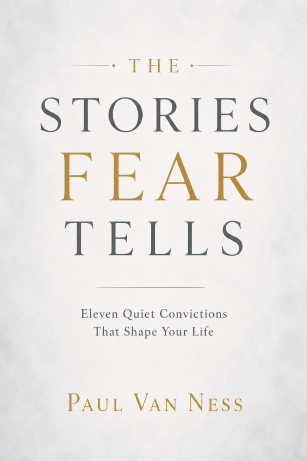
- 📖Check out my book — The Stories Fear Tells — on Amazon👍
- *Follow Less Stress More Success for more on how to find ease, creativity, and new possibility in any moment.*
- And schedule a time to chat about these ideas and feeling happier (no cost)
메타데이터
- post_id
- dcc66d7e7f7c
- slug
- beyond-expectations-living-from-innate-wellbeing-dcc66d7e7f7c
- url
- https://medium.com/less-stress-more-success/beyond-expectations-living-from-innate-wellbeing-dcc66d7e7f7c
- canonical_url
- https://medium.com/less-stress-more-success/beyond-expectations-living-from-innate-wellbeing-dcc66d7e7f7c
- author_url
- https://medium.com/@paulvanness
- status
- ok
- fetched_at
- 2026-08-17 04:18:16